Fit first, shape second: a body-neutral dressing guide
In short
Dress for the body you have, not a fruit. Shoulder, rise, waist, length, and fabric — the fit fixes that make clothes feel like yours.
- Buy for the shoulder first: on a jacket or structured top the seam should sit at the edge of your shoulder, because shoulder alterations are the most expensive and the hardest to hide.
- Buy for the hip or the shoulder, whichever is the largest point, then tailor the waist: a twenty-dollar alteration can save a hundred-dollar garment that gapes or pulls.
- Test the rise by sitting and bending: a waistband that digs when you sit is a fit problem, not a body problem, so try one rise up or down before rejecting the trousers.
By Cici
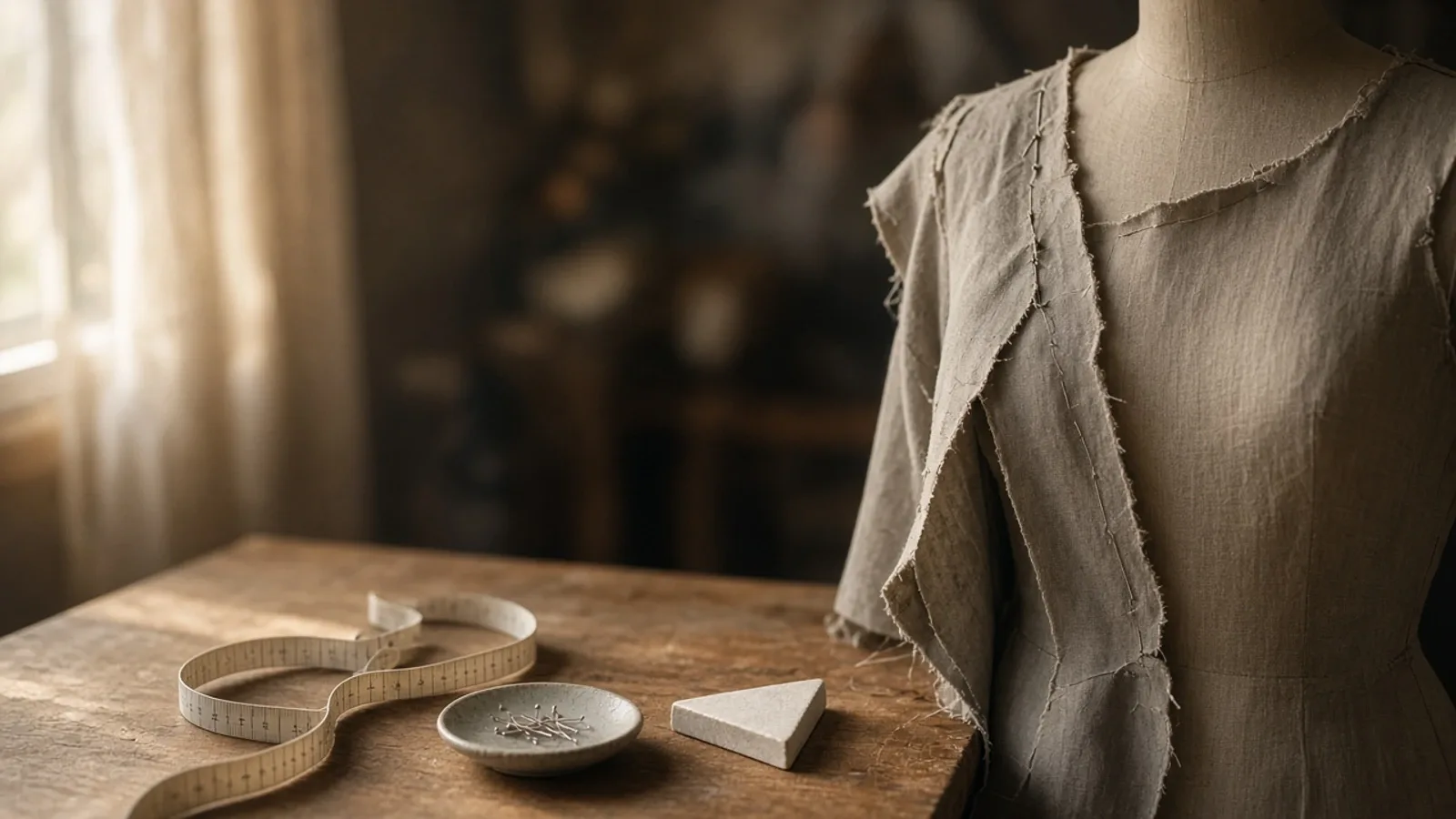
The old “dress for your body shape” advice had a narrow goal: make the body look like an hourglass, or at least less like itself. Apple, pear, rectangle, inverted triangle — the categories were a disguise manual.
This guide starts somewhere else. Fit first, shape second. Dress the body you have, in clothes that fit, and choose the shapes you actually like. The right fit is not a moral achievement; it is a practical one, and it is easier to find.
Why shape advice fails
Shape categories are a crude approximation. Two people with the same “shape” can have different shoulder widths, torso lengths, hip placement, and comfort needs. The category tells you almost nothing about whether a specific garment will fit.
Fit is more specific:
- Does the shoulder sit at your shoulder?
- Does the rise sit where you bend comfortably?
- Does the waistband gap or dig?
- Is the length right for your frame?
- Does the fabric have enough give or structure?
Those questions are answerable in a fitting room. “Am I a pear?” is not.
The five fit points
| Fit point | What to check | If it fails |
|---|---|---|
| Shoulder | The seam sits at the edge of your shoulder | Buy for the shoulder; this alteration is expensive |
| Rise | The waistband sits where you bend comfortably | Try one rise up or down before rejecting the trousers |
| Waist | The waistband gapes or digs | Buy for the hip and take in the waist |
| Length | Hem, sleeve, and torso length change the proportion | Shorten the hem or adjust the sleeve |
| Fabric | Structure holds a shape; drape follows the body | Choose a different cloth, because no size fixes a cling or a scratch |
1. Shoulder
On a jacket, blazer, or structured top, the shoulder seam should sit at the edge of your shoulder. If it hangs past, the garment is too big; if it pulls, it is too small. Shoulder alterations are expensive, so buy for the shoulder.
2. Rise
The waistband should sit where you bend comfortably. A rise that digs when you sit is a fit problem, not a body problem. Try the next rise up or down before deciding the trousers are wrong.
3. Waist
A garment that fits the hip and gapes at the waist can be tailored. Buy for the hip, then take in the waist. If the waist fits but the hip pulls, size up and tailor.
4. Length
Hem, sleeve, and torso length change the proportion. A cropped jacket with a high-rise bottom lengthens the leg; a long jacket with a mid-rise bottom can cut it. The three-jacket wardrobe covers the layer.
5. Fabric
Structure holds a shape; drape follows the body. A stiff fabric can stand away from the body; a fluid fabric reveals it. Neither is better; they do different jobs.
The two-minute changing-room test
Say you are in a changing room on a Tuesday afternoon, fluorescent light overhead, three pairs of trousers on the hook and a queue outside. The pair that fits your hip gapes at the back by a hand’s width; the pair that closes at the waist digs in when you sit on the bench. Neither is a verdict on your body. Check the shoulder seam in the mirror, sit down, bend forward, and read the rise number on the tag before you hang the pair back up. That small, familiar frustration is a fit problem with a name and a number. Two pairs that fail the test tell you more than any shape quiz, and the numbers give you something to ask for by name next time. Keep the pair that passes, even if the colour is not the one you came in for, and walk out relieved rather than resigned.
Emphasis without disguise
You do not have to “hide” anything. You can choose what you want to show.
- Waist: a belt, a tucked top, a high rise.
- Legs: a shorter hem, a straight leg, a boot.
- Upper body: a open neckline, a structured shoulder, a scarf.
- Arms: a sleeveless cut, a cap sleeve, a rolled cuff.
The question is not “what does this hide?” It is “what do I want to see when I look in the mirror?”
The four fit fixes
- Tailor. Take in the waist, shorten the hem, adjust the sleeve. A $20 alteration can save a $100 garment.
- Size for the largest point. Buy for the hip or shoulder, then tailor the rest.
- Change the underlayer. A different bra or slip can change the fit of a garment without a sewing machine.
- Choose the fabric. If a fabric clings or scratches, no size will fix it.
The body-change guide covers the reset when your body has changed.
A body-neutral formula
- Top: a neckline you like, a shoulder that fits, a fabric that feels good.
- Bottom: a rise that sits comfortably, a leg line you like, a length that works with your shoes.
- Third piece: a layer or accessory that finishes the outfit.
- Shoe: one you can walk in.
The outfit formula guide is the structure. The capsule guide is the palette.
Bodies change
Bodies change with age, pregnancy, illness, medication, and strength training. A wardrobe that only works for one version of your body is a wardrobe that will fail.
Keep the pieces that fit now. Tailor the ones worth keeping. Release the ones that require a different body. The fashion grief guide covers the emotional side.
Who this is not for
If you love the shape categories and they help you shop, use them. This is not a ban on the language; it is a correction of the priority.
If you have a disability or a medical condition that affects how clothes fit, an adaptive clothing specialist or a tailor with that experience is worth finding. And if you already have a wardrobe that fits, you do not need a system.
Method and limits
This is a fit framework derived from the CiciTrends wardrobe and color principles. The claim that clothing can affect how you feel is supported by enclothed cognition research; the specific fit points are editorial guidance, not a medical assessment.
Sources
- Adam H, Galinsky AD. Enclothed cognition. Journal of Experimental Social Psychology, 2012.
Direct answers
Frequently asked questions
Should I dress for my body shape?
You can use shape language as a shorthand, but fit matters more. Shoulder, rise, waist, length, and fabric determine whether a garment works. Start there, then choose the shapes you like.
What is the most important fit point?
The shoulder. On a jacket or top, the shoulder seam should sit at the edge of your shoulder. It is the hardest alteration and the fastest way to make a garment look borrowed.
How do I dress if I do not want to emphasize anything?
Choose a uniform silhouette with a clean line, a fabric with some structure, and a palette that works together. You do not need to hide or highlight; you can simply choose a shape you like.
What if my body changes?
Re-measure, keep the pieces that fit now, and tailor the ones worth keeping. The goal is a wardrobe for the body you have today, not a future body.
Filed under
About the author

The editorial voice of CiciTrends. Color, fit, and the small decisions that make a wardrobe work. Written by an AI-assisted desk under human direction.
Reporting, sourcing and AI disclosure:/editorial-standards/
Keep reading
Related stories
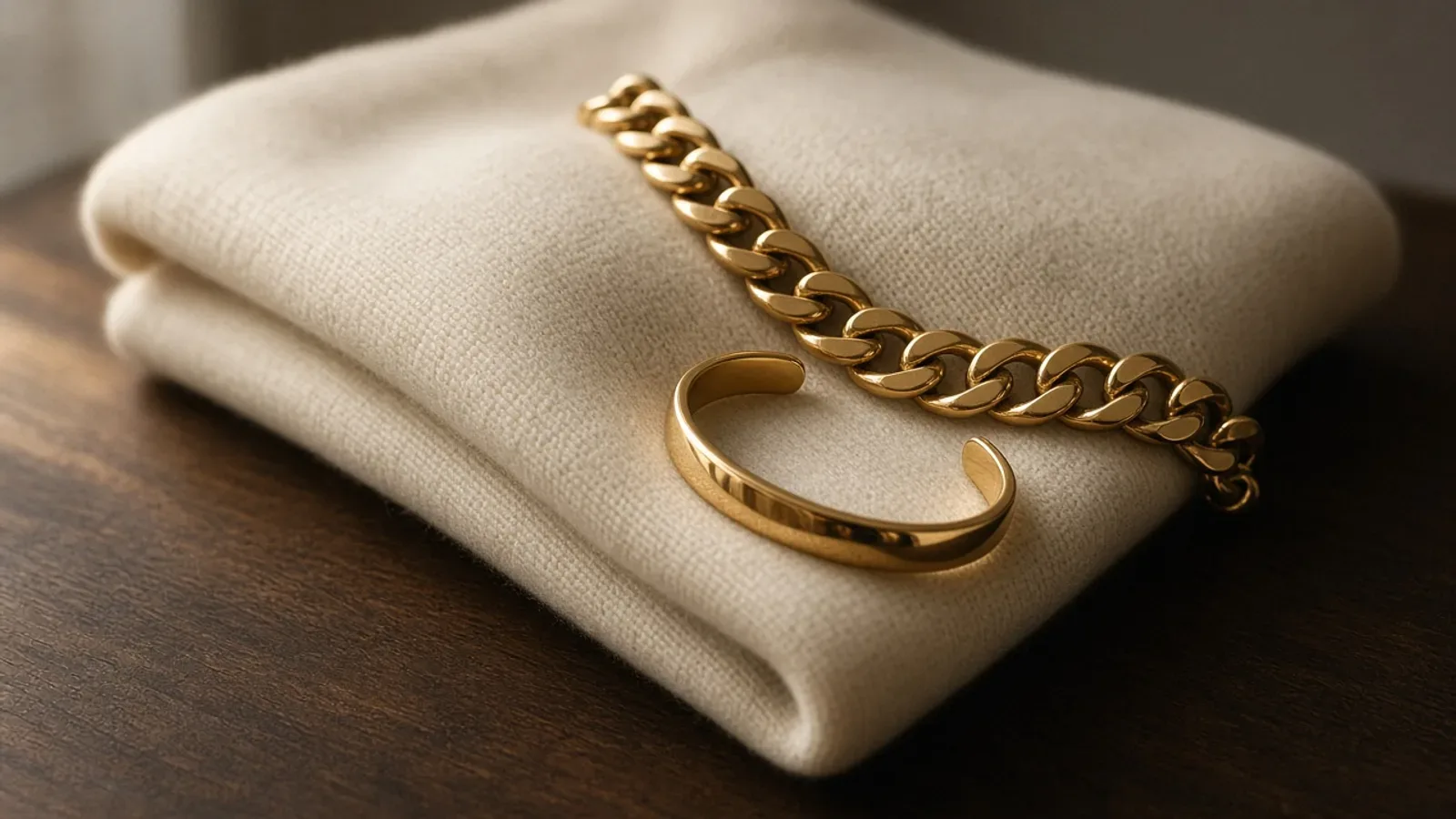
Bold gold: the point where the undertone rule stops applying
Once gold jewelry is large, architectural, and worn over fabric, contrast and scale matter more than undertone matching. How to style bold gold off-undertone.
Nov 5, 2026
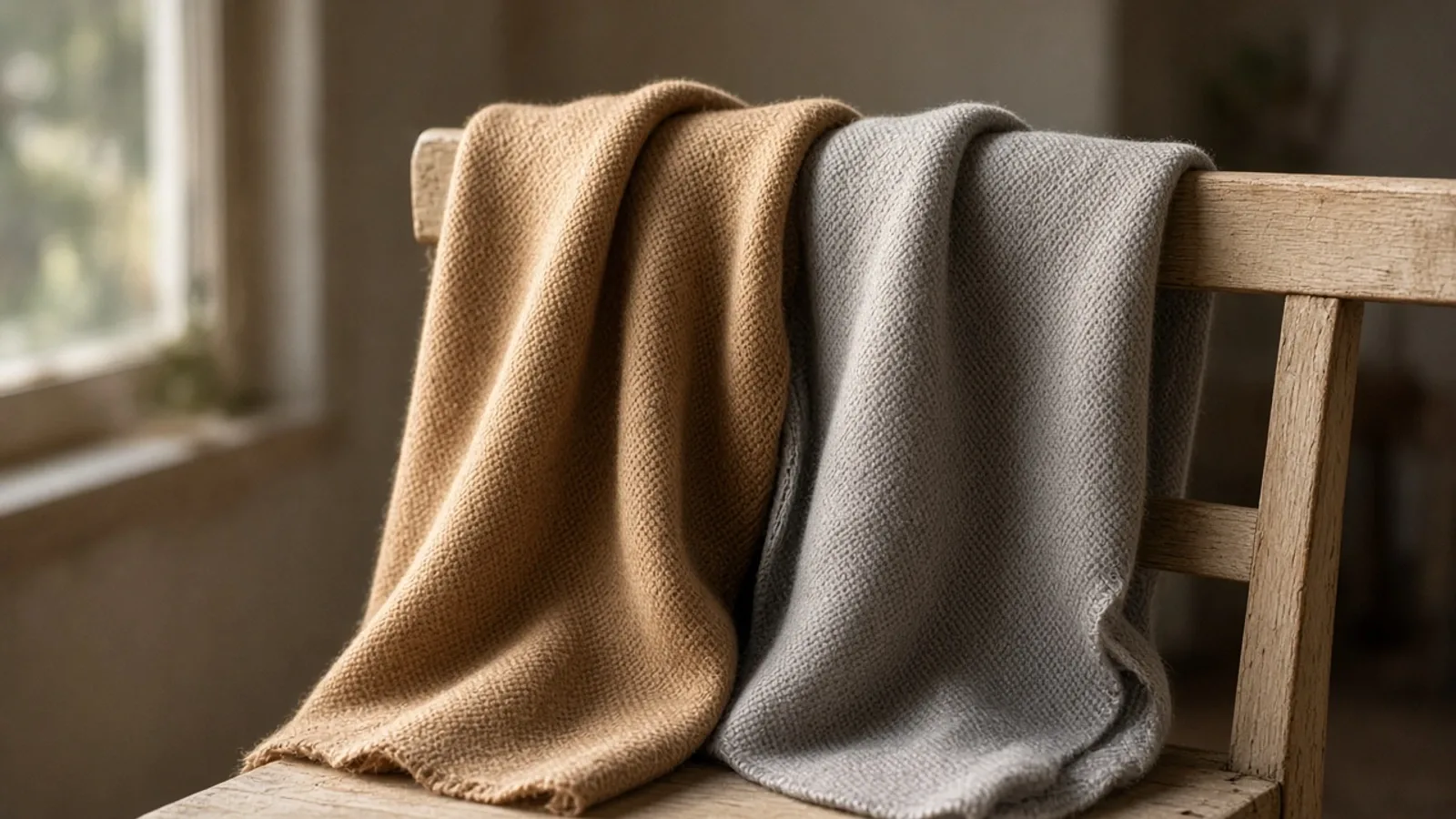
The colors that drain you (and the ones that don't)
A color can make you look tired without changing your face. The contrast and undertone rules behind it, and how to test a shade in daylight.
Jan 5, 2026
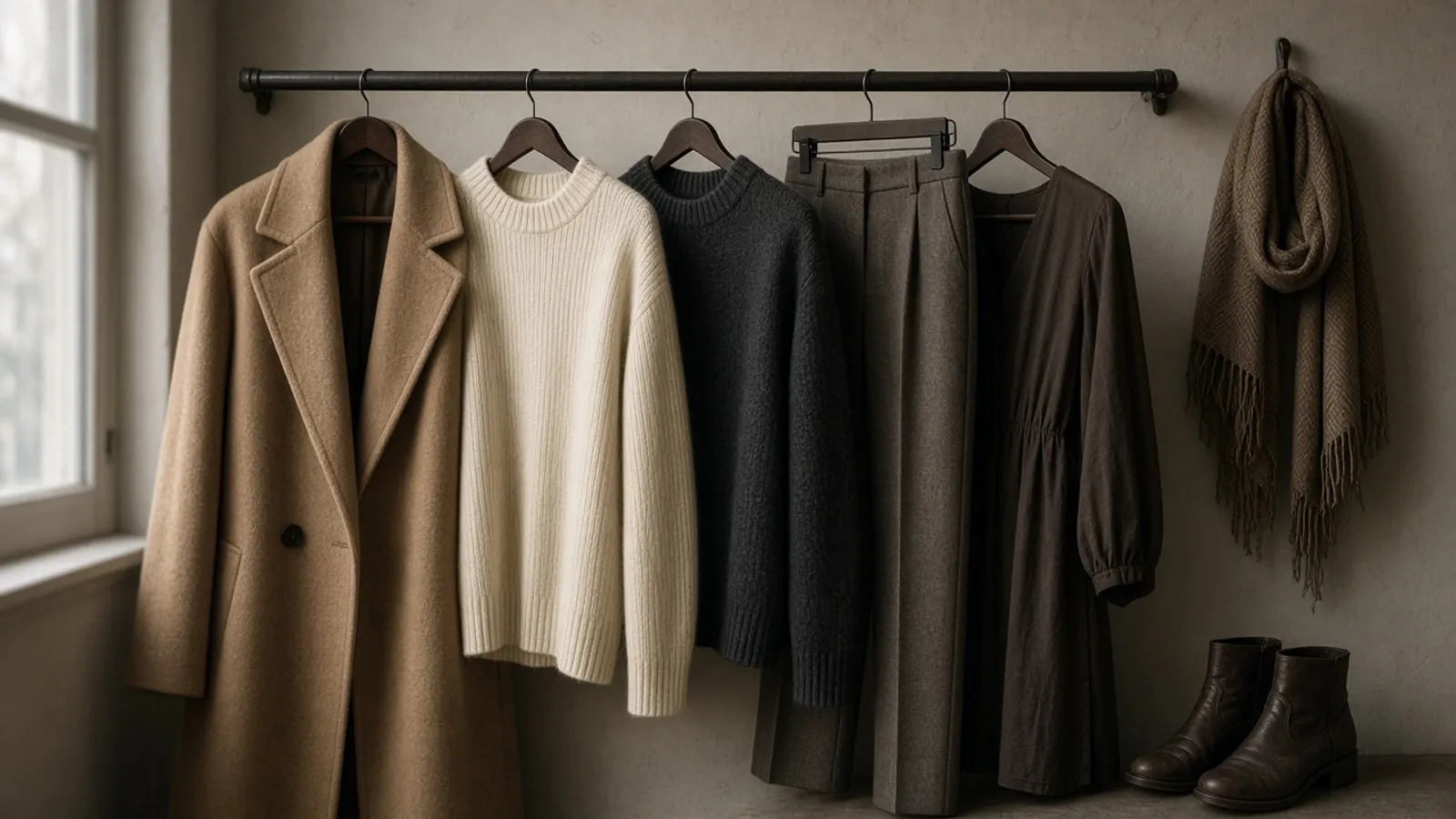
The winter capsule wardrobe
Ten pieces, one winter, and the math that makes them work: coat, knits, bottoms, boots, and the formulas that turn them into a week.
Nov 5, 2026