The three-jacket wardrobe
In short
Three jackets, three jobs, one palette: the blazer, the trench, and the cropped jacket, with the proportions and color rules that make them work together.
- A blazer works when the shoulder seam sits at the edge of your shoulder, the hem lands at the hip or just below, and the waist has only slight suppression.
- A trench should reach mid-calf or just below the knee in cotton gabardine, and it has to fit over your blazer, otherwise it is a separate purchase rather than a system.
- A cropped jacket ends at or just above the natural waist; if it reaches the hip it is a short jacket and it will change the proportion you bought it for.
By Cici
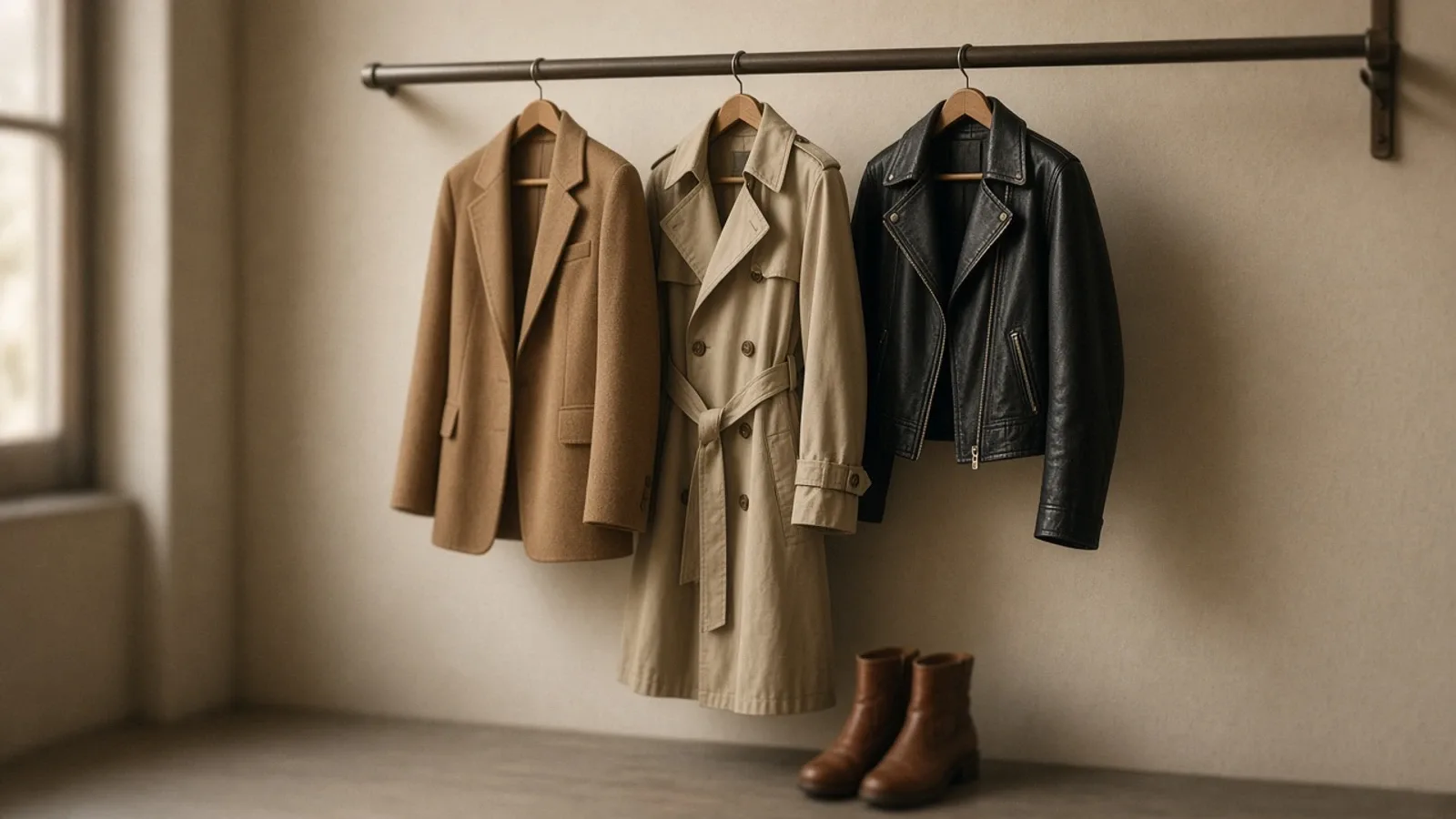
Most wardrobes do not have a jacket shortage. They have a job description problem. There is a coat for the cold, a blazer for a meeting, a cropped jacket that seemed like a good idea, and none of them quite work together.
The fix is to stop buying jackets as moods and start buying them as jobs.
| Jacket | Job it does | Rule that makes it work |
|---|---|---|
| Blazer | Structure and authority | Shoulder seam at the edge of your shoulder, hem at the hip or just below |
| Trench | Rain, wind and travel | Mid-calf or just below the knee, cotton gabardine, room to layer over the blazer |
| Cropped jacket | Finish and proportion | Ends at or just above the natural waist, never at the hip |
| Technical shell | Months of cold or rain | A tool for the climate, added to the trio rather than a replacement for it |
Three cover almost everything: a blazer for structure, a trench for weather, and a cropped jacket for proportion. The palette is what makes them interchangeable.
The blazer: structure and authority
The blazer is the piece that makes an outfit look decided. It turns a plain tee and trousers into something you can wear to a meeting, and it gives a dress a clean line.
Fit is the whole game:
- Shoulder: the seam should sit at the edge of your shoulder, not past it. A shoulder that is too wide swallows the frame; one that is too narrow pulls across the back.
- Length: at the hip or just below. A cropped blazer is a different garment with a different job; do not ask one jacket to do both.
- Waist: a slight suppression at the waist is enough. A boxy blazer can look deliberate, but it needs a narrower bottom to balance it.
- Fabric: mid-weight wool or a wool blend holds the shape. A soft knit blazer is comfortable, but it reads casual.
For color, use the neutral roles guide. Cool seasons do well with charcoal or navy; warm seasons with camel, olive, or warm taupe. Black is a winter neutral, not a universal one. If you are a spring or summer, a charcoal or navy blazer will usually serve you better than black.
The trench: weather defense with elegance
The trench is the in-between jacket: rain, wind, travel, and the walk from the car to the door. It should layer over a blazer without pulling, and it should look intentional over a dress.
- Shape: a classic double-breasted cut with a belt. A removable liner extends the temperature range.
- Length: mid-calf or just below the knee. A shorter trench is a more casual piece; a longer one can overwhelm a petite frame.
- Fabric: cotton gabardine is traditional. It sheds light rain and holds a crease.
- Details: a storm flap and epaulettes are traditional, not mandatory. Keep the hardware simple.
The trench covers the largest area of the outfit, so its color does the most work. Warm seasons can wear camel, stone, or warm khaki. Cool seasons should look at navy, charcoal, or a cool gray. A bright fashion trench is a statement piece, not a workhorse; buy it only if you already own the neutral.
The cropped jacket: finish and proportion
The cropped jacket ends an outfit. It adds structure to a fluid dress, balances a wide-leg trouser, and gives a clear waistline without a belt.
- Length: at or just above the natural waist. If it hits the hip, it is a short jacket, not a cropped one, and it will change the proportion.
- Shape: a boxy cut balances long legs; a more fitted cut suits a shorter torso. The shoulder should still sit on your shoulder.
- Fabric: denim, leather, suede, or a textured bouclé. The fabric decides the formality.
- Color: the place to use your accent. Cool seasons can wear black, charcoal, or navy; warm seasons can wear cognac, rust, or olive.
This is the piece nearest the face in many outfits, so the temperature has to be right. The colors that age you explains why the wrong undertone near the face costs more than a slightly wrong hem.
The color rules that make the trio work
The three jackets do not need to be the same color. They need to share a palette.
- Pick two neutrals and one accent. A charcoal blazer, stone trench, and rust cropped jacket for an autumn. A navy blazer, gray trench, and black cropped jacket for a winter.
- Keep the metal consistent. If your jewelry is silver, the zips and buttons should be silver or gunmetal. If gold, keep the hardware warm.
- Do not buy the same jacket in three colors. One good neutral per job beats three shades that only work with one outfit.
- Check the layer together. A trench that fits over a blazer is a system; one that does not is a separate purchase.
The capsule wardrobe guide covers how these pieces fit into a wider rotation, and the denim washes guide handles the bottom half. The three-bag rotation uses the same category logic for bags.
How to rotate, repair, and replace
- Rotate by weather, not by mood. Blazer for indoor days, trench for wet or transitional days, cropped jacket for dry weekends.
- Try the layer in the shop. Take the blazer with you when you buy the trench. If the trench does not fit over it, it will not work in winter.
- Repair before replacing. A shoulder seam, a lining, or a button can be fixed. A jacket that fits is worth maintaining.
- Replace when the shoulder goes. Shoulder fit is the hardest thing to alter. If the jacket no longer sits on your shoulder, it is done.
- Run the math. The 30-wear rule applies to outerwear too: if you will not wear it thirty times, it is a trend purchase, not a wardrobe purchase.
Fewer, better, worn longer is also the environmental argument. The Ellen MacArthur Foundation’s textiles work documents why keeping garments in use is one of the most effective interventions available to a consumer.
Who this is not for
If you live in a climate that requires a technical shell or a heavy down coat for months of the year, three fashion jackets are not your outerwear system. Add the technical layer; it is a tool, not a style failure.
If you love statement outerwear and rotate it deliberately, keep your collection. The three-jacket system is for a wardrobe that wants fewer decisions, not for someone who enjoys the decision.
And if you already own three jackets that cover work, weather, and weekend, you are done. Do not rebuild a system that already works.
Method and limits. This is a wardrobe system derived from the CiciTrends Color System and the capsule logic used across the style guides. It assumes a temperate climate and a mix of work, weekend, and occasional evening use. It is a template, not a rule; adjust the pieces to your climate, dress code, and palette.
Direct answers
Frequently asked questions
What three jackets should every wardrobe have?
One blazer for structure, one trench for weather and one cropped jacket for proportion. Between them they cover meetings, wet or transitional days and dry weekends, and they only work as a set if they share a palette and a metal.
How long should a trench coat be?
Mid-calf or just below the knee is the classic length and it layers over a blazer without pulling. A shorter trench reads more casual, and a longer one can overwhelm a petite frame, so check the hem against your height before you buy.
Should all three jackets be the same colour?
No, they should share a palette rather than a shade. Pick two neutrals and one accent: a charcoal blazer, stone trench and rust cropped jacket for an autumn, or navy, grey and black for a winter. Keep the hardware consistent with your jewellery.
Can I wear a black blazer if I am not a winter?
You can, but charcoal or navy will usually serve you better, because black is a winter neutral rather than a universal one. If you are a spring or summer, the same jacket in charcoal keeps the authority and softens the line next to your face.
About the author

The editorial voice of CiciTrends. Color, fit, and the small decisions that make a wardrobe work. Written by an AI-assisted desk under human direction.
Reporting, sourcing and AI disclosure:/editorial-standards/
Keep reading
Related stories
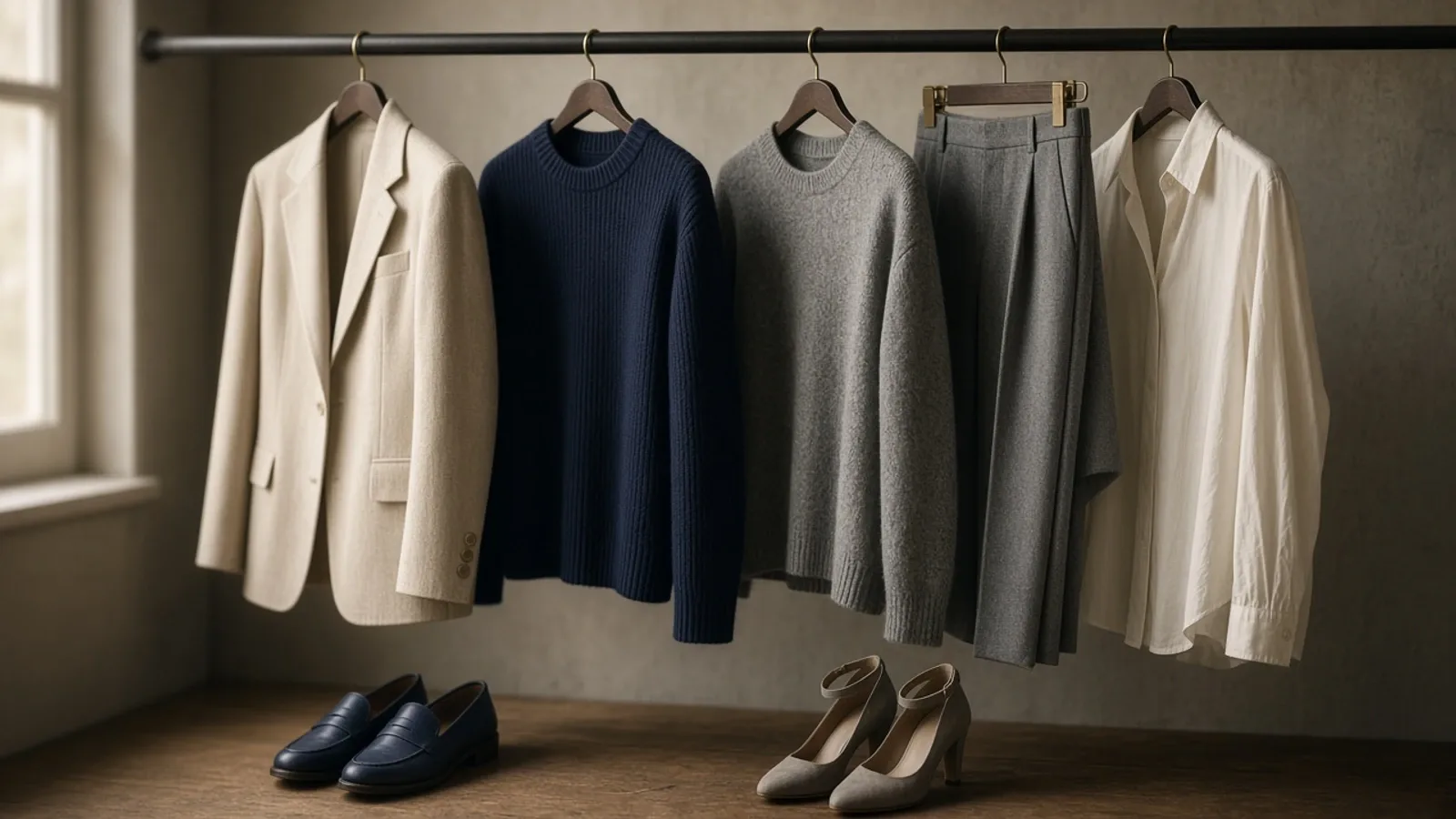
The five-piece workweek capsule
Five pieces, ten outfits, one workweek. A capsule that works because the colors do, not because you own more. Includes the matrix and what to spend on.
Nov 4, 2026
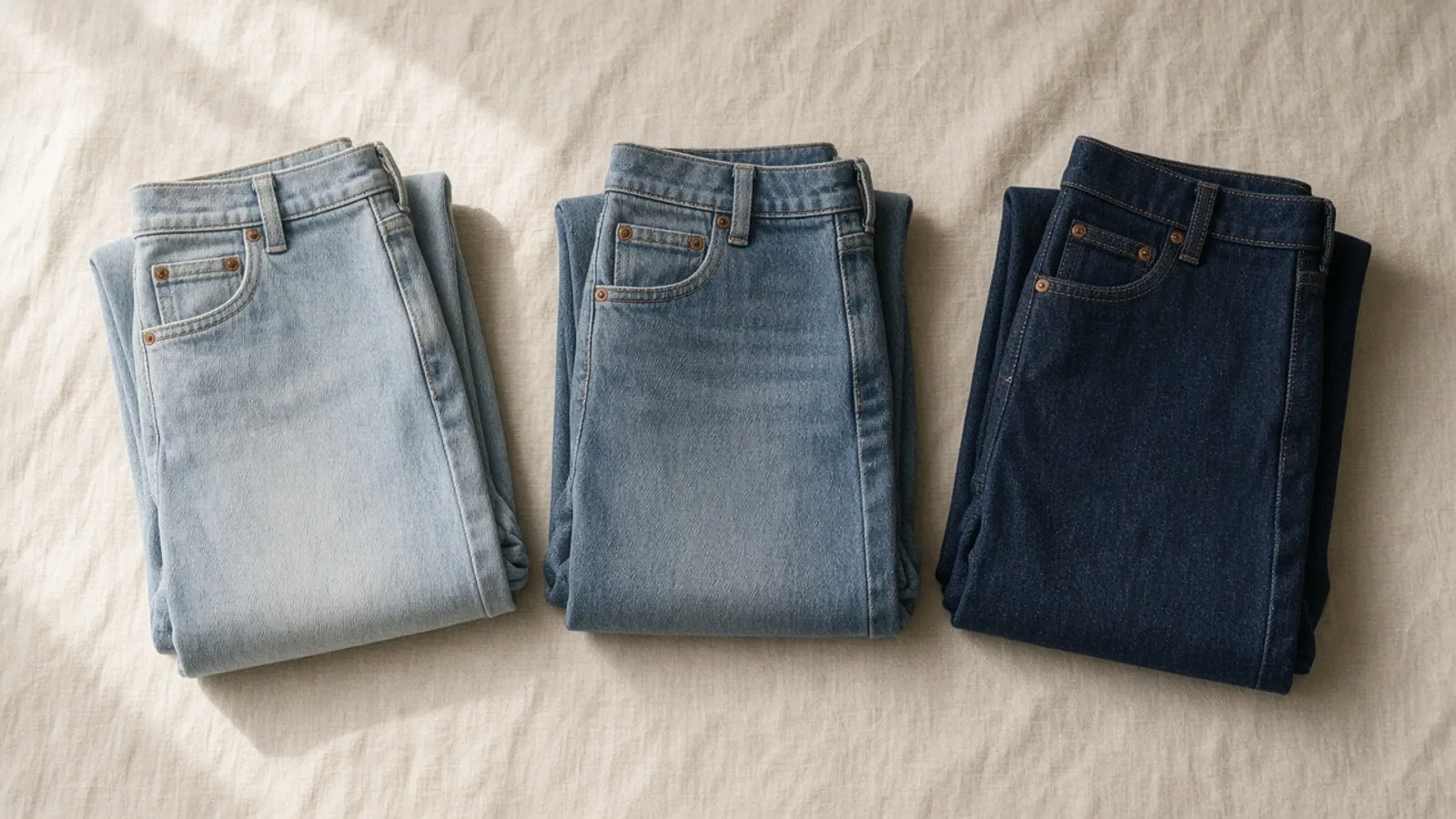
The three denim washes your season needs
Denim is a color decision before it is a fit decision. Here are the three washes worth owning for each of the 12 color seasons, and the black pair most women should skip.
Nov 4, 2026
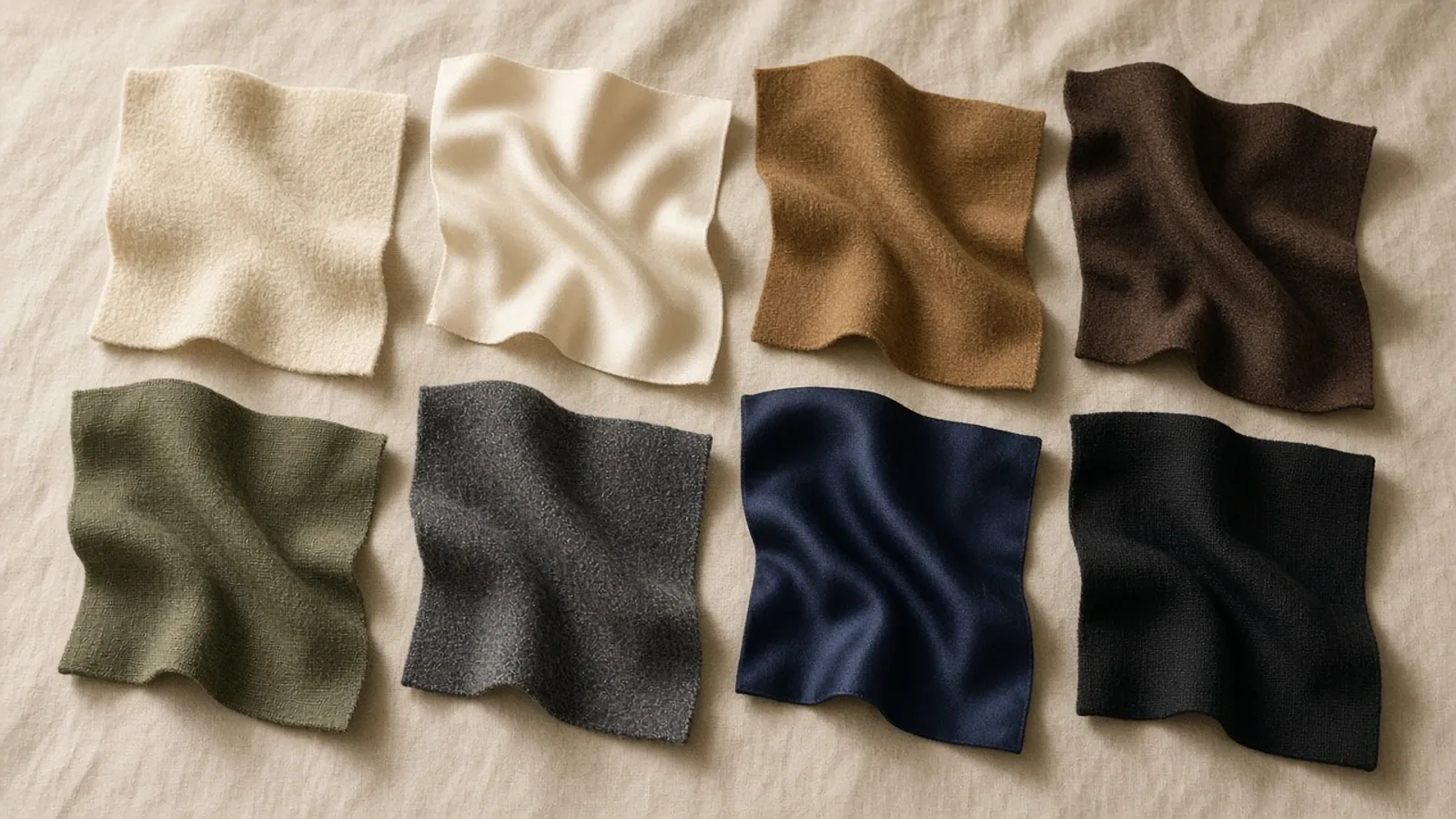
The 8 neutrals every palette needs
All 60 neutrals in the Color System were counted. Only two colors repeat in five seasons. The eight neutral roles worth buying, and the black almost nobody should own.
Nov 4, 2026