The outfit formula: three templates that end decision fatigue
In short
Stop solving the same outfit puzzle every morning. Three repeatable formulas, how to adapt them, and why variety is overrated on a Tuesday.
- Three formulas cover most weeks: a structured top with a relaxed bottom, a monochrome base with one accent, and a fitted top and bottom under one oversized layer.
- Add a fourth formula only for a category your week actually has, such as a dinner or travel outfit, never for a life you are not living yet.
- In the fitted plus oversized formula, the layer must be the only oversized piece: two loose pieces lose the shape, and a layer that is too long shortens the leg.
By Cici
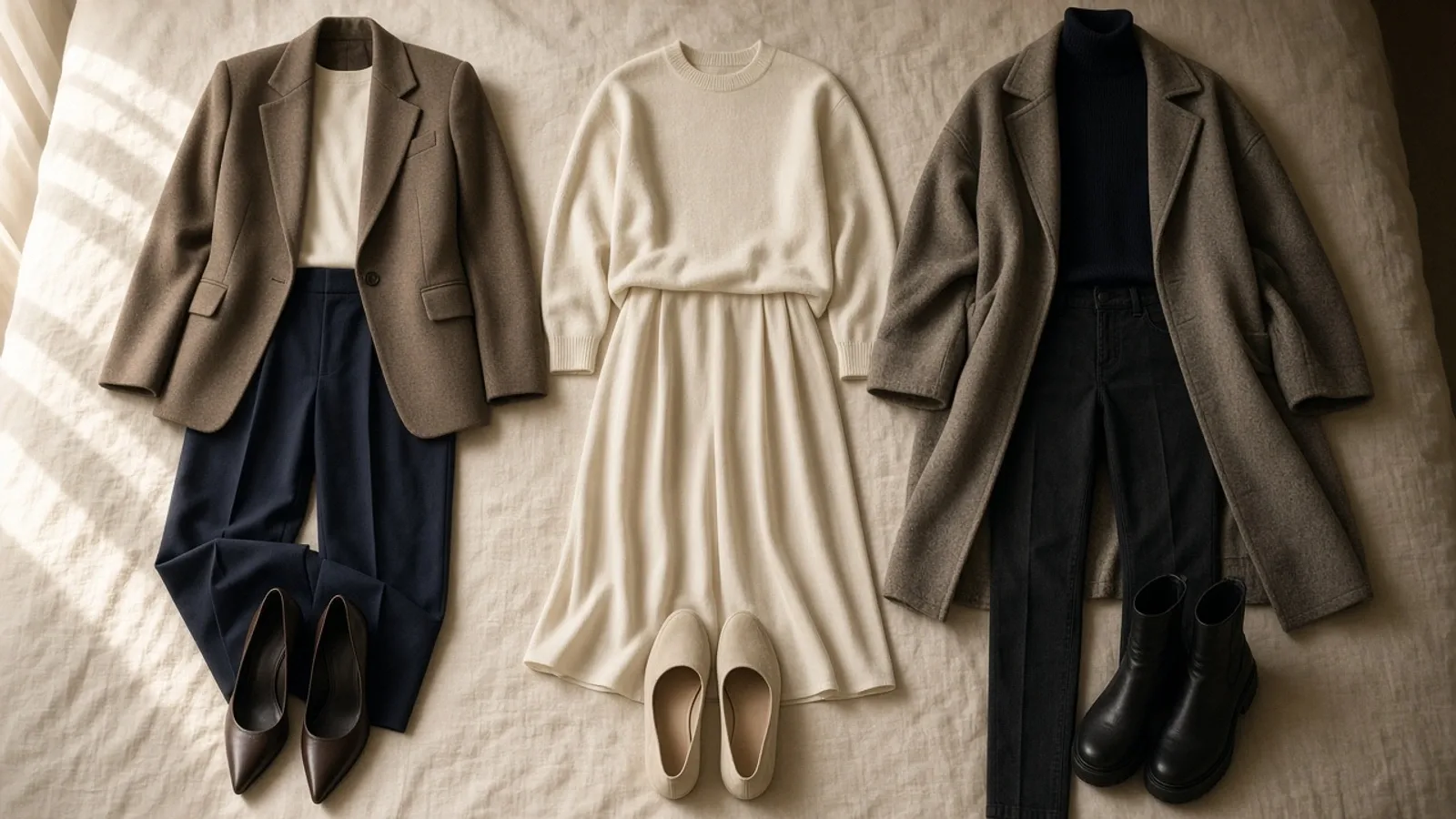
Most people do not have a clothing problem. They have a decision problem. The closet is full, but every morning starts from zero: what top, what bottom, what layer, what shoe.
An outfit formula replaces the open-ended question with a repeatable structure. It is not a uniform, and it is not a rule. It is a shortcut that leaves room for taste. The formula is not a cage; it is a starting point.
Why formulas beat rules
Rules tell you what not to wear. Formulas tell you what to put on. That is a meaningful difference at 7am.
A formula also makes shopping easier. If you know you wear a structured top, a relaxed bottom, and a third piece, you can evaluate a new purchase against that structure instead of against a mood.
The psychological layer is real: clothing carries meaning, and what you wear can affect how you feel and perform. A formula lets you choose the meaning on purpose — the blazer for a meeting, the knit for a slow day — without rebuilding the outfit from scratch.
Formula one: structured top + relaxed bottom + third piece
Pieces: a blazer or overshirt, a straight-leg trouser or jean, a loafer or boot.
Why it works: the structured top gives the outfit a frame; the relaxed bottom keeps it from looking corporate; the third piece finishes it.
Best for: work, meetings, a day with several contexts.
Watch: the shoulder fit. A blazer that is too wide will swallow the frame, no matter how good the trousers are. The three-jacket wardrobe covers the outerwear version.
Formula two: monochrome base + one pop
Pieces: a top and bottom in the same color family, plus one accent — a shoe, a bag, a lip, a scarf.
Why it works: monochrome creates a vertical line and removes the color-matching decision. The accent gives the eye somewhere to land.
Best for: travel, busy mornings, days when you want to look taller or more polished.
Watch: the tones must be close enough to read as intentional. A cool gray top with a warm beige bottom is not monochrome; it is a mismatch. The neutral roles guide explains the difference.
Formula three: fitted + fitted + oversized
Pieces: a fitted top, a fitted bottom, and an oversized layer.
Why it works: the contrast between close and loose creates shape without requiring a belt or a tuck.
Best for: weekends, creative offices, dinners.
Watch: the oversized layer should be the only oversized piece. If the top and bottom are both loose, the outfit loses its shape; if the layer is too long, it shortens the leg.
Adapting the formulas
| Formula | Structure | Best for |
|---|---|---|
| One: structured top | Blazer or overshirt, straight-leg trouser or jean, loafer or boot | Work, meetings, a day with several contexts |
| Two: monochrome base | Top and bottom in one color family, plus a single accent | Travel, busy mornings, looking taller |
| Three: fitted plus oversized | Fitted top, fitted bottom, one oversized layer | Weekends, creative offices, dinners |
| The shoe swap | Sneaker for day, heel for evening, same silhouette | Changing one formula’s register |
| A fourth formula | One extra structure for a category your week has | Dinner, travel or a workout that the first three miss |
- Change the shoe to change the register: a sneaker makes formula one casual; a heel makes it evening.
- Change the third piece to change the season: a blazer in spring, a coat in winter.
- Change the color to change the mood: the same silhouette in cream reads softer than in black.
- Change the fabric to change the formality: wool trousers vs denim.
The third-piece rule is the detail that makes all three formulas look finished.
What about variety
Variety comes from color, texture, and accessories, not from a new silhouette every day. A formula wardrobe can look repetitive in the closet and varied on the body.
If you get bored, add a fourth formula for a category your week actually has — a dinner formula, a travel formula, a workout formula. Do not add a formula for a fantasy life.
The morning reality
A formula is only useful if it is easy to execute:
- Choose the formula based on the day, not the mood.
- Pick the pieces that already fit and work together.
- Add the third piece.
- Put on the shoe.
- Leave.
The 15-minute morning applies the same logic to the whole routine. The capsule wardrobe guide shows how to build the pieces so the formulas actually work.
One worked Tuesday
It is 7:12am and the bedroom is still dim. You have a nine o’clock meeting, a school drop-off and a supermarket stop before lunch. Formula one handles all three: the navy blazer off yesterday’s hanger, the dark straight-leg jean, the flat loafer, a striped shirt underneath. The blazer is the only structured thing you are wearing, so the supermarket aisle does not feel like a costume. Swap the loafer for a clean sneaker and the same outfit survives the walk home with the bags. Nothing on that list needed a decision, nothing on it needed ironing, and the relief of that lasts until the kettle boils.
Who this is not for
If you love planning outfits and the process is part of the pleasure, a formula may feel restrictive. If you work in a creative field where the outfit is the work, you may need more room.
And if you already have a uniform that works, keep it. A formula is a tool for people who want fewer decisions, not a rule for everyone.
Method and limits
This is a styling system derived from the CiciTrends capsule, color, and fit principles. The claim that clothing can affect how you feel and perform is supported by enclothed cognition research; the specific formulas are editorial judgment.
Sources
- Adam H, Galinsky AD. Enclothed cognition. Journal of Experimental Social Psychology, 2012.
Direct answers
Frequently asked questions
What is an outfit formula?
An outfit formula is a repeatable combination of piece types: a structured top, a relaxed bottom, and a third piece, for example. It removes the open-ended morning decision while leaving room for color and texture.
How many outfit formulas do I need?
Three is enough for most weeks: one structured, one monochrome, and one relaxed. Add a fourth only if your life has a category the first three do not cover.
Do outfit formulas make you look boring?
No. The formula is the silhouette; the variety comes from color, fabric, and accessories. A uniform can be more memorable than a different outfit every day.
What if my body changes?
Keep the formula and change the pieces. A structured top and relaxed bottom still work; you may need a different rise, length, or fabric. The formula is a decision shortcut, not a size.
About the author

The editorial voice of CiciTrends. Color, fit, and the small decisions that make a wardrobe work. Written by an AI-assisted desk under human direction.
Reporting, sourcing and AI disclosure:/editorial-standards/
Keep reading
Related stories
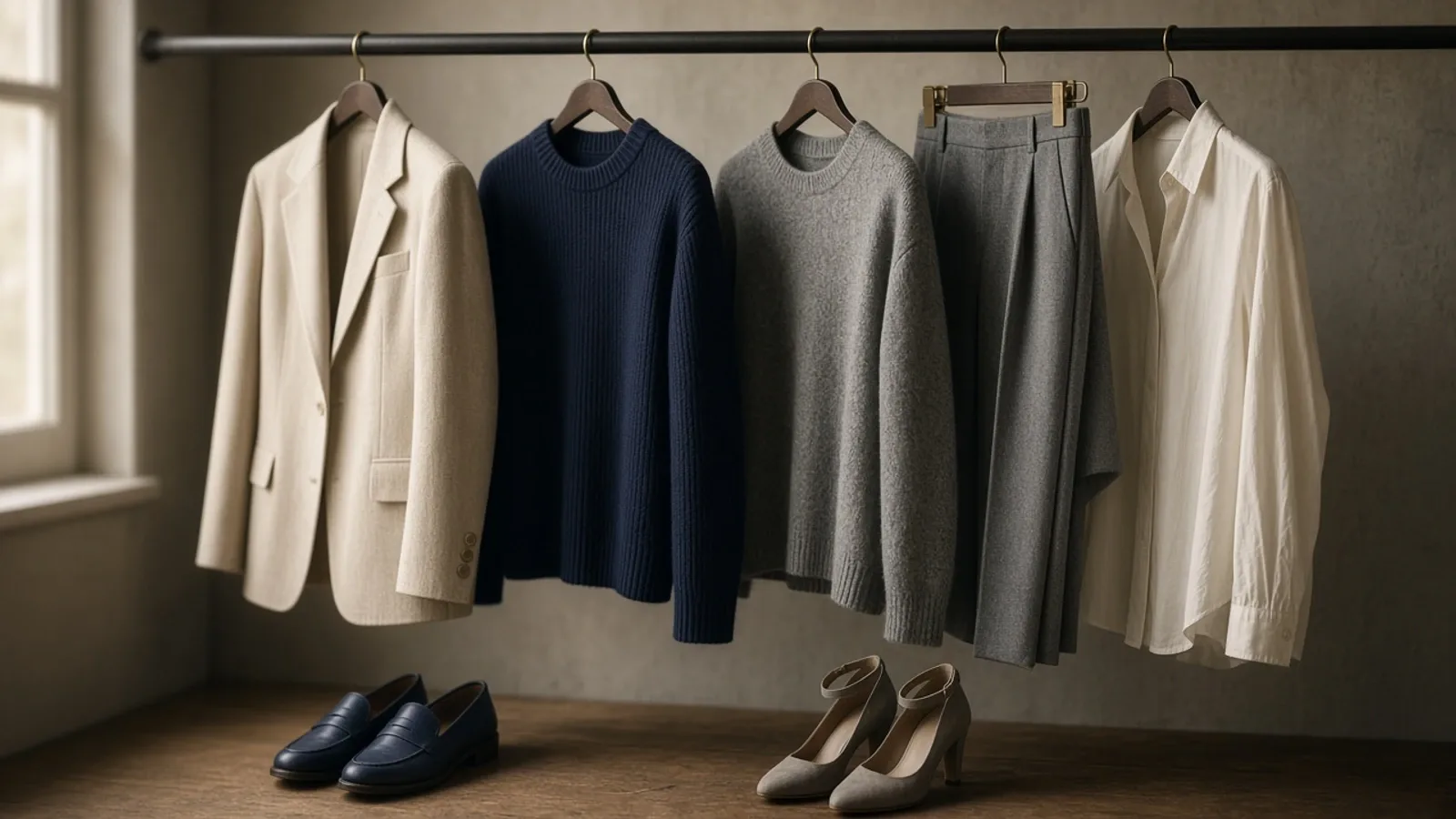
The five-piece workweek capsule
Five pieces, ten outfits, one workweek. A capsule that works because the colors do, not because you own more. Includes the matrix and what to spend on.
Nov 4, 2026
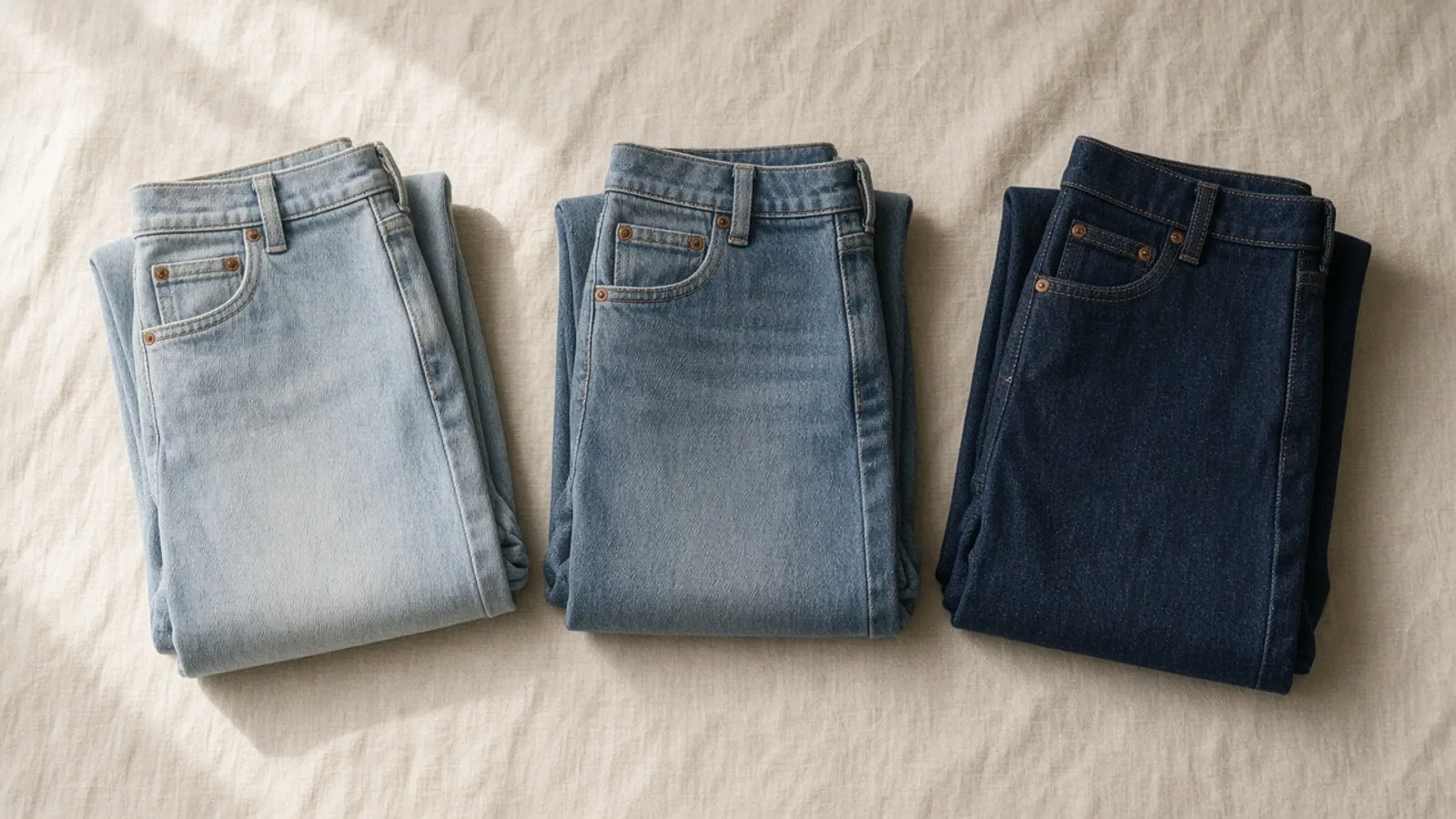
The three denim washes your season needs
Denim is a color decision before it is a fit decision. Here are the three washes worth owning for each of the 12 color seasons, and the black pair most women should skip.
Nov 4, 2026
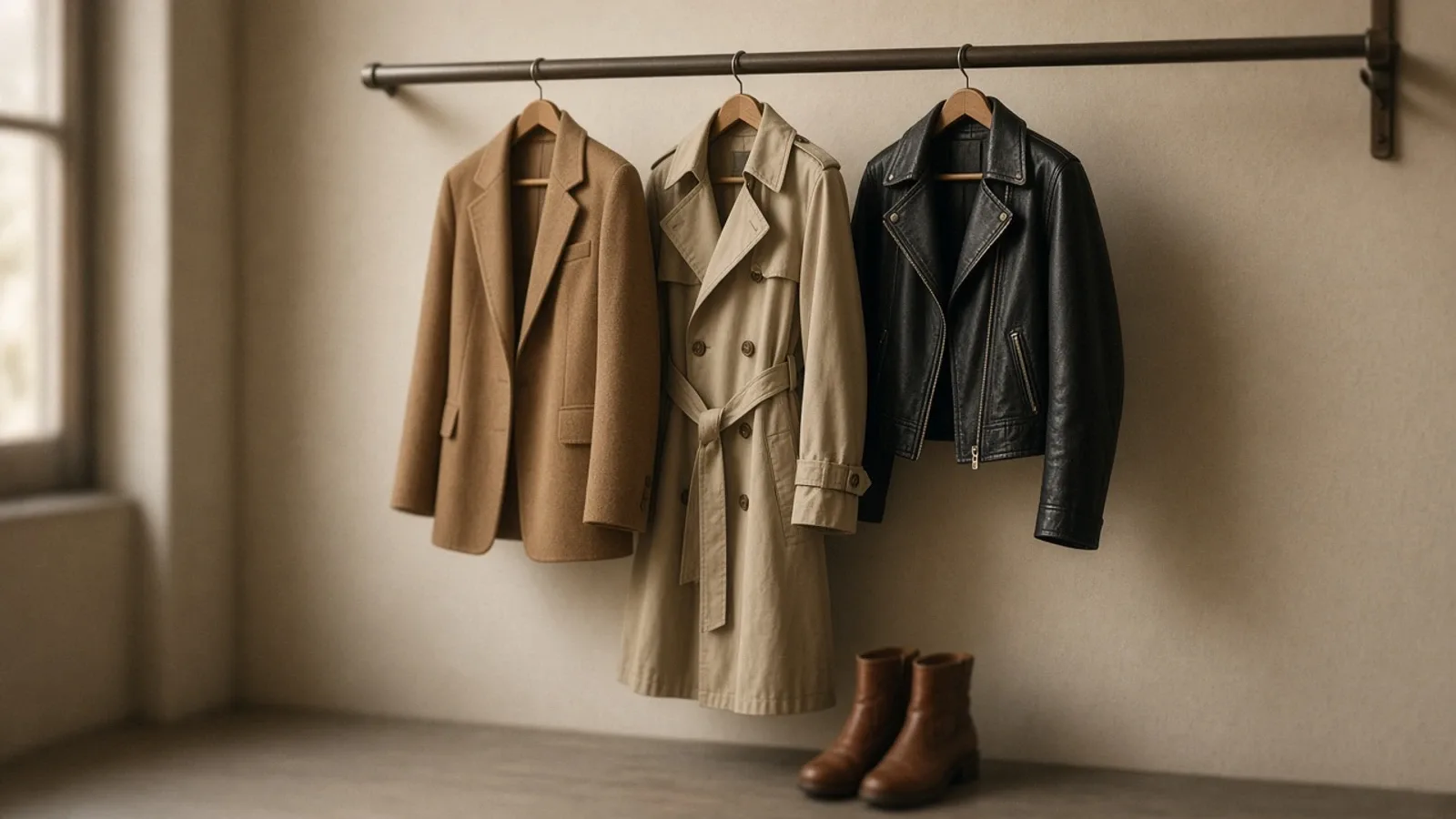
The three-jacket wardrobe
Three jackets, three jobs, one palette: the blazer, the trench, and the cropped jacket, with the proportions and color rules that make them work together.
Nov 5, 2026