Dressing after your body changes
In short
A wardrobe reset for the body you have now, not the one you had before. Measure, keep, tailor, and fill the gaps without the bounce-back pressure.
- Measure bust, waist, hip, and the lengths that matter for your frame, then buy for those numbers rather than the size on the label.
- Keep only what fits, feels comfortable, and works with at least two other pieces; release anything that does not fit now rather than storing it.
- A garment that fits the hip and gapes at the waist should be bought for the hip and tailored, because a digging rise is a fit problem, not a body problem.
By Cici
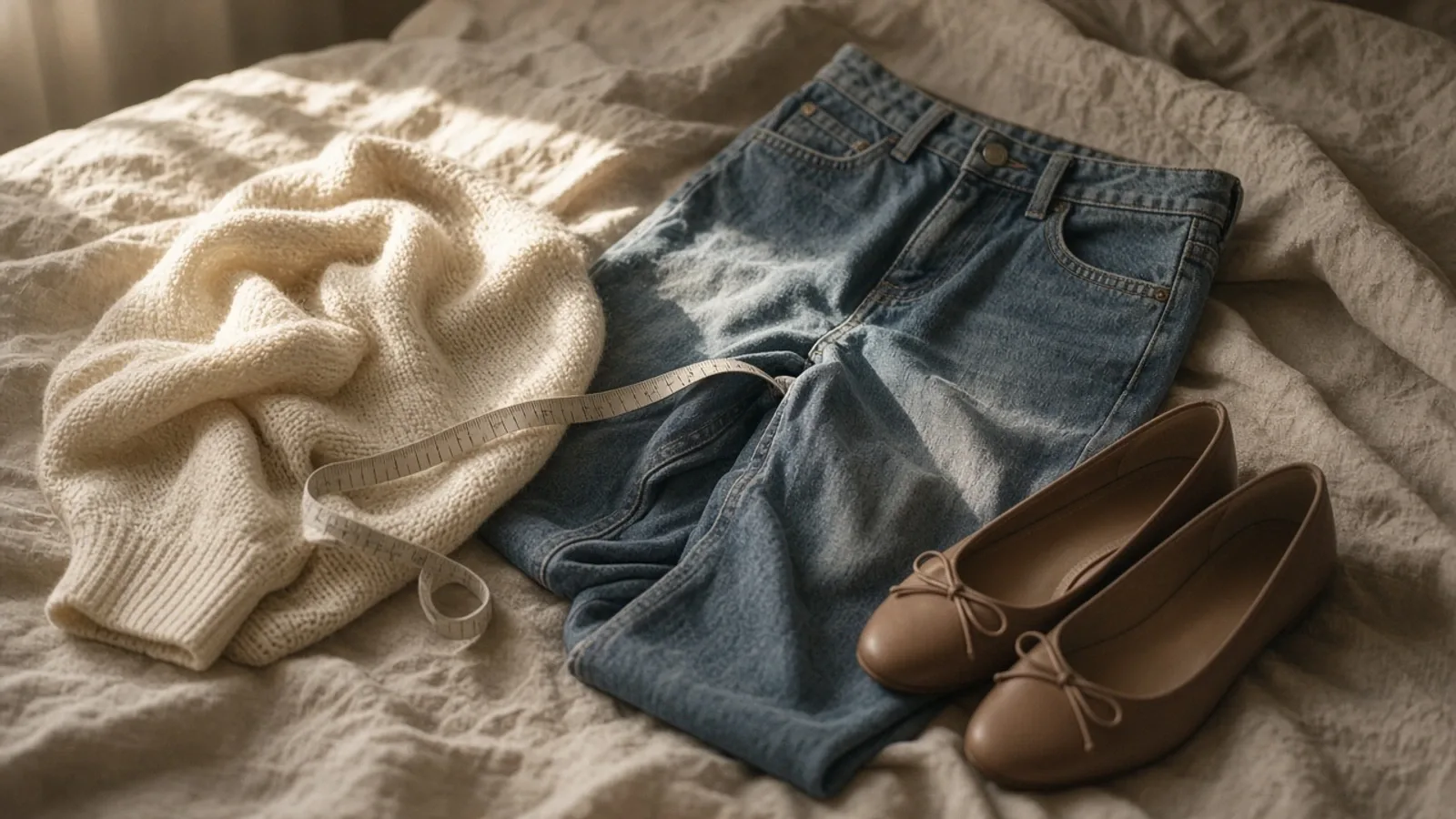
Bodies change. Pregnancy is one reason, but illness, medication, injury, age, and strength training are others. The closet crisis is the same in every case: the clothes that used to work no longer do, and shopping feels like a test you did not study for.
The way out is not a smaller body. It is a wardrobe that fits the body you have now.
The body you have now is the one to dress
The first move is to stop measuring yourself against a previous size. That size is a data point about a past body, not a standard you failed to meet.
- Measure now. Bust, waist, hip, and the lengths that matter for your frame. Write them down.
- Use the measurements, not the label. Sizes vary by brand and by decade. A tape measure is more reliable than a number on a tag.
- Buy for the body you have today. A garment that fits now can be worn now. A garment bought for a future body is a promise that turns into a reproach.
A 2026 pilot study of postpartum body image interviewed 11 mothers and identified themes of “bounce-back” pressure and feeling “a stranger to myself.” The study is small and qualitative, but the pattern is familiar: the distress is often less about the body itself than about the gap between the current body and the expected one.
The three-step reset
1. Keep what fits now
Pull everything out. Try each piece on, in daylight, with the shoes you would actually wear.
- Keep what fits, feels comfortable, and works with at least two other pieces.
- Repair what fits but has a hem, button, or seam problem.
- Tailor what fits at the shoulder or hip but not at the waist.
- Release what does not fit now. Storage is not a plan; it is a delay with dust.
2. Find the real gaps
Most wardrobes after a body change are missing one of four things:
- A bottom that fits the current waist and hip. This is usually the first gap.
- A top that does not pull across the bust or cling at the waist.
- A layer that closes over everything. A jacket or overshirt that actually buttons.
- Shoes that fit the current foot. Feet change too, especially after pregnancy.
3. Fill the gaps with a small set
Do not rebuild the whole wardrobe. Add the smallest number of pieces that make the rest wearable.
- One bottom in a fabric with some give.
- One top that skims rather than clings.
- One layer that fits over the top.
- One shoe that is comfortable for a full day.
The capsule wardrobe guide shows how to keep that set coherent, and the three-jacket wardrobe covers the layer.
Fit mechanics that matter more than size
| Body measure | Garment spec to check | If it is wrong |
|---|---|---|
| Shoulder | The seam sits at the edge of the shoulder | A seam hanging past the shoulder looks borrowed; size down or skip it |
| Waist and hip | The waistband sits where you bend comfortably | A rise that digs is a fit problem, not a body problem |
| Waist suppression | The hip fits and the waist gapes | Buy for the hip and have the waist tailored |
| Stretch | The fabric has a little give | A little stretch is how clothes accommodate movement and a changing body |
| Skin feel | The fabric against your skin for a minute | If it makes your skin crawl you will not wear it, however good it looks |
- Shoulder seam. On a jacket or top, the seam should sit at the edge of the shoulder. If it hangs past it, the garment will look borrowed.
- Rise. The waistband should sit where you bend comfortably. A rise that digs is a fit problem, not a body problem.
- Waist suppression. A garment that fits the hip and gapes at the waist can be tailored. Buy for the hip.
- Fabric give. A little stretch is not cheating. It is how clothes accommodate movement and changing bodies.
- Sensory comfort. If a fabric makes your skin crawl, you will not wear it, no matter how good it looks.
The barrel jeans guide applies the same logic to denim: rise, length, and hem before size.
The palette shortcut
Color is often the fastest way to feel like yourself again. Use the neutral roles guide to find the base colors that work with your skin, then add one accent you actually like.
Do not use “flattering” as a synonym for “slimming.” Ask a better question: does this color make my face look alive, or tired? The colors that age you is the honest version of that test.
What not to do
- Do not buy a smaller size as motivation. It is a purchase that punishes you every time you open the drawer.
- Do not wait until you “get back” to shop. You need clothes now, for the life you are living now.
- Do not compare your current body to a pre-pregnancy photo. The photo is not a moral standard, and the comparison is not a plan.
- Do not keep clothes that hurt. Discomfort is not discipline.
- Do not rebuild everything at once. A few good pieces will outperform a panicked haul.
Who this is not for
If your body change is connected to a medical condition, pain, or rapid unexplained weight change, talk to a clinician. A wardrobe can support you; it cannot diagnose or treat.
If you already have a wardrobe that fits and feels good, you do not need a reset. And if you love the clothes you have, keep them; the goal is not a new wardrobe, it is a workable one.
Method and limits
This is a wardrobe system derived from the CiciTrends fit and color principles. It is written for any body change, not only postpartum. The postpartum context is informed by a small 2026 qualitative pilot on body image; it is not a clinical guideline. Adjust the pieces to your body, your climate, and your life.
Sources
- Hussain A, Nalivaikaite A, Warren J, Jackson L. A pilot study to explore postpartum body image and resumed menstruation. Journal of Reproductive and Infant Psychology, 2026.
Direct answers
Frequently asked questions
What should I do with clothes that no longer fit after pregnancy?
Keep only what fits now and works with at least two other pieces. Repair a hem or missing button, tailor a jacket that fits the shoulder but not the waist, and release the rest. Storage is not a plan; it is a delay with dust, and holding the old size keeps you dressing for a past body.
How do I find clothes that fit when my body has changed?
Measure bust, waist, hip, and the lengths that matter for your frame, then shop by those numbers instead of the tag. Sizes vary by brand and by decade, so a tape measure is more reliable than a label. Buy for the body you have today, not a future one.
What pieces are usually missing after a body change?
Most wardrobes are missing four things: a bottom that fits the current waist and hip, a top that does not pull across the bust, a layer that closes over everything, and shoes that fit the current foot. Add the smallest set that makes the rest wearable rather than rebuilding everything.
Does a jacket need to fit at the shoulder or the waist?
The shoulder seam decides. It should sit at the edge of the shoulder, and a jacket that hangs past it will look borrowed. If the shoulder and hip fit but the waist gapes, that is tailor territory. Buy for the hip and have the waist taken in.
About the author

The editorial voice of CiciTrends. Color, fit, and the small decisions that make a wardrobe work. Written by an AI-assisted desk under human direction.
Reporting, sourcing and AI disclosure:/editorial-standards/
Keep reading
Related stories
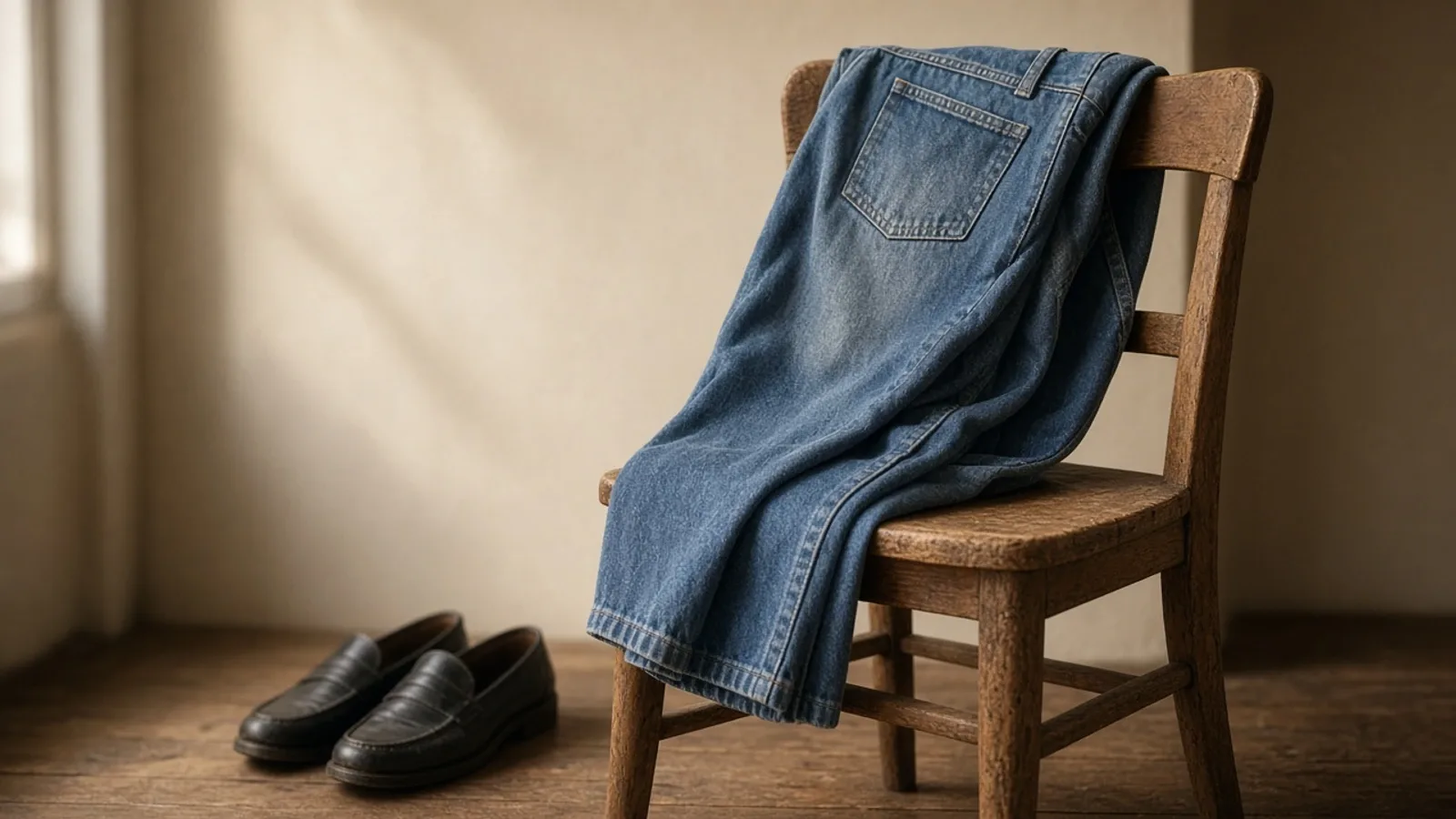
Barrel jeans on a real body: what the silhouette actually does
Barrel jeans are not a body problem. They are a rise, length, and hem problem. The fit logic, the proportions, and the shoes that make the curve work.
Nov 5, 2026
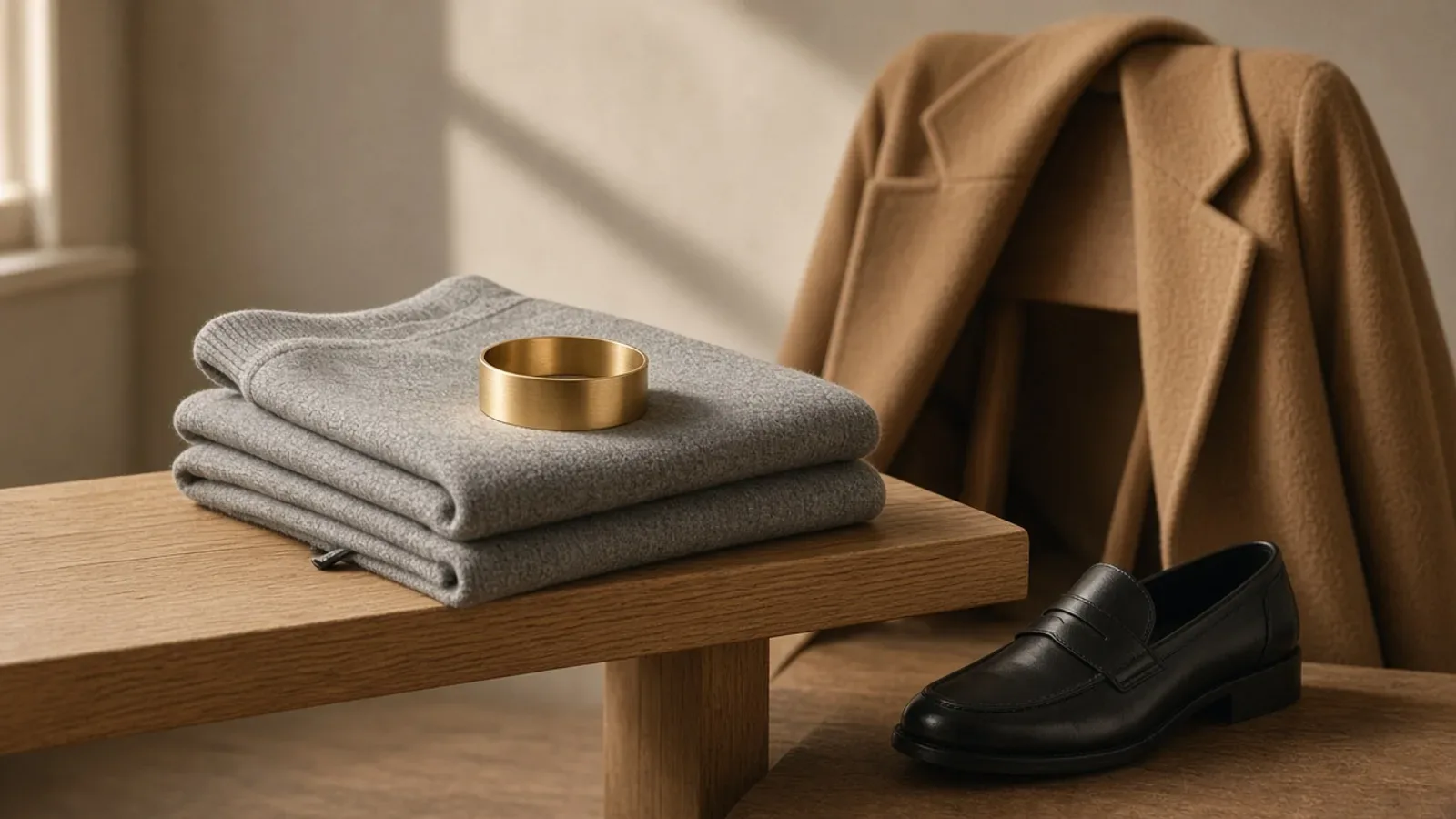
The High-Low Uniform: One Hard Thing Makes Sweatpants Work Outside
Gray sweatpants and hoodies leave the house when one hard element, a coat, a metal, a sleek shoe, does the work. Three formulas and a quick mirror test.
Nov 7, 2026
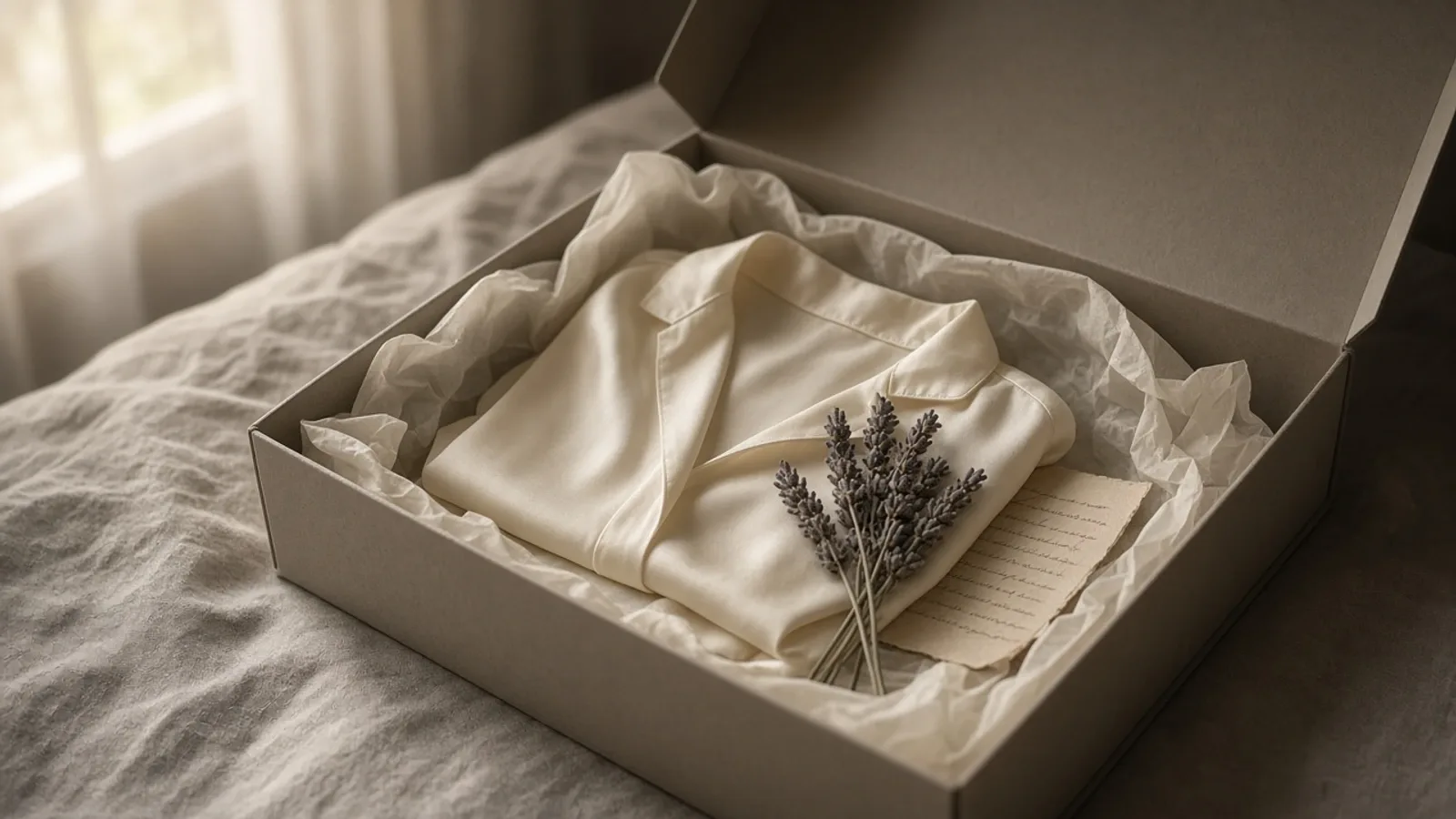
Fashion grief: when clothes hold a life you have left
A silk blouse, a wedding suit, a pre-baby dress. Why clothes hold memory, and a keep/repurpose/release framework that does not require a purge.
Jan 3, 2026