Barrel jeans on a real body: what the silhouette actually does
In short
Barrel jeans are not a body problem. They are a rise, length, and hem problem. The fit logic, the proportions, and the shoes that make the curve work.
- Size barrel jeans for the hip, measured about eight inches below the natural waist, not the waistband, because a waist can be taken in and a tight hip cannot.
- A short torso suits a 10 to 11 inch rise and a longer torso can carry up to 12 inches; anything lower makes the barrel read slouchy rather than intentional.
- Petite frames need a 26-inch inseam or a petite range, because a cropped barrel that lands mid-calf looks borrowed and cannot be rolled or folded to fix it.
By Cici

Barrel jeans are the most misunderstood silhouette in denim. The shape is not a straight leg with extra fabric. It is a high-rise jean with volume through the thigh and knee that curves inward at the hem, usually cropped to the ankle.
That combination is why the same pair can look deliberate on one woman and like a mistake on another. It is rarely the body. It is almost always the rise, the length, or the hem.
What makes a barrel jean different
A barrel jean has three defining features:
- A high rise. It sits at or near the natural waist, which is what holds the volume in place.
- Volume through the thigh and knee. The leg curves outward, then back in, rather than falling straight.
- A tapered, cropped hem. The leg narrows at the ankle, and the length is short enough to show the ankle and the shoe.
The hem is the part people underestimate. Because the jean is cropped, you cannot roll it, tuck it, or hem it with a quick fold. If the length is wrong, the proportion collapses. A pair that is perfect at the waist and three inches too long will read as baggy rather than sculptural.
The fit logic: measure, then size for the hip
Barrel jeans are cut differently from your usual straight leg, so your usual size is not a reliable guide. Measure three things:
- Waist at the natural waist, the narrowest point.
- Hips at the fullest point, roughly eight inches below the natural waist.
- Inseam from the crotch to the floor, barefoot.
Then size for the hip, not the waist. A waistband can be taken in; a tight hip cannot. Many women need to go up one size from their slim-jean size because barrel cuts often have less ease through the hip than expected.
Most barrel jeans have an inseam of 26–28 inches. If you are taller, check the listed inseam carefully; if you are petite, look for a petite range or plan to hem.
The rise question
All barrel jeans are high-rise, but “high-rise” varies by brand. The rise changes where the volume starts and how the curve hangs.
- Shorter torso: look for a 10–11 inch rise. It sits at the natural waist without climbing toward the ribs.
- Longer torso: up to 12 inches can still look proportional.
- Petite overall: prioritize the inseam first. A cropped barrel on a shorter frame is a proportion decision, not a style preference.
If the rise is too low, the barrel shape looks slouchy rather than intentional. If it is too high, the jean can pull and flatten the curve.
Styling the volume
The rule is balance, not camouflage. The jean already has volume; the top should not compete with it.
- Tuck the top. A fitted tee, a fine knit, or a shirt tucked in lets the high waist do its job.
- Keep the top short or tucked. A long, loose top over a barrel leg creates a rectangle and hides the shape.
- Add structure on top. A cropped jacket, a blazer, or a third piece gives the eye a vertical line. The third-piece rule explains why.
- Choose a shoe with a little lift. A pointed or square-toe flat, a low heel, a chunky loafer, or a slim trainer. A heavy boot can swallow the tapered hem; a delicate flat can look underpowered.
The denim washes guide covers which wash belongs to your palette. Barrel jeans are a silhouette decision; the wash is a separate one.
By proportion, not by body shape
| Body proportion | Fit priority | Measurement to check |
|---|---|---|
| Petite overall | Inseam first, then a hem that lands at the ankle | 26-inch inseam or a petite range |
| Short torso | A rise that stops at the natural waist | 10 to 11 inch rise |
| Long torso | A rise that keeps the curve hanging properly | Up to 12 inches |
| Tall frame | A hem at the ankle rather than mid-shin | 28-inch inseam or a tall range |
| Curvier hips | Hip room before waist fit | Brand hip measurement, one size up from slim jeans |
The useful way to think about barrel jeans is proportion, not “flattering.”
- Petite: the crop is the whole game. Look for a 26-inch inseam or a petite range. If the hem hits mid-calf, it will look like you borrowed the jeans.
- Tall: standard barrel jeans often hit mid-shin. Look for tall ranges or a longer inseam so the hem lands at the ankle.
- Curvier hips: choose a stretch blend rather than rigid denim, size for the hip, and tailor the waist if needed. Rigid denim can pull across the hip and lose the curve.
- Narrow hips: the volume does the work. Keep the top fitted and the shoe sleek so the silhouette stays intentional.
- Short torso: a lower rise within the high-rise range can keep the proportion from looking compressed.
If you want the wider fit framework, the body shape guide covers proportion without the shame language.
What to check before you buy
- The rise measurement, not just the word “high-rise.”
- The inseam, in inches, on the product page.
- The hip measurement in the brand’s size chart, not the waist.
- The return policy. Barrel jeans are a fit purchase; you may need to try two sizes.
- The fabric. Stretch denim is more forgiving through the hip; rigid denim holds the curve but is less forgiving.
The 30-wear rule applies here too: if you will not wear them thirty times, they are a trend purchase, not a wardrobe purchase.
Who this is not for
If you hate volume at the thigh, barrel jeans are not the silhouette for you. That is not a failure; it is a preference. A straight leg or a wide leg may do the same job with less shape.
If you need a classic, formal denim look, barrel jeans are casual by design. And if you are shopping for a specific dress code, solve that first; the barrel is a style choice, not a uniform.
Sources
- Blake E. How to Find Your Size in Barrel Jeans — the Fit Explained Properly. Tellar, 2026.
- How to Style Barrel-Leg Jeans, 2026’s Favorite Denim Trend. HuffPost.
Direct answers
Frequently asked questions
What shoes work with barrel-leg jeans on a petite frame?
Choose a shoe with a little lift and a defined toe: a pointed or square-toe flat, a low heel, a chunky loafer or a slim trainer. A heavy boot swallows the tapered hem, and a very delicate flat can look underpowered against the volume.
Should I size up or down in barrel jeans?
Start with your usual size and be ready to go up one from your slim-jean size, because barrel cuts often have less ease through the hip than expected. Judge by the hip measurement in the brand size chart. The waistband is easy to tailor; a tight hip is not.
Why do barrel jeans look wrong on me?
The problem is usually the rise, the length or the hem rather than your body. A 10 to 11 inch rise suits a shorter torso, the inseam should land at the ankle, and a hem that hits mid-calf collapses the proportion. Check those three numbers first.
What should I wear on top with barrel jeans?
Keep the top fitted or tucked and add structure over it. A fine knit tucked into the high waist, a cropped jacket or a blazer gives the eye a vertical line. A long loose top over a barrel leg creates a rectangle and hides the shape you paid for.
About the author

The editorial voice of CiciTrends. Color, fit, and the small decisions that make a wardrobe work. Written by an AI-assisted desk under human direction.
Reporting, sourcing and AI disclosure:/editorial-standards/
Keep reading
Related stories
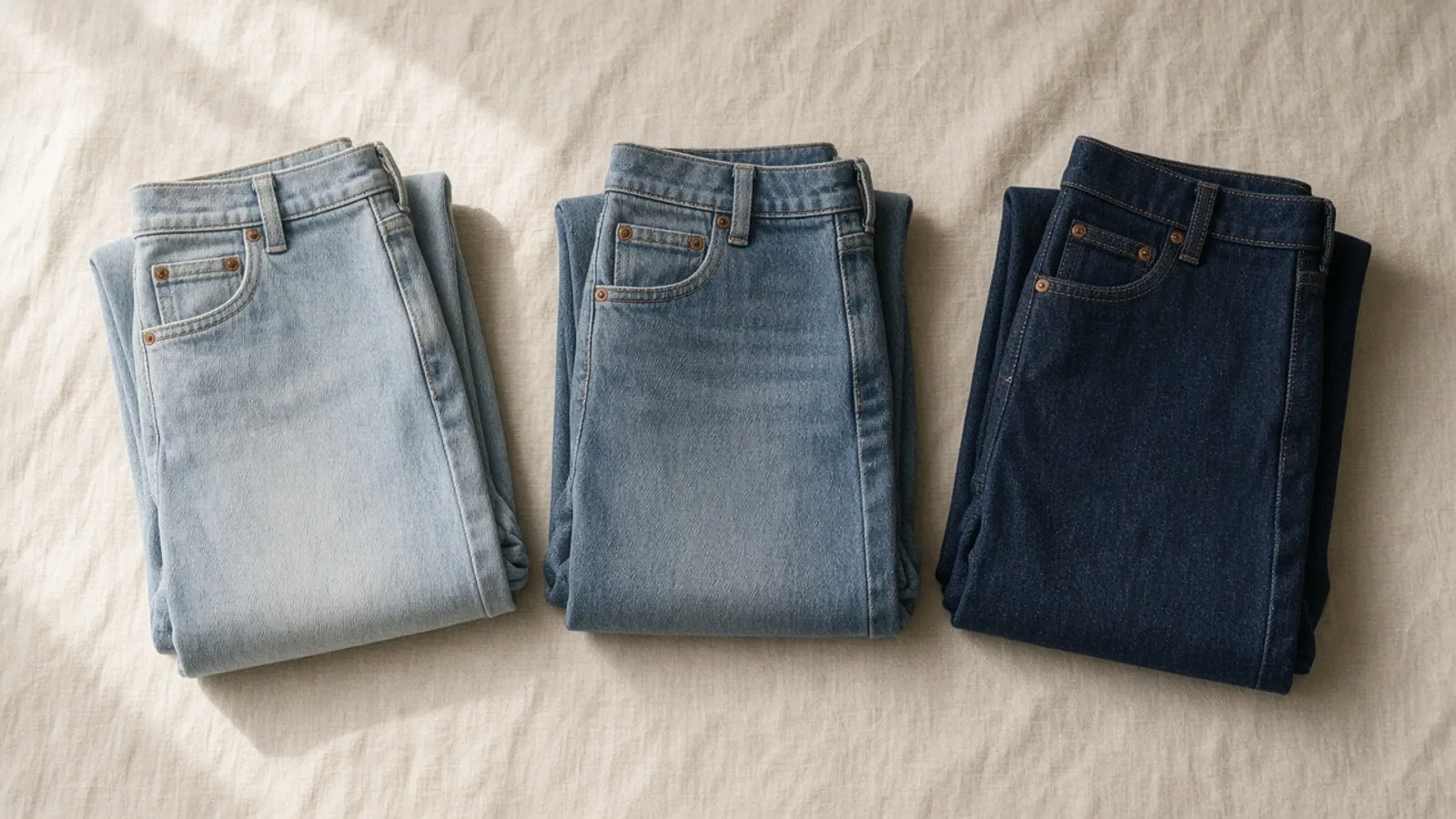
The three denim washes your season needs
Denim is a color decision before it is a fit decision. Here are the three washes worth owning for each of the 12 color seasons, and the black pair most women should skip.
Nov 4, 2026
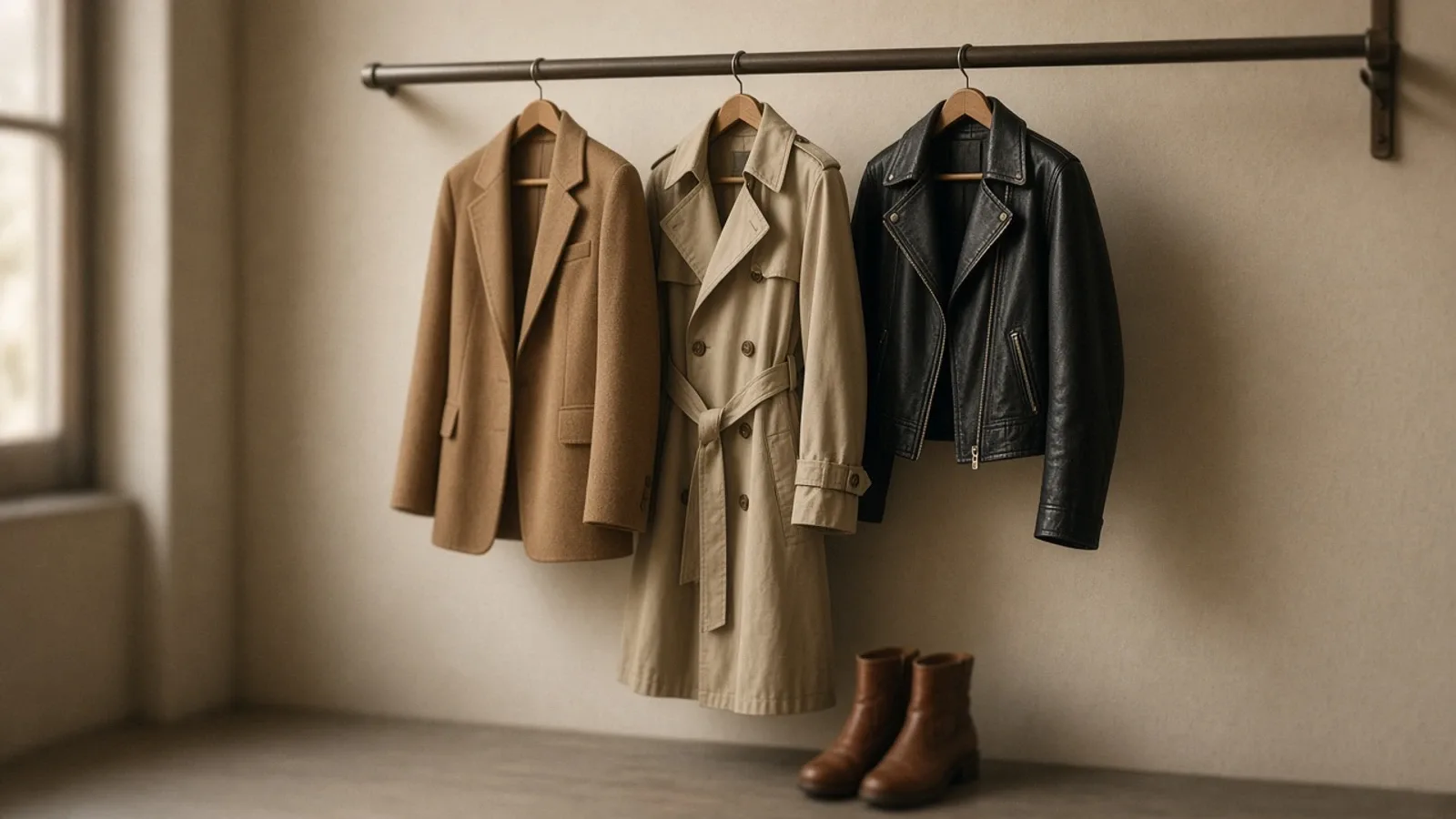
The three-jacket wardrobe
Three jackets, three jobs, one palette: the blazer, the trench, and the cropped jacket, with the proportions and color rules that make them work together.
Nov 5, 2026

Dopamine dressing: what the evidence actually supports
Color can change how you feel, but not because a jumper releases dopamine. The useful version of the trend is about agency, memory, and a palette that works.
Dec 31, 2025