Fashion grief: when clothes hold a life you have left
In short
A silk blouse, a wedding suit, a pre-baby dress. Why clothes hold memory, and a keep/repurpose/release framework that does not require a purge.
- Sort every difficult garment into one of three buckets: wear now, keep for memory, or release. Each bucket has a different test, and memory alone is never a reason to keep a whole wardrobe.
- Keep no more than one memory piece per loss or milestone: one wedding piece, one piece from a person you have lost, and one that represents a past version of yourself worth remembering.
- If a piece will not fit the life you have now, photograph it front, back and detail, write one sentence about what it meant, then donate, sell or have it remade.
By Cici

There is a silk blouse in a lot of closets that no longer fits a life. It is beautiful, it was expensive, and it is not coming back. The owner pulls it out, holds it, and puts it back.
That is not a decluttering failure. It is grief, wearing a garment.
Why clothes hold memory
Clothing is not neutral. It is worn against the body, in specific places, at specific times. A wedding suit, a first-day-of-work dress, a jumper from a person who died — these are not just fabric. They are objects that carry meaning.
The enclothed cognition research describes how clothing carries symbolic meaning and can affect how people feel and perform. The effect is not only in the wearing; it is in the memory the garment holds.
That is why “just get rid of it” is bad advice. The piece is doing emotional work, even if it is not doing wardrobe work.
The three categories
Separate memory from utility. Every difficult piece falls into one of three buckets.
| Bucket | Test to apply | What happens to the piece |
|---|---|---|
| Wear now | It fits, it suits your life and you actually wear it | Stays in the daily wardrobe, memory included |
| Keep for memory | It fits nothing but holds a wedding, a loss or a former self | One deliberate piece, stored in a box or cedar chest |
| Release | It does not fit, is not worn, and the memory is too faint to justify the space | Photograph it, write one sentence, then donate, sell or remake it |
| Repair first | The fault is a seam, a hem or a button rather than the memory | Mend it before deciding whether to release |
| Body-change piece | Bought for a body you no longer have | One for memory, never the whole wardrobe |
1. Wear now
It fits, it suits your life, and you wear it. Keep it. The memory is a bonus.
2. Keep for memory
It does not fit or suit your life, but the memory is the point. Keep a small, deliberate number of these pieces:
- One wedding or milestone piece.
- One piece from a person you lost.
- One piece that represents a version of you worth remembering.
Store them properly, not in the daily wardrobe. A memory box is not a closet.
3. Release
It does not fit, you do not wear it, and the memory is not strong enough to justify the space. Release it — but do it deliberately.
A release ritual
A ritual makes the decision feel intentional instead of wasteful.
- Photograph the piece. Front, back, detail. Keep the photo, not the object.
- Write one sentence. What did this piece mean? What part of your life does it hold?
- Decide the next life. Donate, sell, give to a friend, or have it remade into something you will use — a cushion, a quilt, a bag.
- Release it on a good day. Not in a rage, not in a panic, not at midnight.
- Do not replace it immediately. The gap is part of the process.
There is a moment, usually on a Sunday afternoon, when the piece comes off the hanger and you hold it against yourself in front of the mirror. Notice the weight of it. Notice the smell of the cupboard, the dry-cleaning edge on the collar, the label at the back of the neck you always meant to cut out. That small physical inventory tells you whether you are keeping a garment or keeping a day. If what surfaces is guilt rather than warmth, it is a signal to release, not a reason to keep.
If the piece is a textile you love, a quilter or textile artist can turn it into something else. That is a different relationship with the object, not a betrayal of it.
The body-change trap
The hardest category is clothes from a previous body. A pre-pregnancy dress, a suit from before an illness, jeans from a different decade.
The body-change guide covers the practical reset. The emotional version is simpler: the body you have now is the one to dress. Keeping a whole wardrobe for a future body is not motivation; it is a daily reproach.
Keep one piece for memory if you need to. Do not keep twenty.
The one-piece rule
If you cannot decide, keep one piece and release the rest. Choose the garment that holds the clearest memory, not the most expensive one. Store it somewhere deliberate — a box, a cedar chest, a sealed bag — not in the daily wardrobe.
The one-piece rule gives the memory a place without letting it take over the closet. You are not erasing the past; you are giving it a smaller, better home.
What not to do
- Do not purge in a crisis. A grief spike is not a decluttering plan.
- Do not keep everything to avoid one difficult feeling. A closet is not a museum.
- Do not buy a new persona to replace the old clothes. The personal style guide is the better route.
- Do not throw away a piece you might repair. The invisible mending guide covers what can be fixed.
- Do not judge yourself for caring. Attachment to objects is human.
When it is more than clothes
If the attachment is tied to unresolved grief, body image distress, hoarding, or a compulsive buying cycle, a therapist can help. A wardrobe edit is not a substitute for mental health care.
If a piece is a relic of a person or a time you have not processed, keep it until you are ready. There is no deadline.
Who this is not for
If you love your wardrobe and it works, you do not need a framework. If you are in the middle of a crisis, wait. And if you are naturally unsentimental about clothes, that is not a flaw; it just means this is not your problem.
Method and limits
This is a wardrobe framework derived from the CiciTrends capsule and personal-style principles, with the meaning of clothing informed by enclothed cognition research. It is not a therapeutic protocol.
Sources
- Adam H, Galinsky AD. Enclothed cognition. Journal of Experimental Social Psychology, 2012.
Direct answers
Frequently asked questions
Why is it so hard to get rid of clothes I do not wear?
Clothes carry memory and identity. A garment can represent a version of yourself, a relationship, or a time of life. Letting go can feel like admitting that version is gone, even when the practical reason is simple.
Should I keep clothes that no longer fit?
Keep a small number for memory, not a whole wardrobe for a future body. If the piece is sentimental, store it deliberately. If it is only aspirational, it is taking space from clothes that fit now.
How do I let go of clothes without regret?
Separate memory from utility. Photograph the piece, write down what it meant, and decide whether to keep it as an object, repurpose it, or release it. A ritual makes the decision feel deliberate rather than wasteful.
When is clothing attachment a bigger issue?
If the attachment is tied to unresolved grief, body image distress, hoarding, or a compulsive buying cycle, a therapist can help. A wardrobe edit is not a substitute for mental health care.
About the author

The editorial voice of CiciTrends. Color, fit, and the small decisions that make a wardrobe work. Written by an AI-assisted desk under human direction.
Reporting, sourcing and AI disclosure:/editorial-standards/
Keep reading
Related stories
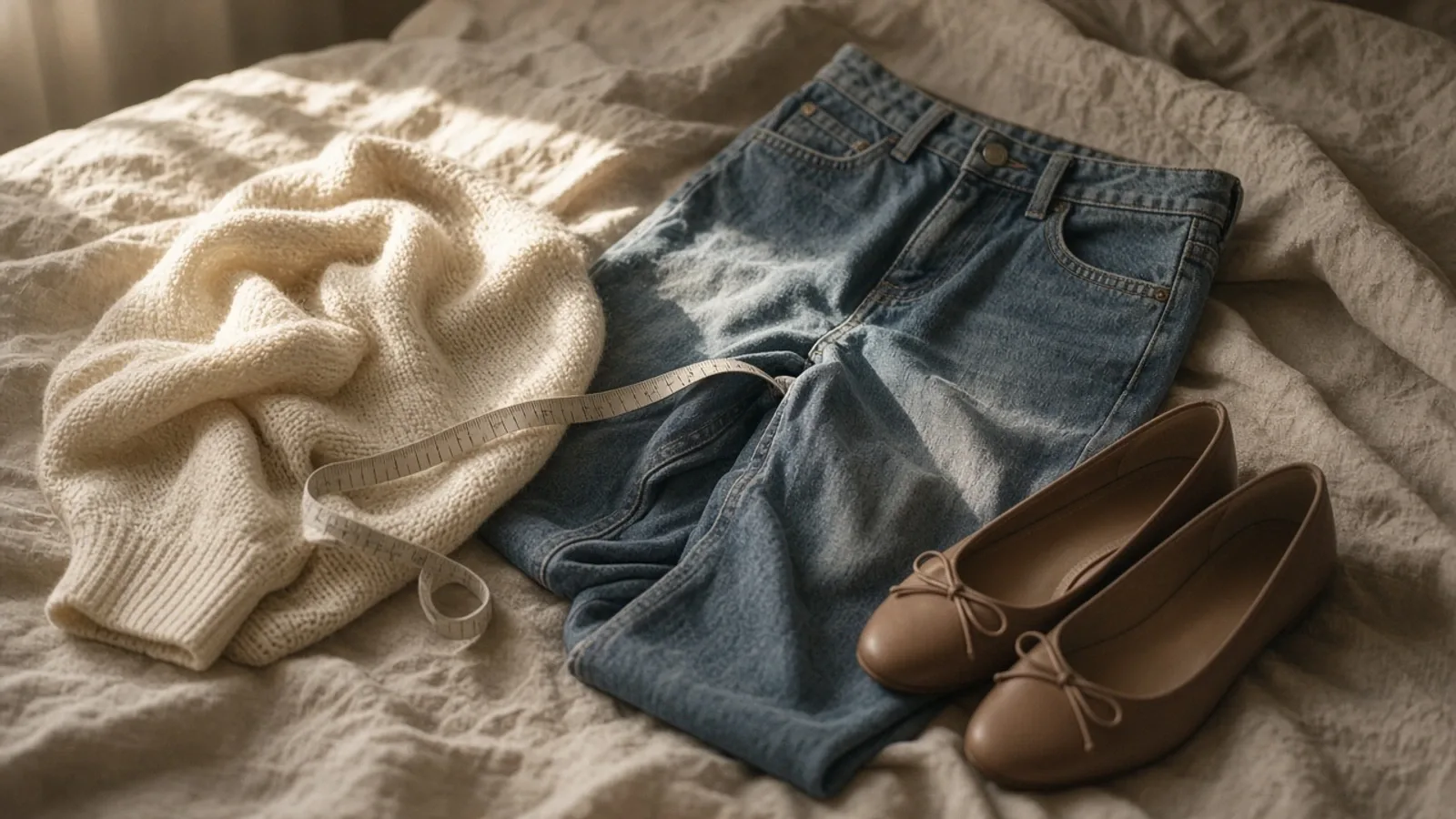
Dressing after your body changes
A wardrobe reset for the body you have now, not the one you had before. Measure, keep, tailor, and fill the gaps without the bounce-back pressure.
Jan 3, 2026
Jewelry cost per wear: the four-term formula that decides
Jewelry cost per wear is price minus resale, plus upkeep and repairs, divided by wears. How metal tone sets the denominator — and the gold-or-silver decision.
Nov 5, 2026
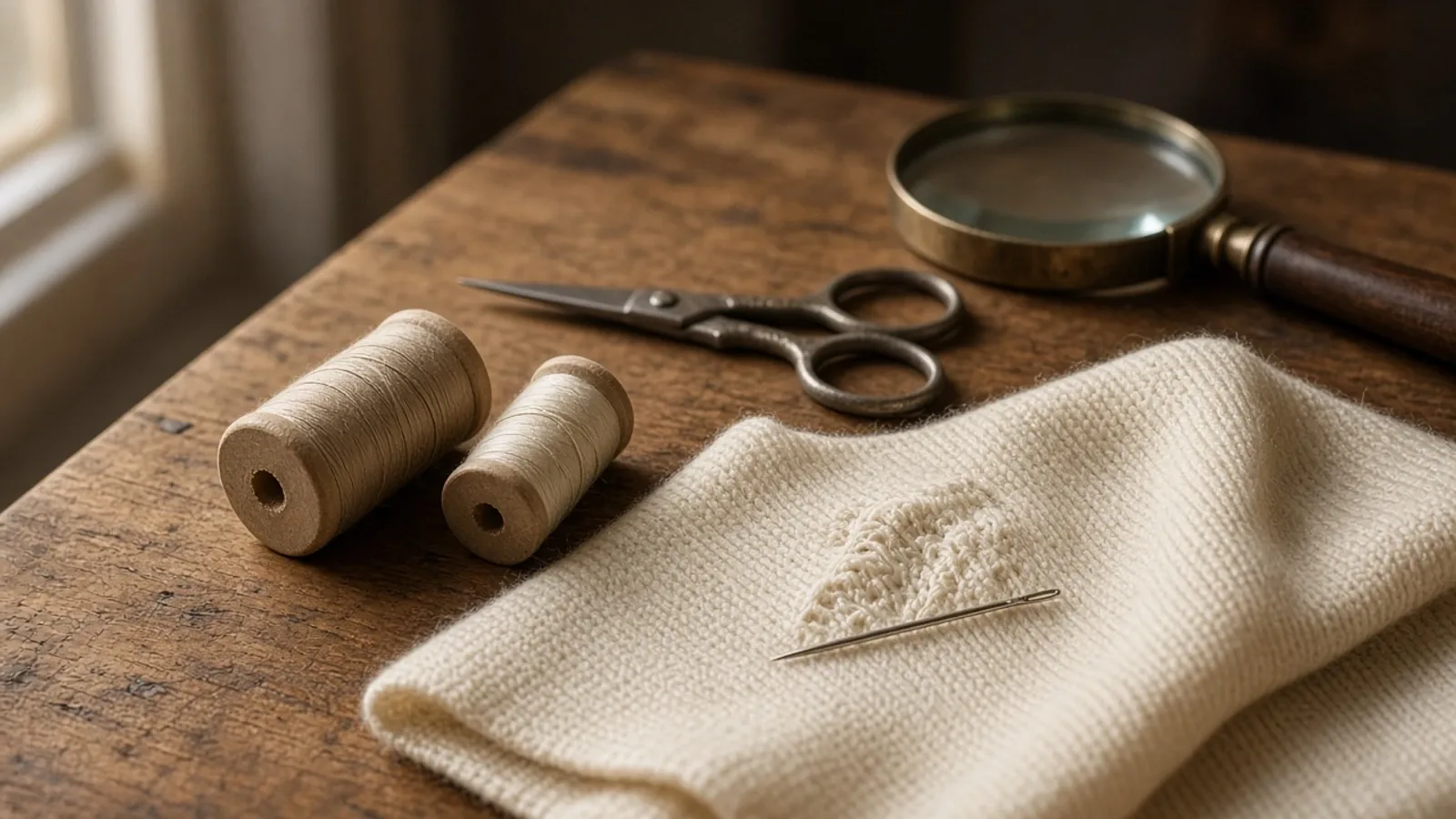
Invisible mending: what it can and cannot fix
Reweaving a moth hole is not the same as fixing a felted jumper. What invisible mending can repair, what it cannot, and when the math favors repair.
Dec 31, 2025