The third-piece rule: the easiest way to finish an outfit
In short
Top, bottom, third piece. Why one extra layer or accessory makes a basic outfit look intentional, and how to choose the right one.
- A top and a bottom is an outfit; add one visible third piece, a layer, an accessory or a deliberate shoe, and the eye reads a composition instead of a line.
- A third piece is not underwear, a plain sock or a phone in your hand: it has to be visible, intentional, and the one element you chose on purpose.
- Keep one focal point. If the earrings are loud the bag stays quiet, and if the scarf is printed the rest of the outfit stays solid.
- A third piece must work with at least three things you already own, because a piece bought for one outfit fails the thirty-wear test.
By Cici

A top and a bottom is an outfit. A top, a bottom, and a third piece is a look. The difference is usually one layer, one accessory, or one deliberate shoe.
The third-piece rule is not a trend. It is a proportion trick: it gives the eye a third element to read, which makes the outfit look considered even when it took two minutes.
What counts as a third piece
A third piece is anything that adds a visible layer or a focal point:
- A structured layer: blazer, overshirt, tailored jacket.
- A soft layer: cardigan, knit over the shoulders, scarf.
- An accessory: belt, statement earrings, a watch, a bag with structure.
- A shoe that changes the register: a loafer instead of a sneaker, a boot instead of a flat.
It does not include underwear, a plain sock, or a phone in your hand. The third piece has to be visible and intentional.
Why it works
The eye reads an outfit in layers. Two pieces create a line; three create a composition. The third piece can add contrast, define a waist, or repeat a color.
There is also a psychological layer. Clothing carries meaning, and what you wear can change how you feel and perform. The enclothed cognition research is the clearest evidence for that. A blazer you associate with competence does more for your posture than a random cardigan. The third piece is the one you choose on purpose.
The five formulas
| Base outfit | Third piece | What it does |
|---|---|---|
| Tee and jeans | Blazer | Adds structure while the tee keeps it from looking corporate |
| Knit and trousers | Scarf | A soft layer for a cold office or a dinner |
| Dress and boots | Belt | Defines the waist while the boots change the season |
| Shirt and skirt | Knit over the shoulders | A relaxed third piece that works in spring and autumn |
| Tee and wide-leg trousers | Statement earrings | A focal point with no layer at all |
- Tee + jeans + blazer. The classic. The blazer adds structure; the tee keeps it from looking corporate.
- Knit + trousers + scarf. A soft third piece for a cold office or a dinner.
- Dress + boots + belt. The belt defines the waist; the boots change the season.
- Shirt + skirt + knit over the shoulders. A relaxed third piece that works in spring and autumn.
- Tee + wide-leg trousers + statement earrings. No layer, but a focal point.
The three-jacket wardrobe is the outerwear version of this logic. The capsule wardrobe guide shows how to build a set where the third pieces already work with everything.
How to choose the right one
- Match the formality. A blazer with sweatpants is a choice; a blazer with tailored trousers is a system.
- One focal point. If the earrings are loud, keep the bag quiet. If the scarf is printed, keep the rest solid.
- Respect the palette. The third piece should be from your colors, or a neutral that repeats one. The neutral roles guide is the reference.
- Check the proportion. A cropped third piece lengthens the leg; a long one can cut it. The denim washes guide covers the bottom half.
- Test it in the mirror. If the outfit looks better when you take the third piece off, it was the wrong third piece.
Seasonally, the third piece changes but the logic does not. Spring: a trench or a light knit over the shoulders. Summer: a straw bag, a silk scarf, or sunglasses with a deliberate frame. Autumn: a leather jacket, a boot, or a wool scarf. Winter: the coat itself is the third piece, plus a scarf and gloves that repeat the palette. The piece should look like it was chosen, not grabbed.
If you wear a coat, the coat is usually the third piece. Do not add a belt, a scarf, and a statement bag on top of it. Pick one, and let the coat do the work.
What not to do
- Do not add three third pieces. A blazer, a scarf, a belt, and statement earrings is not a composition; it is a traffic jam.
- Do not use a third piece to hide the outfit. If the base does not fit, a layer will not fix it.
- Do not buy a third piece for one outfit. It should work with at least three things you already own. The 30-wear rule applies.
- Do not ignore the shoe. A shoe can be the third piece, or it can undo the other two.
Run the test on a Monday morning
Monday morning, 7.40am, and the bedroom mirror is honest in a way the shop mirror never is. You have a plain knit and a pair of trousers on, and the outfit is fine the way a blank page is fine. Open the drawer and take out one thing: a belt, a scarf, the blazer on the hanger, the loafers instead of the trainers. Put it on, feel the weight and texture of it settle at your shoulder or your waist, and look again. The shoulders square, the waistline sharpens, and the whole thing reads as a decision rather than a default. The relief is immediate. That is the whole test, and it takes ninety seconds. If you feel self-conscious instead of finished, the piece is wrong, so put it back. The right third piece changes how you stand, and you notice that before you can explain it.
Who this is not for
If you already have a uniform and it works, you do not need a third piece. If you hate accessories, a structured layer is enough. And if you are dressing for a dress code that specifies the outfit, follow the code; the third piece is a styling tool, not a rule.
Method and limits
This is a styling system derived from the CiciTrends color, fit, and capsule principles. The claim that clothing carries meaning and can affect how you feel is supported by the enclothed cognition research; the specific formulas are editorial judgment, not science.
Sources
- Adam H, Galinsky AD. Enclothed cognition. Journal of Experimental Social Psychology, 2012.
Direct answers
Frequently asked questions
What counts as a third piece in an outfit?
Anything that adds a visible layer or a focal point: a blazer, overshirt or tailored jacket, a cardigan, a knit over the shoulders, a scarf, a belt, statement earrings, a structured bag, or a shoe that changes the register, such as a loafer instead of a sneaker.
What is the third-piece rule in fashion?
It is a proportion trick rather than a trend. Two pieces create a line, three create a composition, so one extra layer or accessory gives the eye something to read and makes a basic outfit look considered, even when it took two minutes to put together.
How many third pieces should I wear at once?
One. A blazer, a scarf, a belt and statement earrings together read as a traffic jam rather than a composition. If the earrings are already a focal point, keep the bag quiet, and if the scarf is printed, keep everything else solid.
Should a coat count as the third piece?
Usually, yes. When you wear a coat, it is the visible layer the eye reads first, so let it do the work and pick just one thing beneath it. Do not add a belt, a scarf and a statement bag on top of a coat.
About the author

The editorial voice of CiciTrends. Color, fit, and the small decisions that make a wardrobe work. Written by an AI-assisted desk under human direction.
Reporting, sourcing and AI disclosure:/editorial-standards/
Keep reading
Related stories
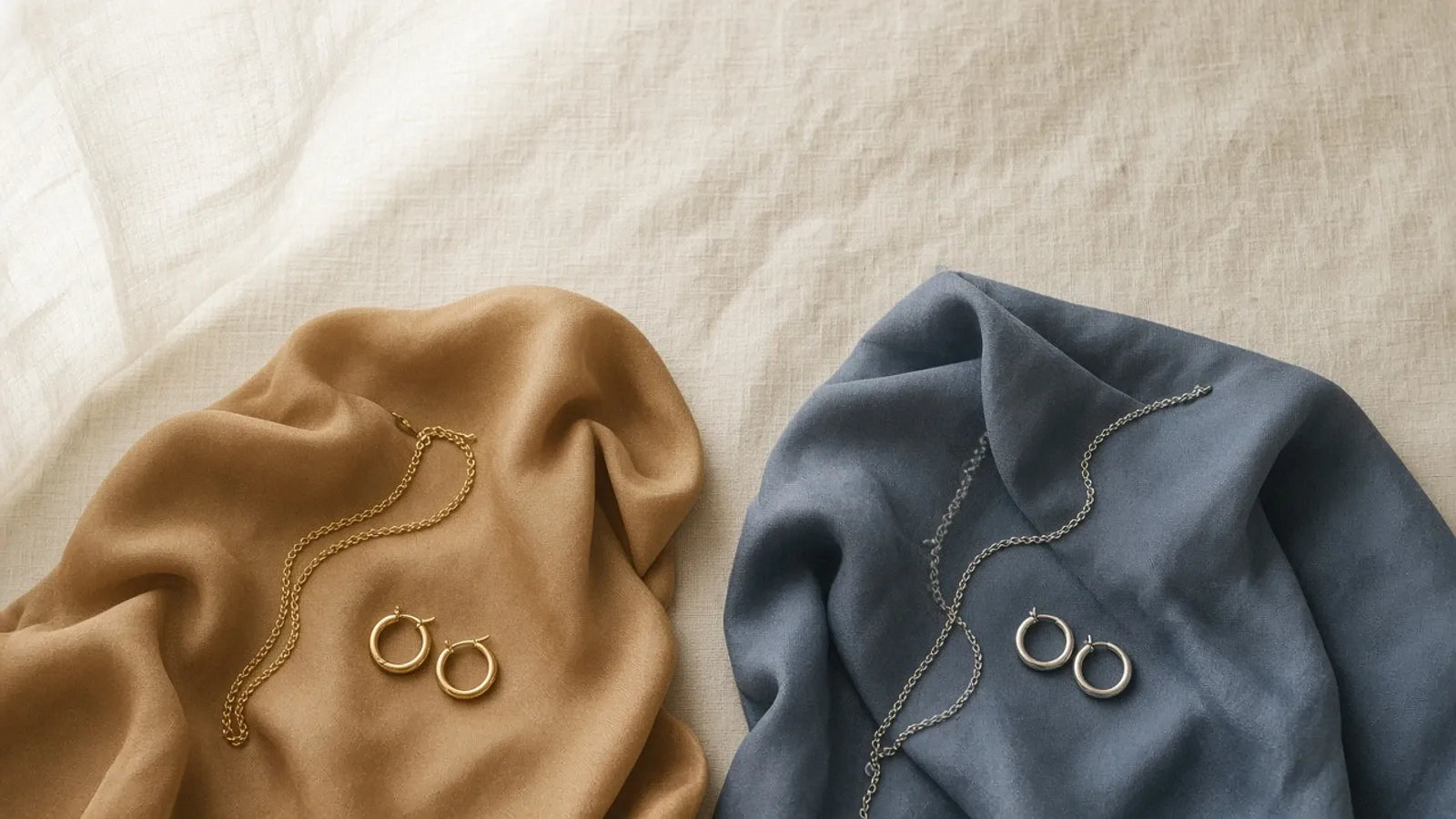
Am I gold or silver? The undertone test, explained
Three quick tests — veins, jewelry, and white vs cream — plus the seasonal metal map, mixed-metal rules, and what to do with inherited pieces.
Jan 12, 2026
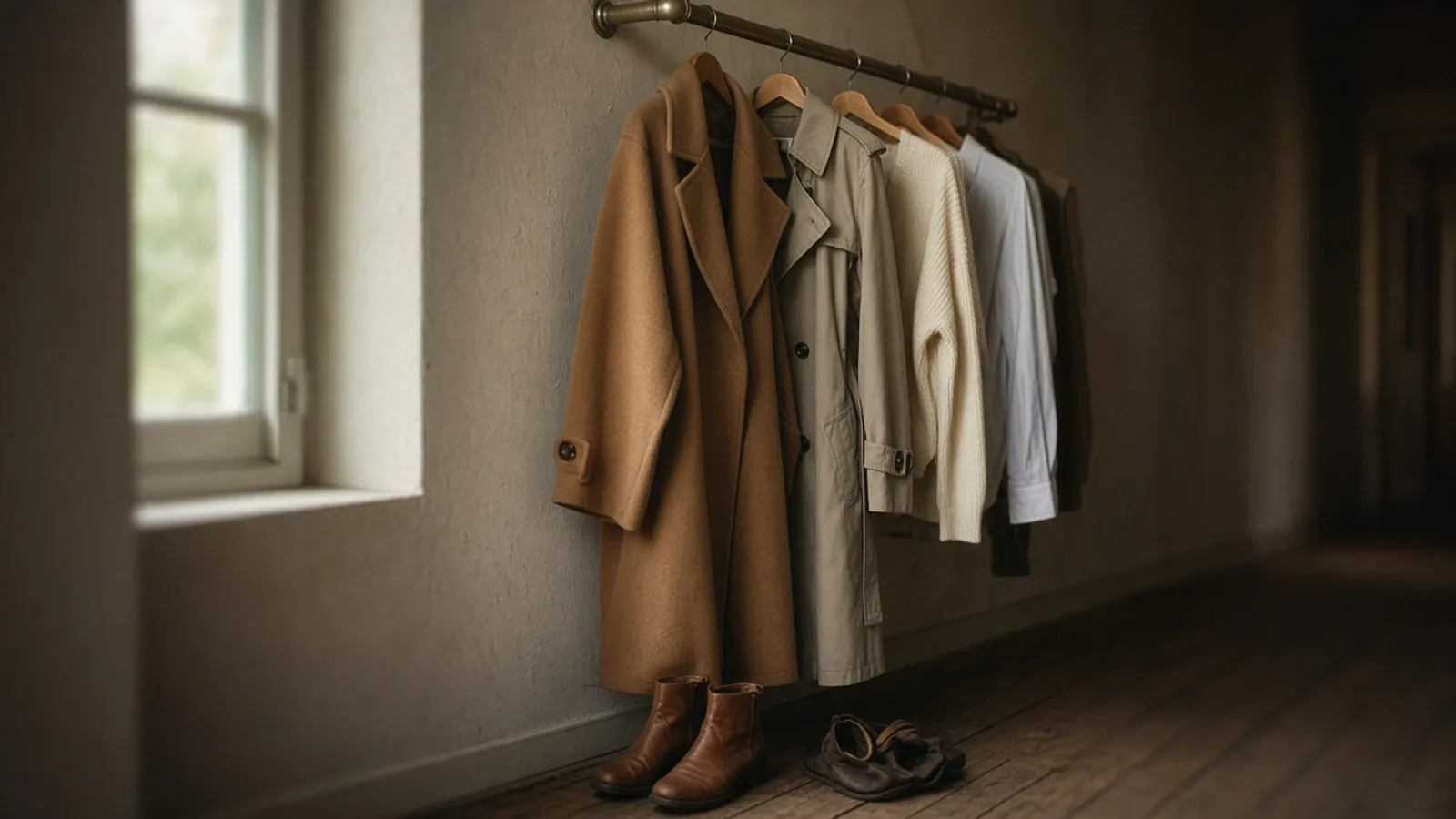
The in-between wardrobe: winter to spring without the panic
It is 40 in the morning and 65 by lunch. A three-layer system, the pieces to keep out, and a weekend swap that does not require a new wardrobe.
Jan 6, 2026
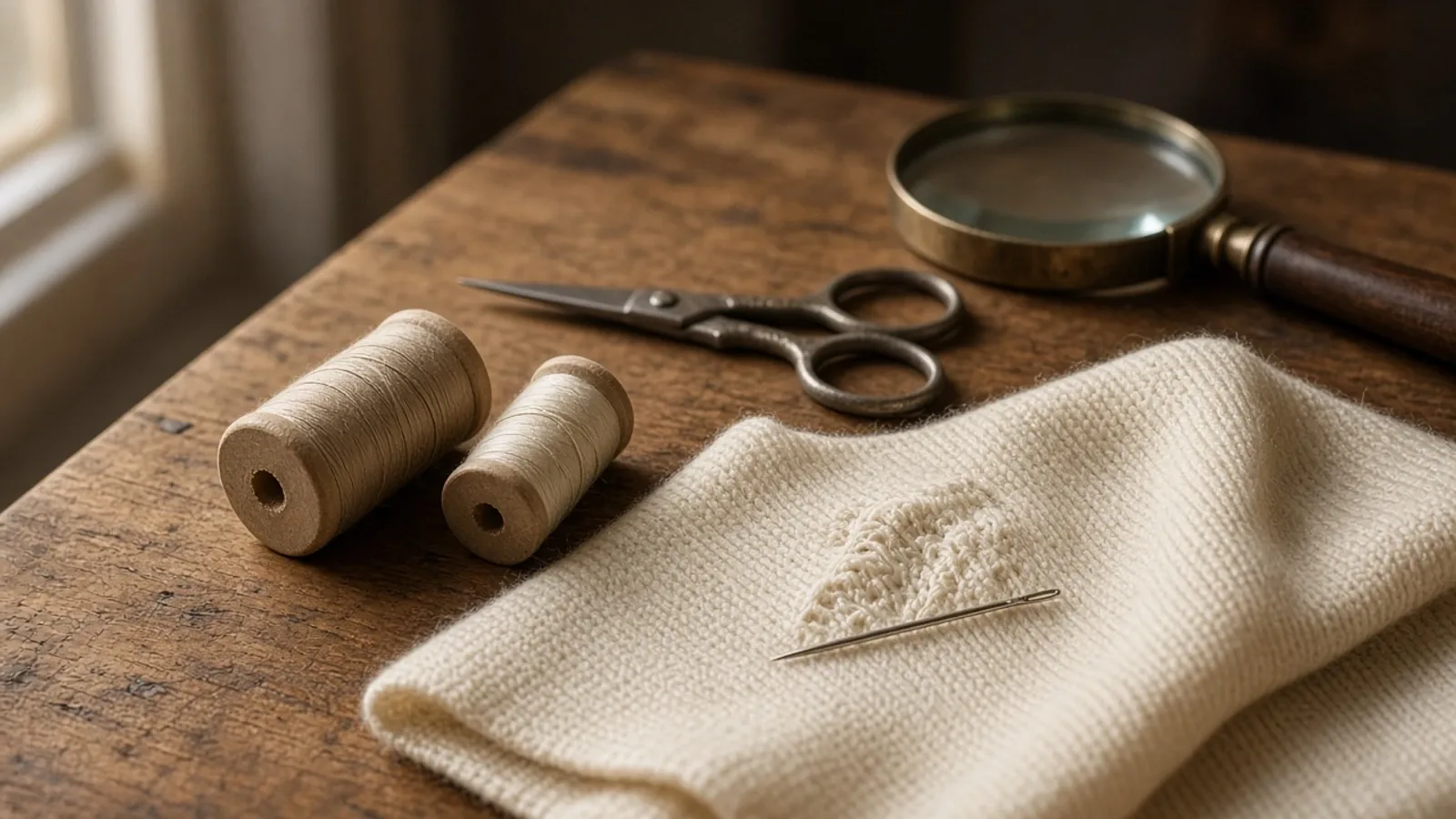
Invisible mending: what it can and cannot fix
Reweaving a moth hole is not the same as fixing a felted jumper. What invisible mending can repair, what it cannot, and when the math favors repair.
Dec 31, 2025