The three denim washes your season needs
In short
Denim is a color decision before it is a fit decision. Here are the three washes worth owning for each of the 12 color seasons, and the black pair most women should skip.
- Buy one light, one mid and one dark wash, and add black only if your palette is a winter; the mid-blue pair is the safest single jean for most seasons.
- Wash is a value and a temperature before it is a brand name, so hold the denim under your chin in daylight and reject any pair that turns your jawline grey or yellow.
- A pair that passes the daylight, jawline, shoe, seated and phone-photo tests is a better buy than a pair that fits perfectly but fights your colouring.
By Cici
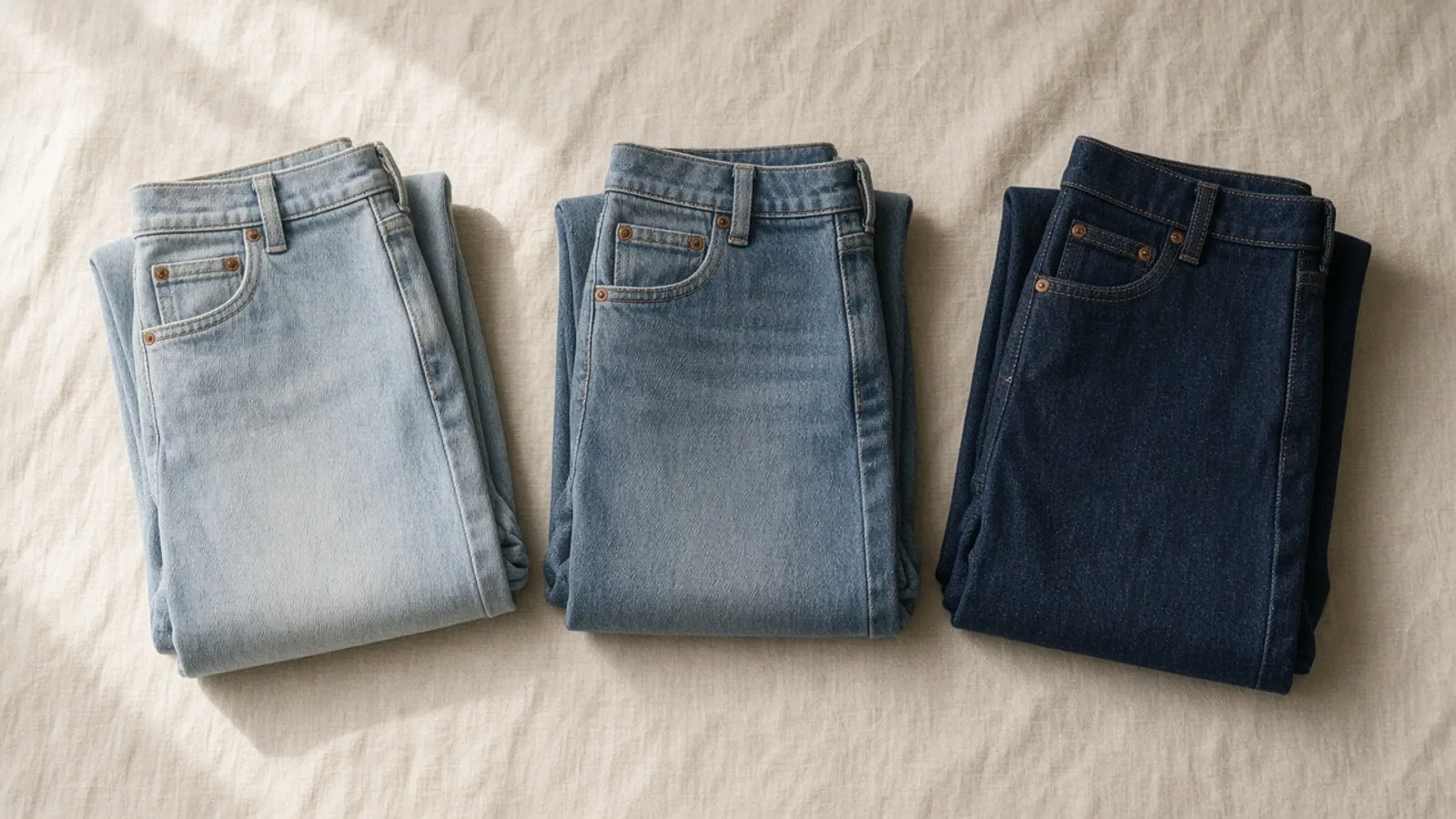
Most denim advice starts with fit. Fit matters. But the wash decides whether your face looks lit or tired before anyone sees the cut.
Wash is a color decision. It has a value (how light or dark it is) and a temperature (how warm or cool the blue reads). Your season already tells you which values and temperatures work. So instead of buying another pair because the rise looked good on someone else, buy the three washes your palette can actually use.
The short answer: three washes, one metal
| Season | Best wash | Second | Third | Hardware |
|---|---|---|---|---|
| Light Spring | Light wash | Ecru | Soft mid | Gold |
| True Spring | Mid wash | Light wash | Warm ecru | Gold |
| Bright Spring | Mid wash | Bright ecru | Dark indigo | Gold or silver |
| Light Summer | Light wash | Gray-blue | Soft mid | Silver |
| True Summer | Mid wash | Dark indigo | Gray wash | Silver |
| Soft Summer | Mid wash | Gray wash | Soft ecru | Silver or rose gold |
| Soft Autumn | Mid wash | Warm ecru | Dark indigo | Gold |
| True Autumn | Dark indigo | Warm mid | Ecru | Gold |
| Deep Autumn | Dark indigo | Espresso black | Warm mid | Gold |
| Deep Winter | Dark indigo | Black | Icy ecru | Silver |
| True Winter | Black | Dark indigo | Optic white | Silver |
| Bright Winter | Black | Dark indigo | Bright white | Silver |
If you only remember one line: buy one light, one mid, and one dark; add black only if you are a winter. The rest is styling.
Wash is a value, not a brand name
Denim labels are inconsistent. One brand’s “medium blue” is another’s “dark wash.” What matters is the value: how much light the fabric reflects.
- Light wash: pale blue, high value, low contrast against most skin. It reads casual and warm-weather, but it can wash out a deep winter or a high-contrast autumn.
- Mid wash: the classic blue. It is the safest single pair for most seasons because it sits in the middle of the value range.
- Dark indigo: deep, cool, and formal enough for dinners and offices. It is the closest denim gets to a neutral trouser.
- Ecru: undyed or overdyed cream. It is warm, and it behaves like a light neutral rather than a blue.
- Black: the highest contrast. It is a winter neutral, not a universal one.
The palette data supports the split: the seasons with the deepest natural contrast (winters) carry black in their neutral lists; springs and summers generally do not. That is why black denim can look severe on a light spring and completely ordinary on a true winter.
The three-wash rule
The goal is not a denim collection. It is a small set where every pair has a job.
- Start with your mid wash. It is the pair you will wear most, and the one that works with the widest range of tops. If you are a summer or autumn, make it a true mid-blue, not a gray or a warm tan.
- Add your light or ecru. This is the pair for white shirts, knitwear, and spring. Light springs and light summers get the most from it; deep seasons can use it as a contrast piece, not a base.
- Add your dark. Dark indigo for most seasons, black for winters. This is the pair that reads dressed-up with a blazer and a loafer.
Then stop. A fourth pair is usually a variation you already own, and it costs more per wear than the three you actually reach for. The 30-wear rule is the right filter before you add anything.
Black denim is a winter neutral
Black denim is sold as a basic. It is not basic for everyone. On a light spring or a soft summer, a true black pair can create a hard line at the waist and drain the face. On a deep winter or a true winter, it is the most useful dark in the closet.
If you are not a winter, the substitute is not “washed black.” It is dark indigo, espresso, or charcoal. These give you depth without the severity. The same logic applies to your other neutrals; the neutral roles guide explains which dark belongs to your palette.
How to read your season in denim
You do not need to memorize twelve rows. Ask three questions in the mirror:
- Depth: does your natural coloring sit light, medium, or deep? Light seasons should keep denim in the light-to-mid range. Deep seasons can carry dark indigo and black.
- Contrast: is there a strong difference between your hair, skin, and eyes? High-contrast seasons (bright spring, bright winter, deep winter) can wear a strong value jump: black with white, dark indigo with ecru. Low-contrast seasons look better in tonal combinations.
- Temperature: does your skin react better to warm gold or cool silver? Warm seasons should choose denim with a warmer, slightly yellow-blue cast and gold hardware. Cool seasons should choose a cooler, grayer blue and silver hardware.
If you are unsure, the free color analysis quiz narrows it down. The jewelry metal test is a useful cross-check, because hardware is the cheapest way to see whether warm or cool is right.
The details that change the wash
Two pairs can be the same color and behave differently because of the finish.
- Whiskering and fading lighten the thigh and hip. That is a value change, not a detail. If you are a deep season, heavy fading can make the pair read too casual and too light.
- Raw denim starts dark and stiff, then fades to your body. It is the best option for a deep autumn or winter who wants a pair that ages into the right value.
- White stitching on dark denim adds contrast and reads more casual. Tonal stitching reads cleaner and more formal.
- Hardware is the fastest temperature test. Gold buttons on a cool-blue wash fight each other; silver on a warm ecru can look cold.
How to test a pair in ten minutes
- Take the pair to a window with daylight. Store lighting lies.
- Hold the denim under your chin, then look at your jawline. If the skin looks gray or sallow, the wash is wrong.
- Put on the shoes you would actually wear. A light wash with a dark shoe cuts the leg; a dark wash with a light shoe lengthens it.
- Sit down. The waist and rise change more than the mirror shows.
- Take a phone photo in daylight. The camera will show the contrast more honestly than your eye.
If the pair passes all five, it is a better purchase than a pair that fits perfectly but fights your coloring. The capsule wardrobe guide shows how to fit it into a small rotation, and the colors that age you explains the face-framing effect in more detail.
Who this is not for
If you already own one pair of jeans and wear it constantly, you do not need three washes. Wear the pair that works.
If you love black denim and you are not a winter, keep it. The rules here are a filter, not a prohibition. Just do not buy a second black pair expecting a different result.
And if you are shopping for a specific fit — barrel, wide-leg, straight — solve the fit first, then use this guide to choose the wash. The two decisions are separate, and confusing them is how wardrobes end up with five pairs of the same blue jean.
Method and limits
This guide maps the twelve seasonal palettes to five denim values: light, mid, dark indigo, ecru, and black. The season recommendations use each palette’s depth, contrast, undertone, neutrals, and metals from the CiciTrends Color System. The value language follows the sRGB lightness model used on the web; the technical definition is in the CSS Color 4 specification. General background on denim and indigo dyeing is in the Denim reference.
Wash names vary by brand, and a pair fades with wear. Treat the table as a starting filter, then judge the actual fabric in daylight.
Direct answers
Frequently asked questions
How many pairs of jeans do I actually need?
Three: one light or ecru, one mid-blue and one dark indigo, with black replacing dark indigo only if you are a winter. A fourth pair is usually a variation you already own and costs more per wear than the three you reach for.
Is black denim a basic?
Not for everyone. Black carries the highest contrast, and the palettes with the deepest natural contrast, the winters, are the ones that list it as a neutral. On a light spring or a soft summer it can create a hard line at the waist and drain the face.
What should I wear with black jeans if black washes me out?
Keep the black away from your face: a white or cream top, a light knit, or a jacket in your own dark neutral. If the severity is the problem rather than the colour, substitute dark indigo, espresso or charcoal for the same depth with less hardness.
Does denim hardware matter if I only wear silver jewellery?
Hardware is the cheapest temperature test you own. Gold buttons on a cool-blue wash fight each other, and silver on a warm ecru can look cold. Cool seasons should choose grayer blues with silver, warm seasons warmer yellow-blue casts with gold.
About the author

The editorial voice of CiciTrends. Color, fit, and the small decisions that make a wardrobe work. Written by an AI-assisted desk under human direction.
Reporting, sourcing and AI disclosure:/editorial-standards/
Keep reading
Related stories
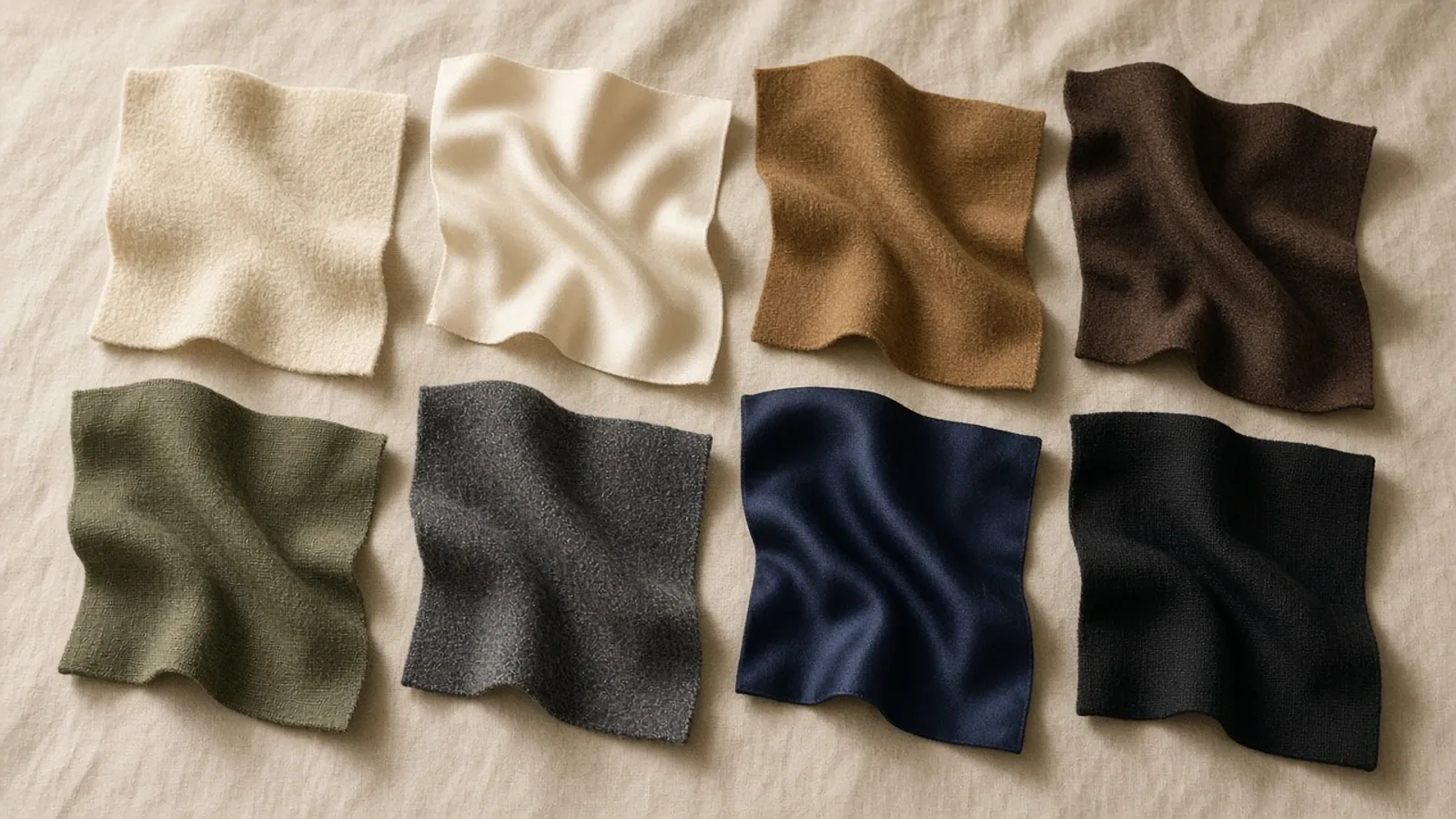
The 8 neutrals every palette needs
All 60 neutrals in the Color System were counted. Only two colors repeat in five seasons. The eight neutral roles worth buying, and the black almost nobody should own.
Nov 4, 2026
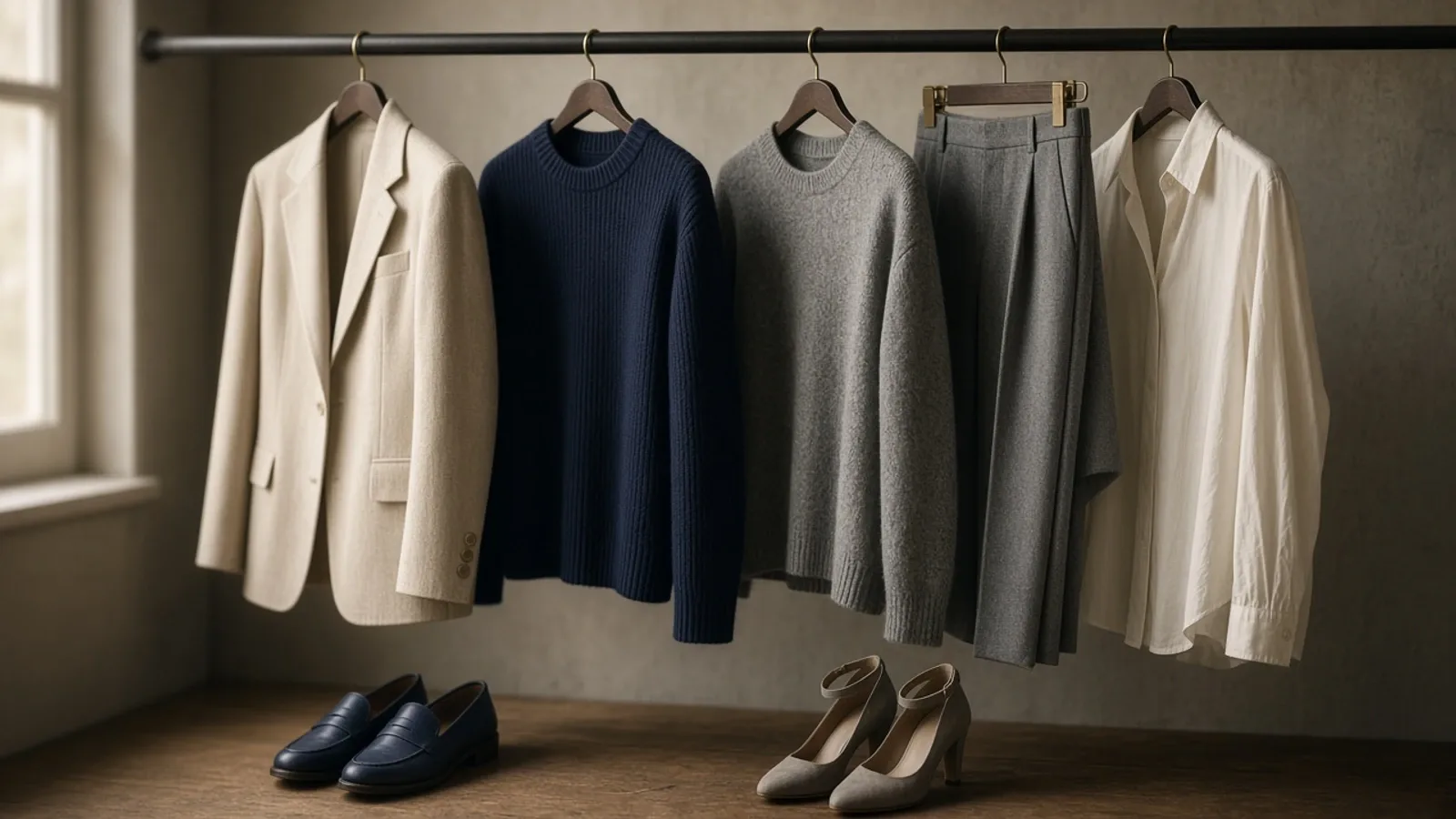
The five-piece workweek capsule
Five pieces, ten outfits, one workweek. A capsule that works because the colors do, not because you own more. Includes the matrix and what to spend on.
Nov 4, 2026

Winter wedding guest outfits by color season
A winter wedding is a color problem and a layering problem. Here is the guest outfit formula for all 12 color seasons, with specific palette colors and one coat rule.
Nov 4, 2026