The five-piece workweek capsule
In short
Five pieces, ten outfits, one workweek. A capsule that works because the colors do, not because you own more. Includes the matrix and what to spend on.
- One blazer, one trouser, one fine knit, one shirt and one dress give ten workweek outfits, but only if all five share two neutrals and one accent.
- Spend on the blazer and the trouser, which carry the structure and collect the wears; save on the knit and the shirt, which are the pieces most likely to wear out.
- A blazer worn three times a week for two seasons earns its price; an accent skirt worn twice a month does not, so apply the thirty-wear test before adding either.
By Cici
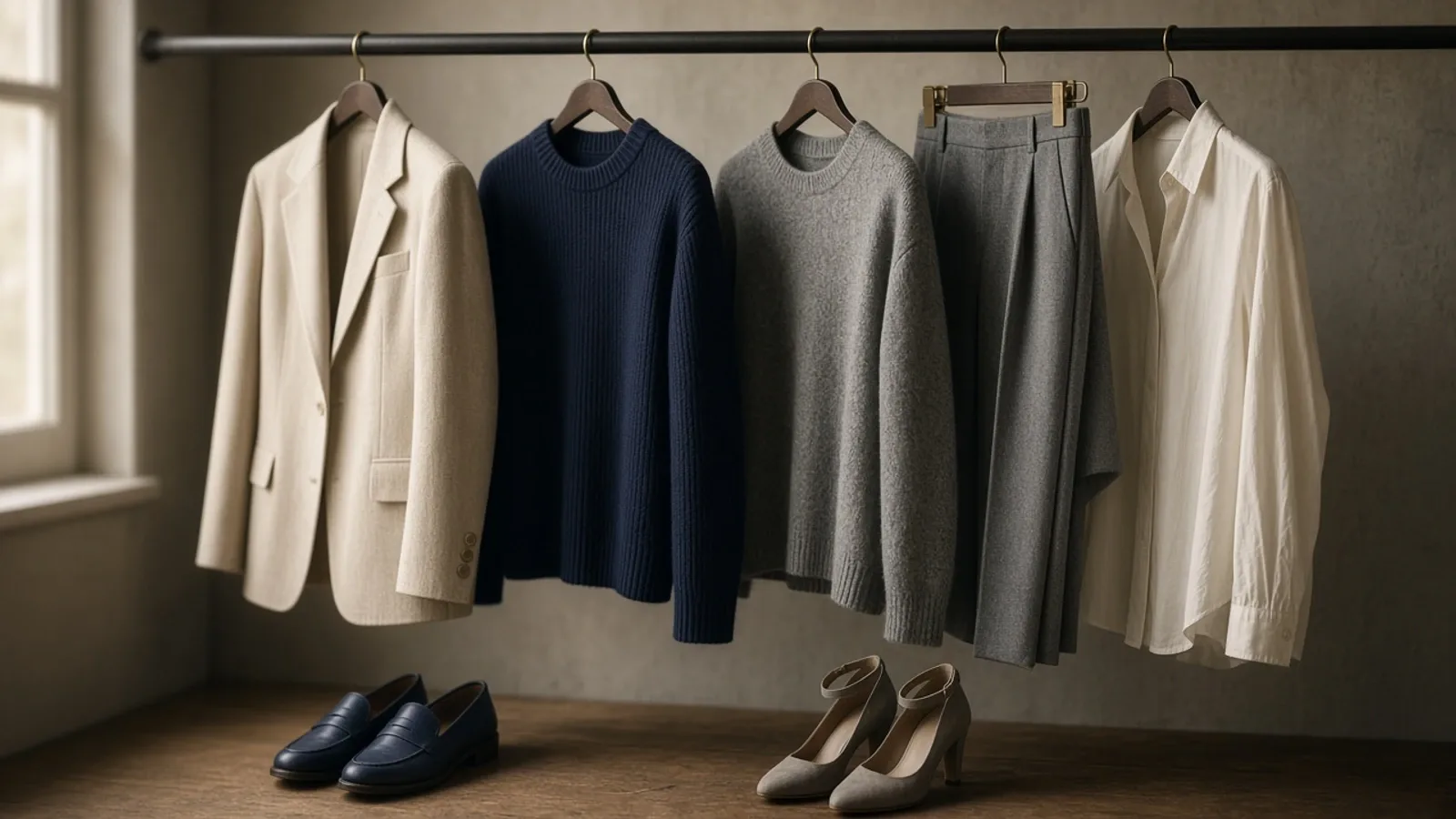
Most workweek capsules fail because they are built around a number of garments instead of a color system. Five pieces that do not share a palette give you five outfits and a headache. Five pieces that do share one give you a matrix.
This is the smallest version worth recommending for a Monday-to-Friday wardrobe: one blazer, one trouser, one fine-knit top, one button-down shirt, and one midi dress or skirt. Ten combinations, one shoe change, and no morning negotiation.
The five pieces
- A tailored blazer in your darkest neutral. Not oversized, not cropped; a shoulder seam that sits on your shoulder and a hem at the hip.
- A straight-leg trouser in the same neutral family, or one step lighter. The rise should sit where you actually wear your tops.
- A fine-knit top in a lighter neutral. Crew or scoop neck, long enough to tuck or leave out.
- A button-down shirt in white, cream, or a pale version of your accent. This is the layering piece and the “I have a meeting” piece.
- A midi dress or skirt in your accent color. One piece that can be dressed up with the blazer and down with the knit.
Two neutrals plus one accent is the whole color rule. If your neutrals are navy and gray, the accent can be burgundy or emerald. If they are camel and cream, the accent can be rust or forest. The accent is what stops the capsule from looking like a uniform; the neutrals are what make every piece work with every other piece. The bag should be one of your neutrals too; the three-bag rotation covers which three are worth owning.
If you do not know your palette, the free color analysis quiz is the fastest starting point, and the neutral roles guide explains which version of each neutral belongs to you.
The ten outfits
| # | Pieces | Shoe | Best for |
|---|---|---|---|
| 1 | Shirt + trouser + blazer | Loafer or low heel | Presentations, client days |
| 2 | Knit + trouser + blazer | Loafer | A normal Tuesday |
| 3 | Shirt + skirt | Flat or low heel | Warmer days, casual office |
| 4 | Knit + skirt | Ankle boot | Cooler days |
| 5 | Dress + blazer | Low heel | Dinner after work |
| 6 | Dress + knit over the shoulders | Flat | Travel, long days |
| 7 | Shirt open over the dress | Sneaker or flat | Creative office |
| 8 | Knit + trouser | Sneaker | Remote days, errands |
| 9 | Skirt + blazer + knit | Boot | Cold office |
| 10 | Dress + belt or scarf | Any of the above | When you need a change |
That is not a list of trends. It is a set of combinations that already work because the colors and the shapes were chosen to work together. The capsule wardrobe guide goes deeper on the color logic; the denim washes guide covers the casual version.
Why five pieces is enough
The math is simple. Five pieces do not produce five outfits; they produce combinations. The limit is not the number of garments, it is the number of pieces that share a palette and a level of formality.
A five-piece capsule also makes the cost-per-wear audit look different. If the blazer is worn three times a week for two seasons, it can justify a higher price. If the accent skirt is worn twice a month, it should not.
The capsule concept itself is not new; Capsule Wardrobe Academy has been teaching small-wardrobe systems for years. What is different here is the color constraint: every piece comes from your seasonal palette, so the combinations are decided before you get dressed.
What to spend on, what to save on
- Spend on the blazer and the trouser. These are the pieces that carry the structure and get the most wears. Fabric, lining, and a good tailor matter more than the label.
- Save on the knit and the shirt. A fine-knit top and a cotton shirt can be inexpensive if the fit is right. They are also the pieces most likely to wear out.
- Spend on the dress only if it has two jobs. A midi that works with the blazer and alone is worth more than a statement dress that needs its own occasion.
- Do not spend on a fourth neutral. Most capsules fail by adding another beige, another gray, another black. Add the accent instead, or replace the weakest piece.
The 30-wear rule is the filter for every one of these purchases. If a piece will not earn thirty wears, it does not belong in a five-piece capsule.
Adapt it to your season
- Warm palettes: camel, cream, chocolate, rust, olive. Gold hardware.
- Cool palettes: navy, charcoal, dove gray, burgundy, emerald. Silver hardware.
- Light palettes: keep the contrast low and the values close. A cream blazer over a stone trouser is stronger than black over white.
- Deep palettes: keep the contrast high. A dark blazer over a light shirt is the whole look.
- Bright palettes: use the accent on the piece nearest the face, and keep the rest of the outfit quiet.
The winter wedding guide uses the same palette logic for occasion dressing; the workweek capsule is simply the everyday version.
Who this is not for
If your workplace has a uniform, a strict dress code, or a creative dress culture where a blazer reads wrong, this capsule is not the answer. Adapt the formula: swap the blazer for a structured cardigan, or the trouser for a dark denim if the office allows it.
If you already have a work wardrobe that works, do not rebuild it. Use the matrix as a check: can you make ten outfits from what you own? If yes, you are done.
And if you hate the idea of a capsule, that is fine. The goal is not a smaller wardrobe for its own sake. It is a wardrobe where the pieces agree with each other.
Method and limits
This capsule is derived from the CiciTrends Color System and the wardrobe math in the CiciTrends capsule and cost-per-wear guides. It assumes a business-casual to business-formal workplace and a temperate climate. It is a template, not a rule; adjust the pieces to your dress code, your body, and your actual week.
Sources
- Capsule Wardrobe Academy — small-wardrobe systems and the capsule concept.
- The CiciTrends Color System — the 12 seasonal palettes used for the color constraint.
Direct answers
Frequently asked questions
How many outfits can I get from five work pieces?
Five pieces in a shared palette give ten outfits: shirt, trouser and blazer for client days, knit and skirt for cooler days, the dress with the blazer for dinner, and the shirt worn open over the dress on creative days.
Which pieces of a work capsule are worth spending on?
Spend on the blazer and the trouser, because they hold the shape and get the most wears, and fabric, lining and a good tailor matter more than the label. Save on the fine knit and the cotton shirt, which wear out fastest.
What shoes work with a five-piece work capsule?
One loafer or low heel covers most of the ten combinations, with an ankle boot for the skirt on cold days and a plain sneaker for remote days. Keep the shoe in a neutral from your palette so it works with every bottom.
How do I adapt a work capsule to my colour season?
Keep the same five roles and change the versions: warm palettes take camel, cream, chocolate and rust with gold hardware, while cool palettes take navy, charcoal, dove grey and burgundy with silver. Light palettes keep the values close; deep palettes keep the contrast high.
About the author

The editorial voice of CiciTrends. Color, fit, and the small decisions that make a wardrobe work. Written by an AI-assisted desk under human direction.
Reporting, sourcing and AI disclosure:/editorial-standards/
Keep reading
Related stories
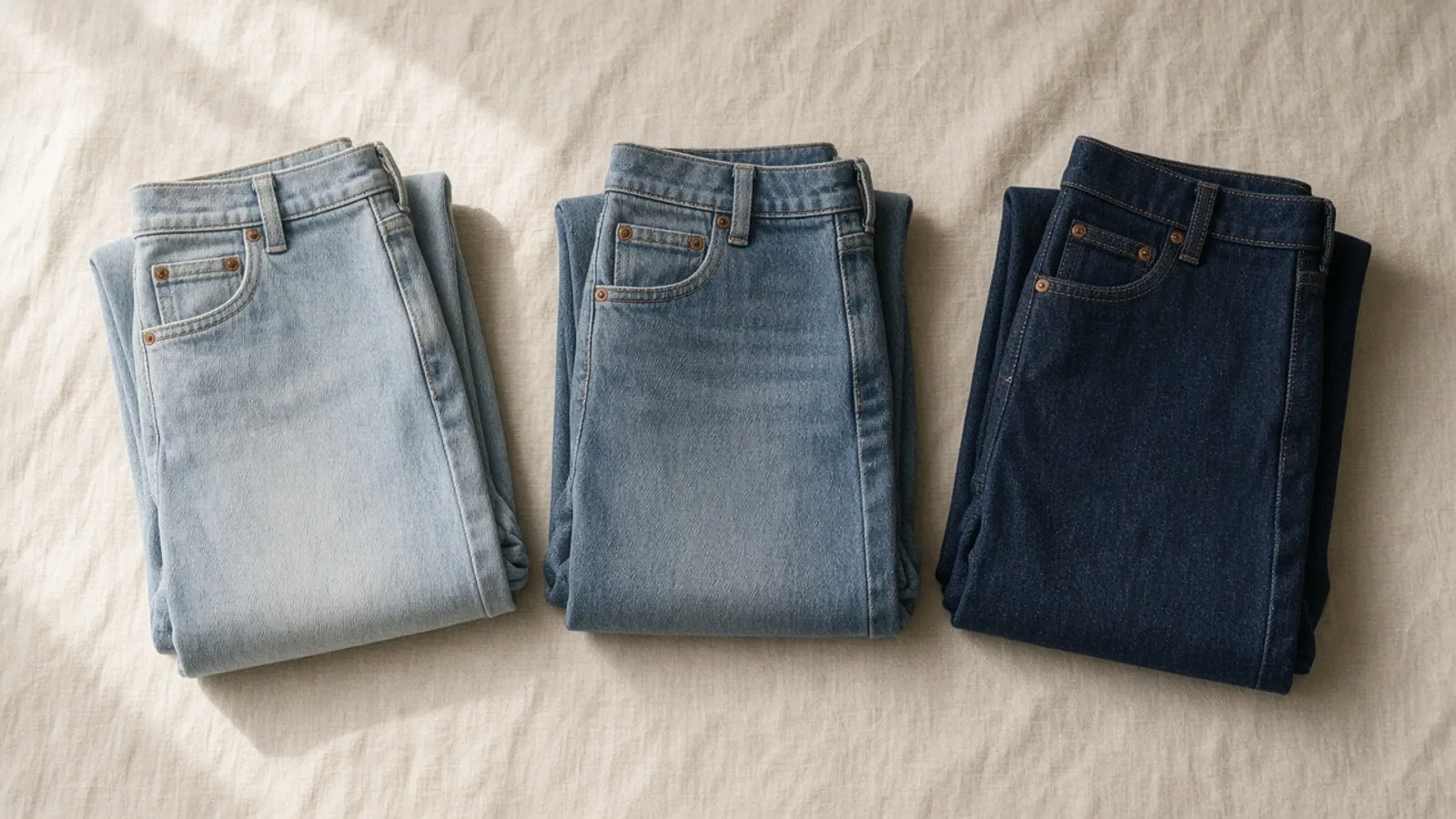
The three denim washes your season needs
Denim is a color decision before it is a fit decision. Here are the three washes worth owning for each of the 12 color seasons, and the black pair most women should skip.
Nov 4, 2026
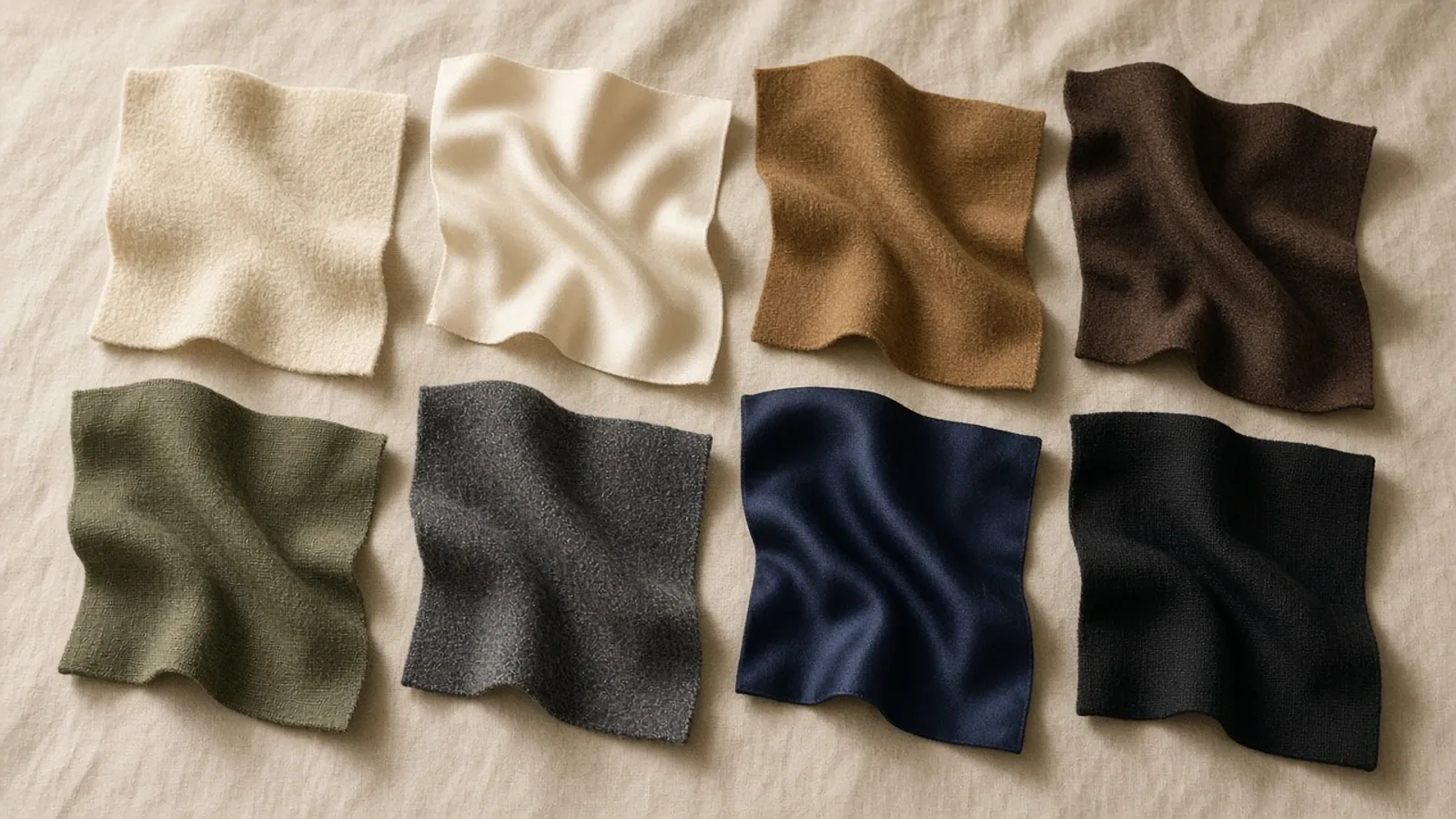
The 8 neutrals every palette needs
All 60 neutrals in the Color System were counted. Only two colors repeat in five seasons. The eight neutral roles worth buying, and the black almost nobody should own.
Nov 4, 2026
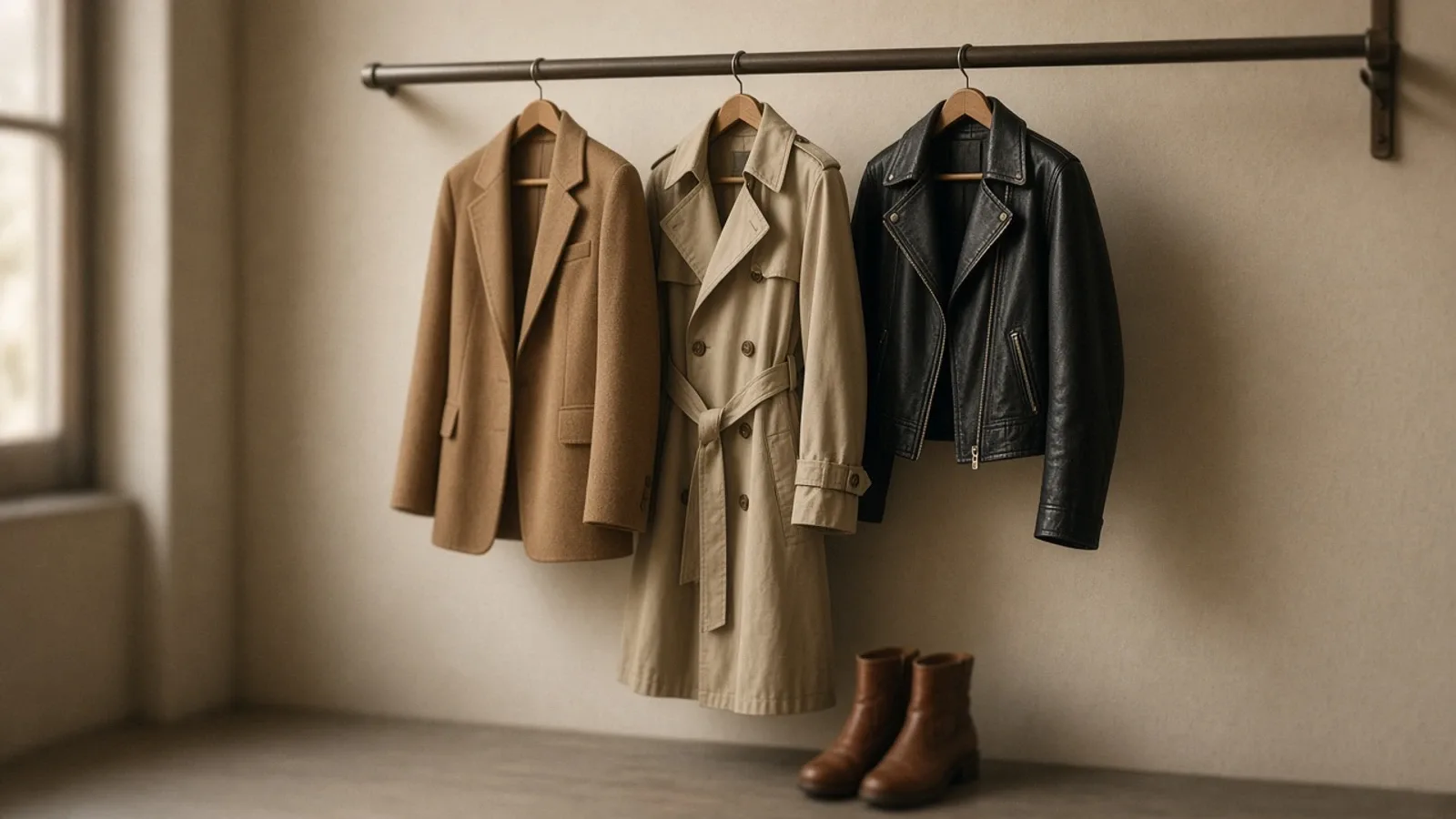
The three-jacket wardrobe
Three jackets, three jobs, one palette: the blazer, the trench, and the cropped jacket, with the proportions and color rules that make them work together.
Nov 5, 2026