The Cost-Per-Wear Audit: What Your Wardrobe Actually Costs
In short
A cost-per-wear audit turns a closet full of maybes into a decision. The formula, the thresholds, and the one number most shoppers never calculate.
- Cost per wear is price divided by wears: a $200 jacket worn 100 times costs $2 a wear, while the same jacket worn twice costs $100 a wear.
- Sort every piece into three buckets: under $5 a wear is a workhorse worth repeating, $5 to $20 needs restyling or repair, and over $20 flags a fit or colour mistake.
- Before buying, apply the thirty-wear test and the colour rule: the item should work with at least three pieces you already own, in a shade from your palette.
- Add dry cleaning, repairs and alterations to the numerator, because a cheap garment that needs upkeep can cost more per wear than a pricier one that does not.
By Cici

The cost-per-wear calculation is simple: price divided by wears. The hard part is being honest about the number of wears.
Most wardrobes contain a few pieces that earn their keep and a long tail that does not. A cost-per-wear audit makes that tail visible. It also gives you a rule you can use in the fitting room, before the receipt.
What cost per wear actually measures
Cost per wear (CPW) is the purchase price divided by the number of times you wear the item:
CPW = price ÷ wears
A $200 jacket worn 100 times costs $2 per wear. The same jacket worn twice costs $100 per wear. The jacket did not change. The decision did.
This is not a frugality trick. It is a way to compare items that have different prices and different jobs. A $300 pair of boots you wear three times a week for two winters is cheaper per wear than a $60 pair that falls apart in a season. A $40 dress worn once is more expensive than a $400 coat worn every week.
The number also exposes the real cost of “saving money” on a sale rack. A discounted item you never wear has an infinite cost per wear. A full-price item you wear constantly has a low one.
Why it matters beyond the bank account
The environmental case is not a side note. The Ellen MacArthur Foundation’s textiles work found that the average garment is worn only a handful of times before being discarded, and textile production is a significant source of emissions and waste. Buying fewer, better, and wearing them longer is the most direct lever a consumer has.
That does not require a perfect capsule wardrobe. It requires a filter. Cost per wear is that filter.
The drawer you avoid
Start with the drawer you avoid. On a Sunday evening, before the week fills up, pull out the top layer and lay it on the bed: the black skirt whose label scratches, the pale blue knit that looked soft under the shop lights, the boots that pinch at the toe. Leave the hangers on the rail and keep the overhead light off. Pick up one piece at a time and weigh it in your hand. The wool coat has weight; the silk dress has none. Ask when you last wore it, not whether you still like it, and notice the small, sheepish shrug that follows. That shrug is data. A piece you would not wear on a Tuesday morning is a piece that costs more per wear than the price suggests, whatever you paid and however slick the lining felt in the changing room.
The audit, step by step
Set aside an hour. You need a notebook or a spreadsheet, your purchase history if you have it, and a willingness to be unflattering about your own closet.
1. Inventory by category
Pull everything out, or work one category at a time: tops, bottoms, dresses, outerwear, shoes, accessories. For each piece, record:
- Purchase price (estimate if you cannot remember)
- Date bought (approximate is fine)
- Number of wears (be honest; a rough count is enough)
If tracking wears sounds tedious, an app such as Stylebook can log outfits and calculate the number for you. A notes app and a photo of each outfit works too.
2. Calculate
| Cost per wear | What it tells you | What to do next |
|---|---|---|
| Under $5 | The workhorses, worn often enough to earn their space | Buy the same shape and colour again |
| $5 to $20 | The maybe pile, wearable but never reached for | Restyle it, repair it, or wear it more |
| Over $20 | A red flag on fit, colour, occasion or quality | Diagnose the cause before buying anything similar |
| Price plus upkeep | Dry cleaning and repairs belong in the numerator | Add them before judging a cheap piece |
Use the formula. For a quick pass, group items into three buckets:
- Under $5 per wear: the workhorses. These are the shapes and colors you should buy again.
- $5 to $20 per wear: the maybe pile. Can you wear it more, style it differently, or repair it?
- Over $20 per wear: the red flags. Why is it not being worn? Fit, color, occasion, or quality?
Do not average the whole closet. The average hides the outliers, and the outliers are the point.
3. Diagnose the red flags
A high CPW is information, not a moral judgment. The cause is usually one of five things:
- Fit. It never quite worked, and you kept it because returning felt like failure.
- Color. It does not work with the rest of your wardrobe or with your coloring.
- Occasion. You bought it for a life you do not actually live.
- Quality. It pilled, faded, or lost shape, so you stopped reaching for it.
- Decision fatigue. It is fine, but it is not the first thing you grab.
Each cause has a different fix. Fit and color are buying rules. Occasion is a planning rule. Quality is a brand rule. Decision fatigue is a wardrobe design problem, which is where a capsule wardrobe built on your seasonal colors helps.
4. Sell, donate, or repurpose
The point of the audit is not to punish yourself for past purchases. It is to recover value and clear space. Resale platforms such as Poshmark work for pieces with resale value; donation works for the rest. A tailor can fix some fit problems for less than the cost of replacing the item.
5. Set three buying rules
Use your own data, not a generic rule. The three that survive most audits:
- The 30-wear rule. Before buying, ask whether you will wear it thirty times. If the answer is no, it is a one-off, and it should be rented, borrowed, or bought at a price that reflects that. The full logic is in the 30-wear rule.
- The one-in, one-out rule. A new item enters only when something comparable leaves. This keeps the closet from silently expanding.
- The color rule. The item must work with at least three things you already own, in a color from your palette. The neutral roles guide and denim washes guide make this concrete.
What cost per wear does not capture
CPW is a useful number, not a complete philosophy. It does not measure joy, identity, or the value of a piece you wear once for a meaningful occasion. A wedding guest dress worn once can be worth it. A $12 top worn forty times can still be a bad purchase if it never feels like you.
It also does not capture maintenance. Dry cleaning, repairs, and alterations are part of the true cost. Add them to the numerator if you want the honest number.
And it does not solve overconsumption by itself. A closet of low-CPW items can still be too large. The goal is a wardrobe where most pieces are worn, not a wardrobe where every piece has a perfect ratio.
A ten-minute version
If an hour is too much, do this instead:
- Pick the ten items you wear most. Calculate their CPW.
- Pick the five items you have not worn in a year. Calculate their CPW.
- Compare the two lists. The difference tells you what to buy more of and what to stop buying.
That is enough to change the next purchase. The full audit can wait for a rainy Sunday.
Who this is not for
If you shop rarely and wear everything you own, you do not need a spreadsheet. If you love fashion as a hobby and rotate a large wardrobe, CPW is still useful, but it should not become a permission system that removes the pleasure.
And if you are in a season of life where money is tight, the answer is not always “buy the expensive one.” The right answer is often “buy the one you will actually wear,” at whatever price that is.
Sources
- Ellen MacArthur Foundation: A New Textiles Economy
- Stylebook for outfit and wear tracking
- Poshmark for resale
Direct answers
Frequently asked questions
What is a good cost per wear?
Under $5 a wear is the workhorse zone and the number to aim for on pieces you wear weekly. Between $5 and $20 is the maybe pile, worth restyling or repairing. Anything over $20 a wear is a red flag unless it is a single meaningful occasion.
How do I calculate cost per wear?
Divide the price by the number of times you wear the item. A $200 jacket worn 100 times comes out at $2 a wear; worn twice, the same jacket is $100 a wear. Add cleaning and repair costs to the price for a more honest figure.
What is the 30-wear rule?
Before buying, ask whether you will wear the item thirty times. If the answer is no, treat it as a one-off and rent, borrow or buy it at a price that reflects a single outing. If yes, the price is easier to justify.
How many things should a new purchase match?
The colour rule is at least three pieces you already own, in a shade from your palette. If a top only works with one skirt, it is not versatile, whatever the price. Pair that test with one-in, one-out to keep the closet from growing.
About the author

The editorial voice of CiciTrends. Color, fit, and the small decisions that make a wardrobe work. Written by an AI-assisted desk under human direction.
Reporting, sourcing and AI disclosure:/editorial-standards/
Keep reading
Related stories

The 30-wear rule: the shopping filter that survives a sale
Will you actually wear it thirty times? The rule, the math, the five questions to ask before you buy, and the exceptions worth making.
Dec 31, 2025
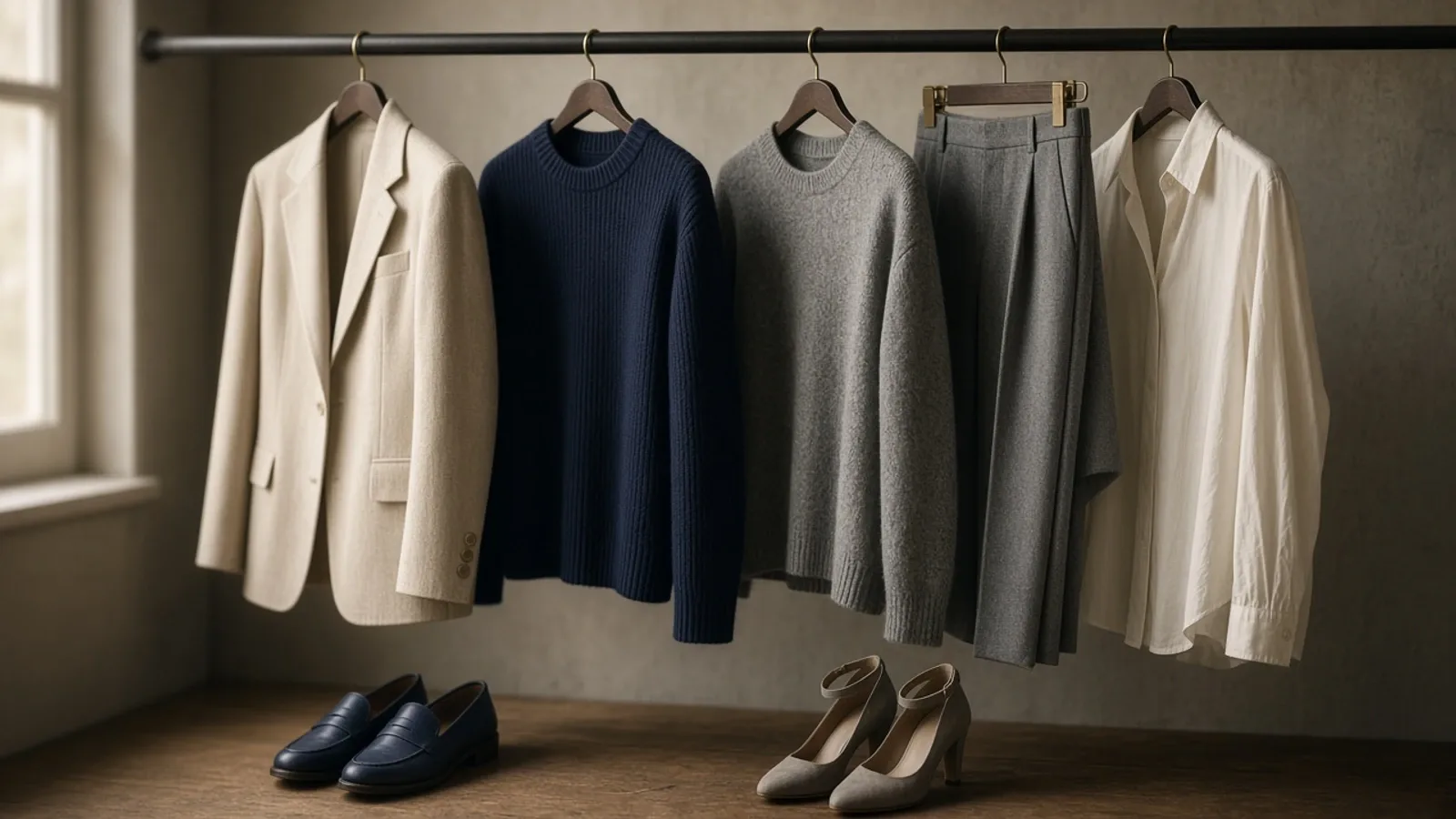
The five-piece workweek capsule
Five pieces, ten outfits, one workweek. A capsule that works because the colors do, not because you own more. Includes the matrix and what to spend on.
Nov 4, 2026
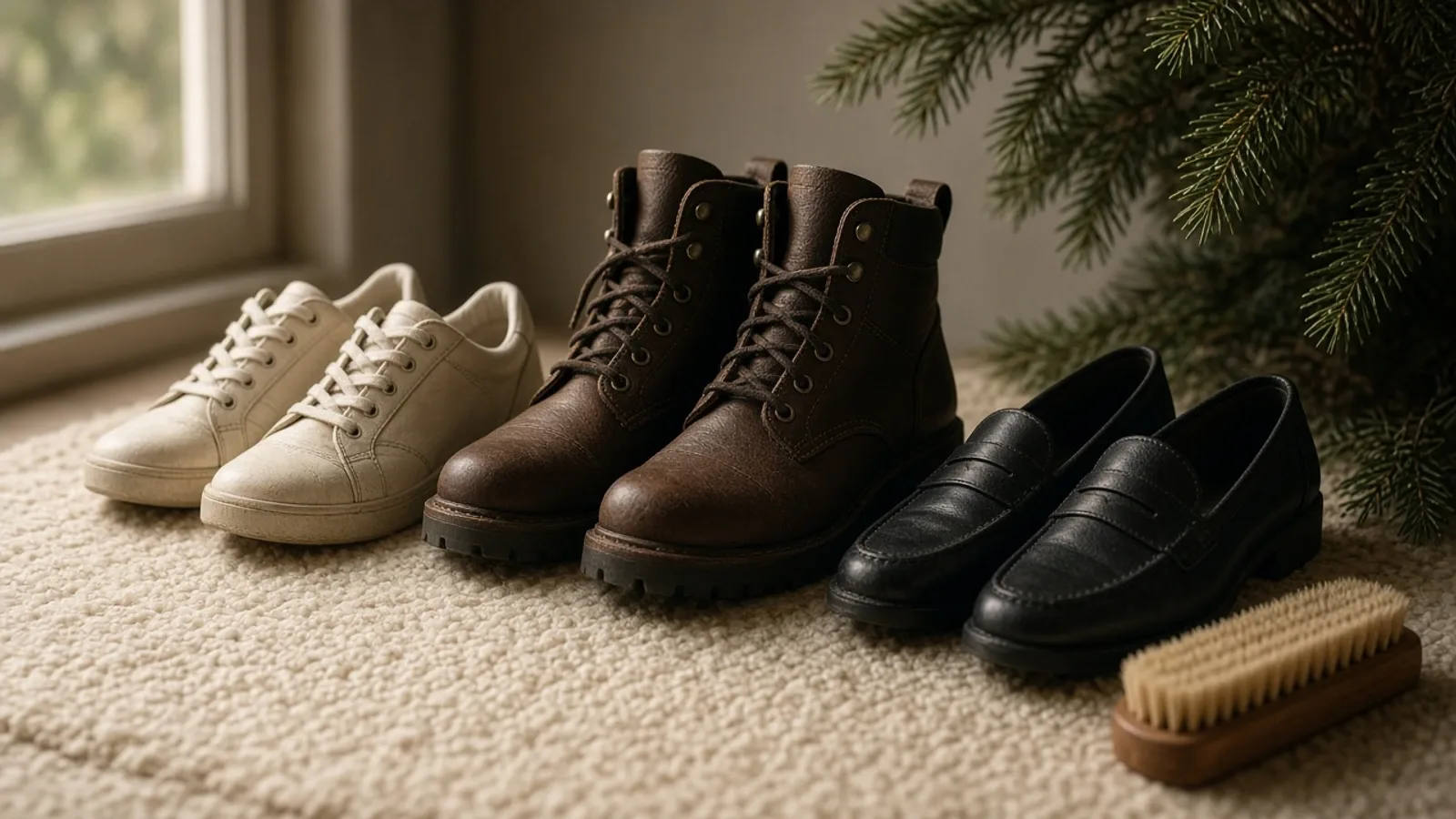
The three-shoe rotation: fewer pairs, more wear
An everyday pair, a weather pair, and a smart pair cover most of the week. The fit rules, the rotation, and when to replace them.
Jan 3, 2026