Winter wedding guest outfits by color season
In short
A winter wedding is a color problem and a layering problem. Here is the guest outfit formula for all 12 color seasons, with specific palette colors and one coat rule.
- Build the outfit from one anchor colour, one neutral and one metal: the anchor from your season's best palette, the coat and shoe from its neutrals, and the metal repeated in jewellery and hardware.
- Choose the winter coat from your neutral list and keep it one shade away from the dress, since a tonal difference reads richer in photographs than a coat that matches exactly.
- Let the dress code set fabric and length before colour: black tie wants velvet, satin, crepe or heavy silk, at floor length or an elegant midi, never day cotton or a casual knit.
- Match the tight to the shoe rather than the dress: a dark shoe with a dark tight lengthens the leg, while a light shoe over a dark tight cuts the line in half.
By Cici
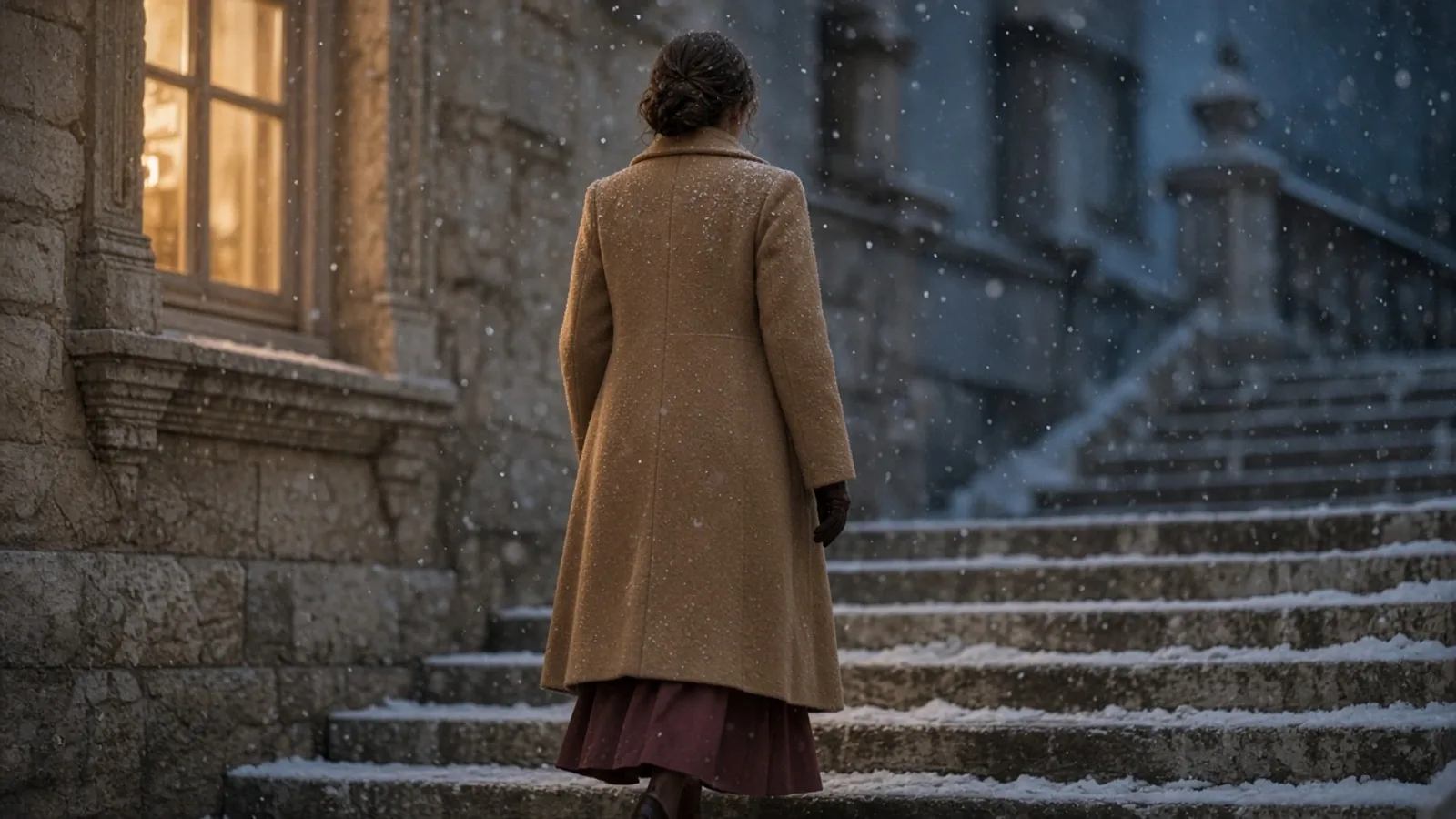
Winter weddings ask two questions at once: what color do I wear, and what do I wear over it? Most advice answers the first with black and the second with “a nice coat.” Both are lazy.
Your color season answers the first question. The venue and dress code answer the second. Put them together and you have an outfit that looks deliberate in photographs, warm enough for the walk from the car, and specific to you.
The short answer: one anchor, one neutral, one metal
| Season | Anchor colors | Metal | Best silhouette |
|---|---|---|---|
| Light Spring | Peach, coral, warm pink | Gold, rose gold | Soft midi with a wrap waist |
| True Spring | Emerald, turquoise, warm coral | Gold | Column or bias-cut slip |
| Bright Spring | Fuchsia, electric blue, bright coral | Gold or silver | Sharp tailored midi |
| Light Summer | Powder blue, soft pink, periwinkle | Silver, rose gold | Floaty midi with a fine strap |
| True Summer | Slate blue, raspberry, lavender | Silver | A-line or soft column |
| Soft Summer | Dusty rose, soft teal, mauve | Silver, rose gold | Bias midi in a matte fabric |
| Soft Autumn | Sage, soft rust, camel | Gold, rose gold | Knit dress or soft suit |
| True Autumn | Rust, olive, mustard | Gold | Wrap dress or velvet midi |
| Deep Autumn | Burgundy, forest, espresso | Gold | Structured midi or velvet suit |
| Deep Winter | Emerald, true red, black | Silver | Column with a clean shoulder |
| True Winter | True red, royal blue, pure white | Silver | Tailored midi or tuxedo |
| Bright Winter | Cobalt, fuchsia, emerald | Silver | High-contrast column or suit |
If you only remember one line: your anchor is a color from your best palette, your neutral is from your neutral list, and your metal is the one your season actually wears. The rest is dress code.
Decode the dress code before you shop
Dress codes are not decoration; they tell you the fabric, the length, and the formality. The Emily Post Institute’s wedding guest attire guide is a reliable starting point:
- Black tie: floor-length or an elegant midi, in a dressy fabric. Velvet, satin, crepe, and heavy silk work. No day cotton, no casual knit.
- Cocktail: midi or knee-length, structured, polished. A suit is fine if it is sharp.
- Semi-formal: a dress, a suit, or a refined separates look. Fewer rules, same intent.
- Rustic or barn: the couple has usually relaxed the dress code. Boots and a knit are acceptable; a heel you can walk in is smarter.
Winter adds one rule the dress code does not mention: your outer layer is part of the outfit. More on that below.
The four-piece winter wedding formula
Every outfit in this guide is built from four pieces, in this order:
- One anchor color from your season’s best palette.
- One neutral from your season’s neutral list, usually for the coat, shoe, or bag.
- One metal from your season’s metals, repeated in jewelry and hardware.
- One layer that is warm, photographs well, and can be removed indoors.
That is the whole system. It also means you can often shop your own closet: most women already own the neutral and the metal, and only need the anchor.
Spring seasons: warm, light, and allergic to black
Springs are warm. Black is on the avoid list for all three, which is why the default wedding-guest uniform works against them.
Light Spring. Peach, coral, and warm pink are your anchors; champagne and camel are your neutrals. A soft coral midi with a champagne coat and rose-gold jewelry is the whole outfit. Skip dark navy, burgundy, and charcoal near the face.
True Spring. Emerald, turquoise, and warm coral are the strongest anchors. Wear a warm green dress with a camel coat and gold jewelry. Avoid black and cool gray, which flatten the warmth.
Bright Spring. You can carry fuchsia, electric blue, or bright coral, especially against a white or bright neutral. Keep the contrast high and the silhouette sharp. Avoid muted tones, olive, and rust, which make the whole look go quiet.
Summer seasons: cool, soft, and better in silver
Summers are cool and generally lower contrast. Their wedding palette is not “pastel” so much as “dusty and expensive.”
Light Summer. Powder blue, soft pink, and periwinkle are your anchors; dove gray and soft white are the neutrals. A floaty midi in powder blue with silver jewelry is enough. Avoid black, orange, and rust.
True Summer. Slate blue, raspberry, and lavender are the anchors. A slate-blue column with charcoal accessories and silver jewelry reads formal without black. Avoid orange, golden yellow, and rust.
Soft Summer. Dusty rose, soft teal, and mauve are the anchors; taupe is the neutral. A bias-cut midi in dusty rose with rose-gold jewelry and a taupe coat is the most flattering version. Avoid bright orange, hot pink, and electric blue.
Autumn seasons: rich, warm, and made for velvet
Autumns have the easiest winter wedding palette. The season’s colors are already the colors of the room: candlelight, wood, deep fabric.
Soft Autumn. Sage, soft rust, and camel are the anchors. A soft knit dress or a relaxed suit in sage with gold jewelry works for a daytime winter wedding. Avoid black and bright white.
True Autumn. Rust, olive, and mustard are the anchors; chocolate is the neutral. A rust wrap dress with a chocolate coat and gold jewelry is the classic. Avoid black, fuchsia, and icy blue.
Deep Autumn. Burgundy, forest, and espresso are the anchors. A burgundy velvet midi with gold jewelry and an espresso coat is the most formal version. Avoid pastel pink, icy blue, and bright white.
Winter seasons: high contrast, true colors, real black
Winters are the only seasons with black on the best list. That does not mean every winter outfit should be black; it means black is available to you as a neutral, not a default.
Deep Winter. Emerald, true red, and black are the anchors; silver is the metal. A deep emerald column with silver jewelry and a black coat is the cleanest black-tie-adjacent look. Avoid orange, mustard, and peach.
True Winter. True red, royal blue, and pure white are the anchors. A true red midi with pure white accessories and silver jewelry is the highest-contrast option in this guide. Avoid warm brown, rust, and mustard.
Bright Winter. Cobalt, fuchsia, and emerald are the anchors. Keep the contrast high and the fabric crisp: a cobalt column or a fuchsia suit with silver jewelry. Avoid muted tones, dusty rose, and olive.
The coat problem
A winter wedding coat is not a utility item. It is in every photograph taken outside, and it is the first thing the couple sees when you arrive.
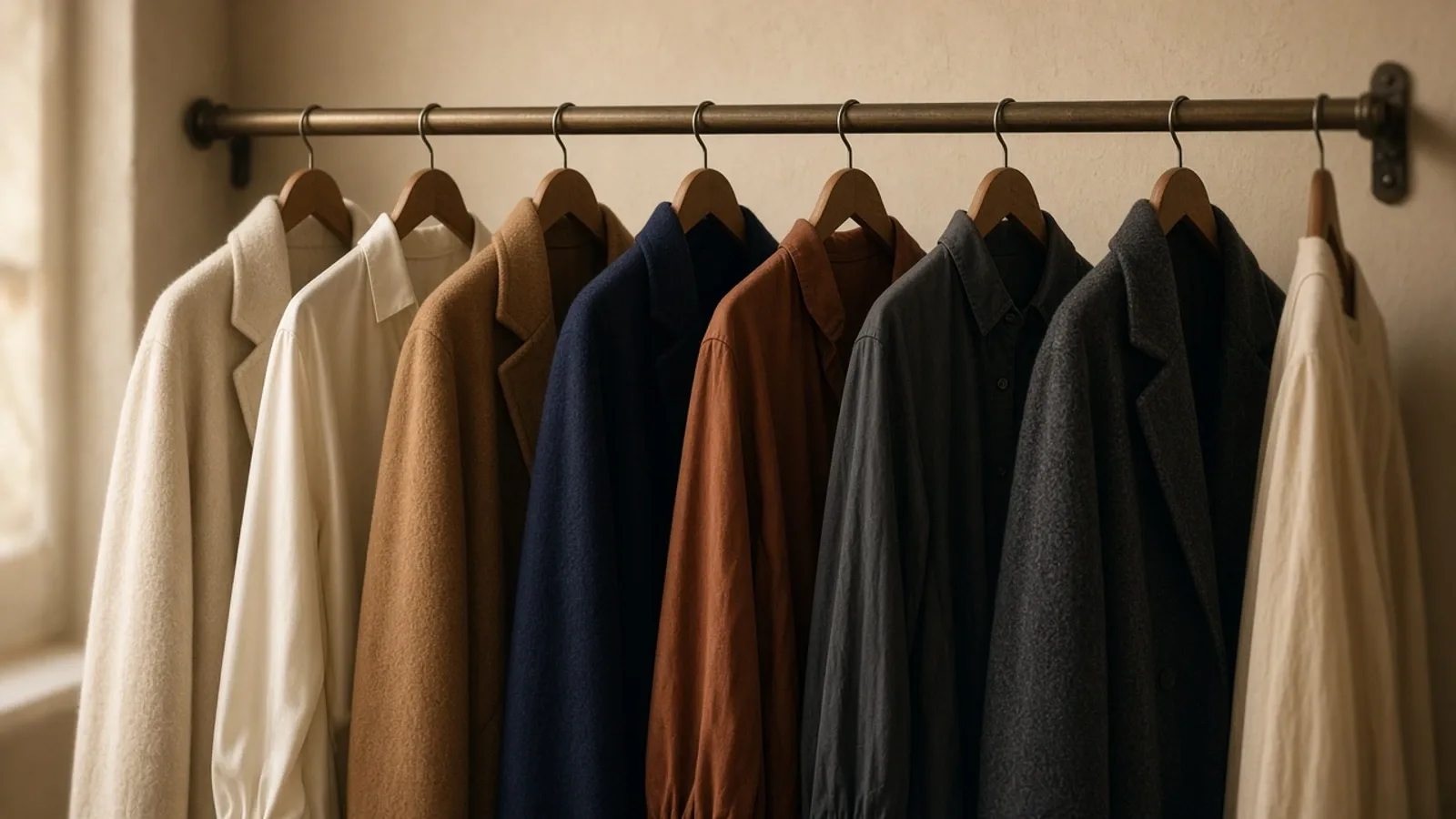
- Choose the coat from your neutral list, not automatically black. Camel, charcoal, navy, taupe, espresso, and cream all read more considered than a black puffer.
- Long wool or cashmere over a midi or floor-length dress. A cropped jacket can work, but it changes the proportion; check it in a mirror with the dress.
- Keep the coat one shade away from the dress, not identical. A tonal difference looks richer in photographs.
- For black tie, a pashmina or a tailored wool coat is safer than a parka. If the venue has a cloakroom, use it and carry the coat in.
- Skip the puffer unless the wedding is genuinely outdoors in the cold. If it is, wear the puffer and bring the good coat for photos.
If you are rebuilding your outerwear, the neutral roles guide explains which coat color actually belongs to your palette.
Shoes and tights
- Block heels or a low heel for outdoor photographs and gravel. Carry the higher heel in a bag if you want it for the reception.
- Match the tight to the shoe, not to the dress. A dark shoe with a dark tight lengthens the leg; a light shoe with a dark tight cuts it.
- Sheer black tights are the safest formal choice for most seasons; winters can wear opaque.
- Boots are acceptable for rustic and semi-formal winter weddings. Suede or leather, clean, and not the center of the outfit.
Who this is not for
If the couple has specified a color palette or asked guests to wear a particular dress code, their request wins. This guide is for the standard case where you are choosing your own outfit.
If you are going to a destination or beach wedding, the winter layering advice does not apply; the color logic still does.
And if you already own a wedding-guest outfit that fits and feels right, wear it. The goal is not a new dress. It is a decision you can trust.
How to use this in ten minutes
- Find your season with the free color analysis quiz if you do not know it.
- Pick one anchor color from the table above.
- Pick one neutral from your palette’s neutral list.
- Match your metal to the season, then repeat it in jewelry and hardware.
- Choose the coat and shoe you already own. Buy only the gap.
That last step matters. A winter wedding is expensive enough without a new coat you will wear twice. The 30-wear rule is the right filter for anything you are about to buy for one night.
Method and limits
This guide uses the twelve seasonal palettes in the CiciTrends Color System: each season’s fifteen best colors, five neutrals, five colors to avoid, and recommended metals. The dress-code definitions are summarized from the Emily Post Institute guide cited above. It is a styling guide, not a dress code ruling; the couple and the venue always have the final word.
Screen colors are not fabric colors. A swatch that looks right on your phone can read differently in wool, velvet, or satin. Use the palette as a filter, then judge the fabric in daylight. If you want the wider logic, read how to match jewelry to your undertone and the seasonal capsule wardrobe guide.
Direct answers
Frequently asked questions
What colour should I wear to a winter wedding?
Start with your colour season rather than the venue: pick one anchor from your palette's best colours, one neutral for the coat and shoe, and the metal your season wears. A Deep Autumn guest in burgundy velvet and an espresso coat is following the same rule as a True Winter guest in true red and black.
Do I need a coat for a winter wedding, and which one?
Yes, and it is in every outdoor photograph. Choose it from your neutral list, camel, charcoal, navy, taupe, espresso or cream, in long wool or cashmere over a midi, and keep it one shade away from the dress so the tonal difference reads rich rather than matched.
Can I wear black to a winter wedding?
It depends on your season. Black is on the avoid list for all six spring and summer seasons, and it sits on the best list for winters, who can use it as a neutral rather than a default. Autumns read better in chocolate, espresso or camel.
What shoes work for a winter wedding with outdoor photos?
Take a block heel or a low heel you can walk in, since winter weddings mean gravel, stone steps and outdoor photographs. Carry the higher heel in a bag for the reception, and match the tight to the shoe rather than the dress so the leg reads as one line.
Filed under
About the author
The editorial voice of CiciTrends. Color, fit, and the small decisions that make a wardrobe work. Written by an AI-assisted desk under human direction.
Reporting, sourcing and AI disclosure:/editorial-standards/
Keep reading
Related stories
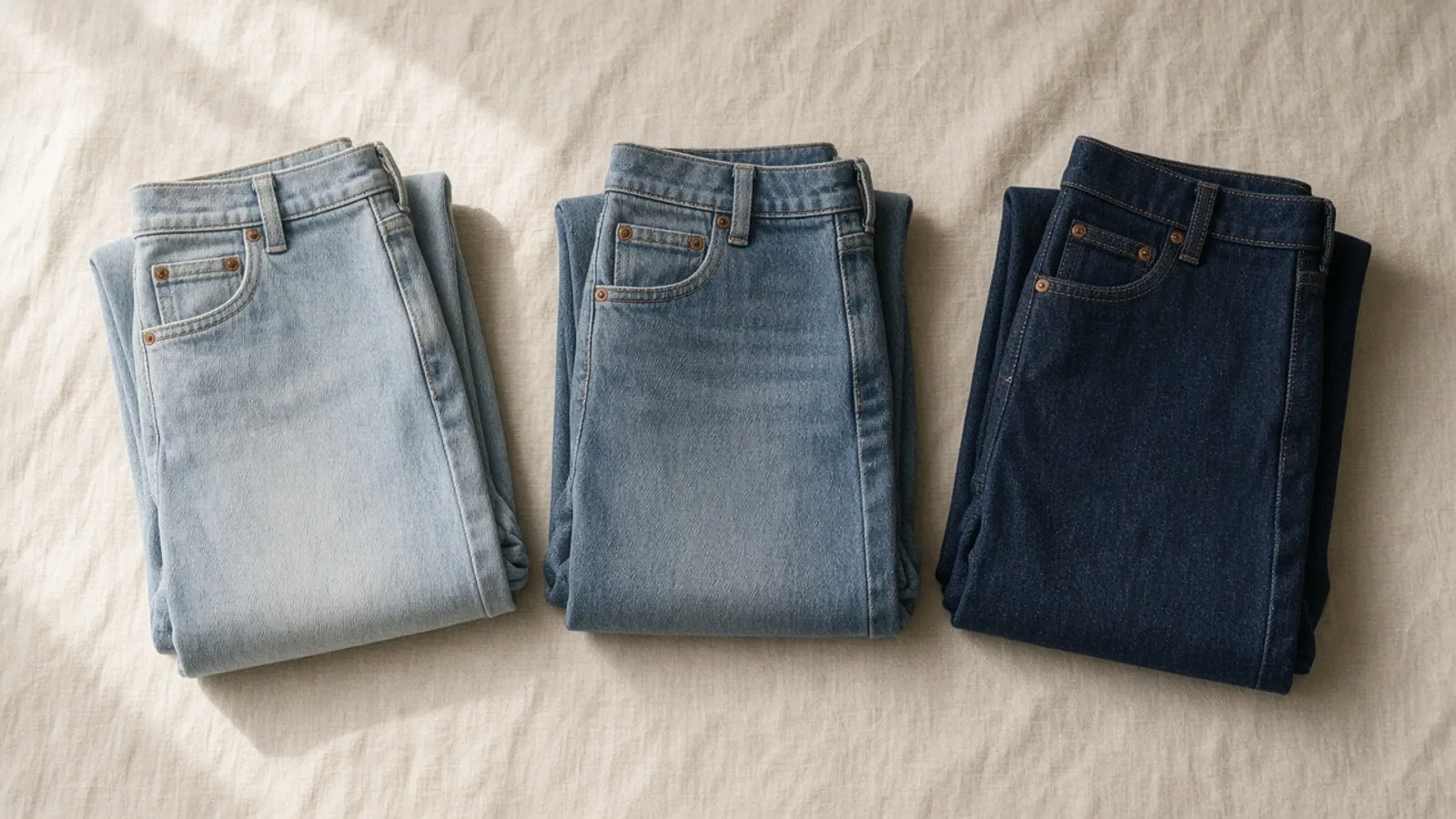
The three denim washes your season needs
Denim is a color decision before it is a fit decision. Here are the three washes worth owning for each of the 12 color seasons, and the black pair most women should skip.
Nov 4, 2026
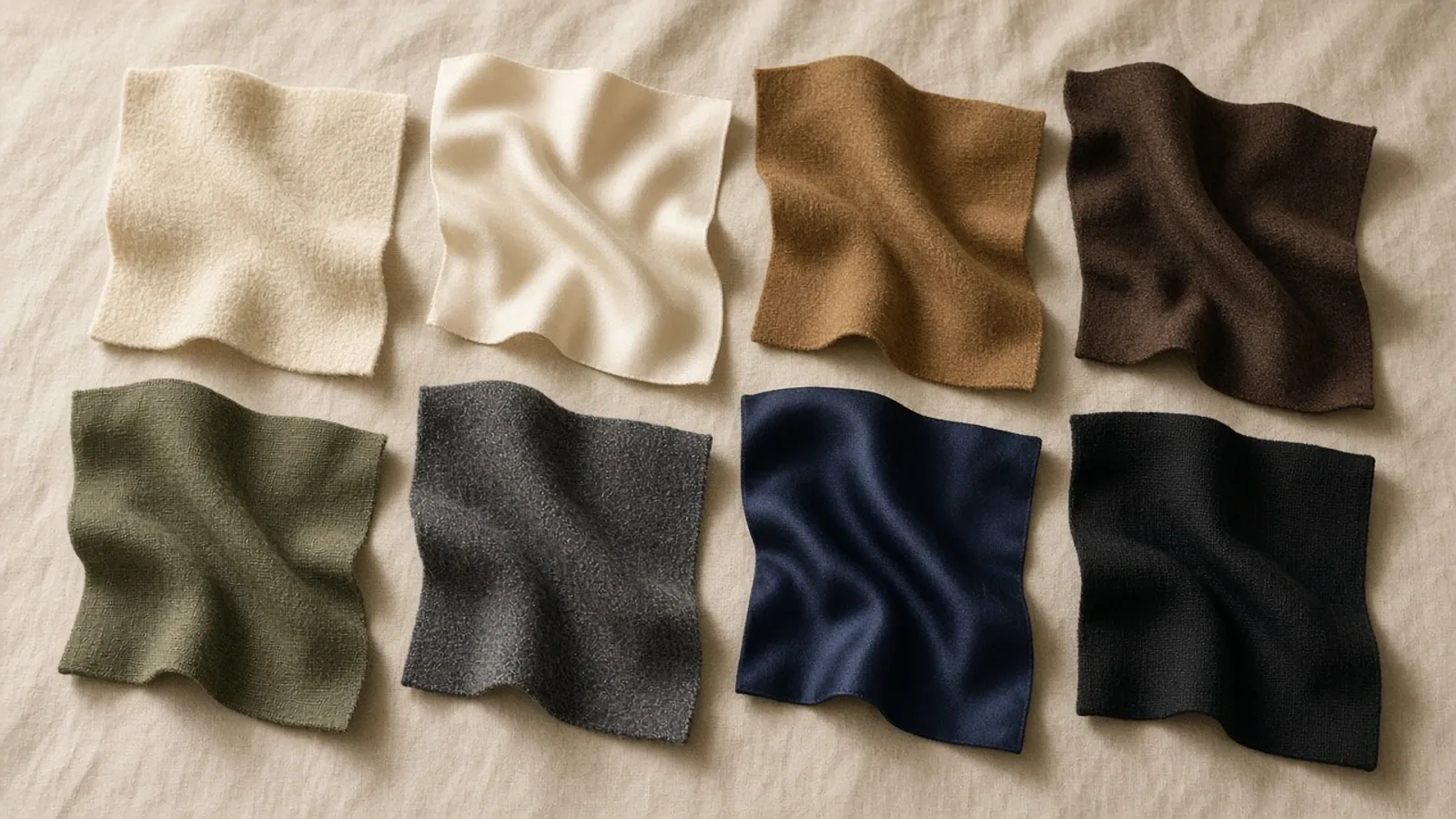
The 8 neutrals every palette needs
All 60 neutrals in the Color System were counted. Only two colors repeat in five seasons. The eight neutral roles worth buying, and the black almost nobody should own.
Nov 4, 2026
Your Perfect Capsule Wardrobe Colors: A Seasonal Guide
Build a cohesive, mix-and-match capsule wardrobe using the colors that flatter your unique seasonal coloring. Never wonder if pieces go together again.
Jan 4, 2026