The three-shoe rotation: fewer pairs, more wear
In short
An everyday pair, a weather pair, and a smart pair cover most of the week. The fit rules, the rotation, and when to replace them.
- Three pairs cover the week: an everyday walking pair, a weather pair with grip for rain, and a smart pair you can stand in for an hour.
- Rest each pair for 24 hours between wears, use cedar shoe trees to draw out moisture, and repair a heel tap before it becomes a replacement.
- Fit is the whole purchase: measure your feet, try shoes at the end of the day, and reject any pair that pinches now in the hope of a break-in.
By Cici
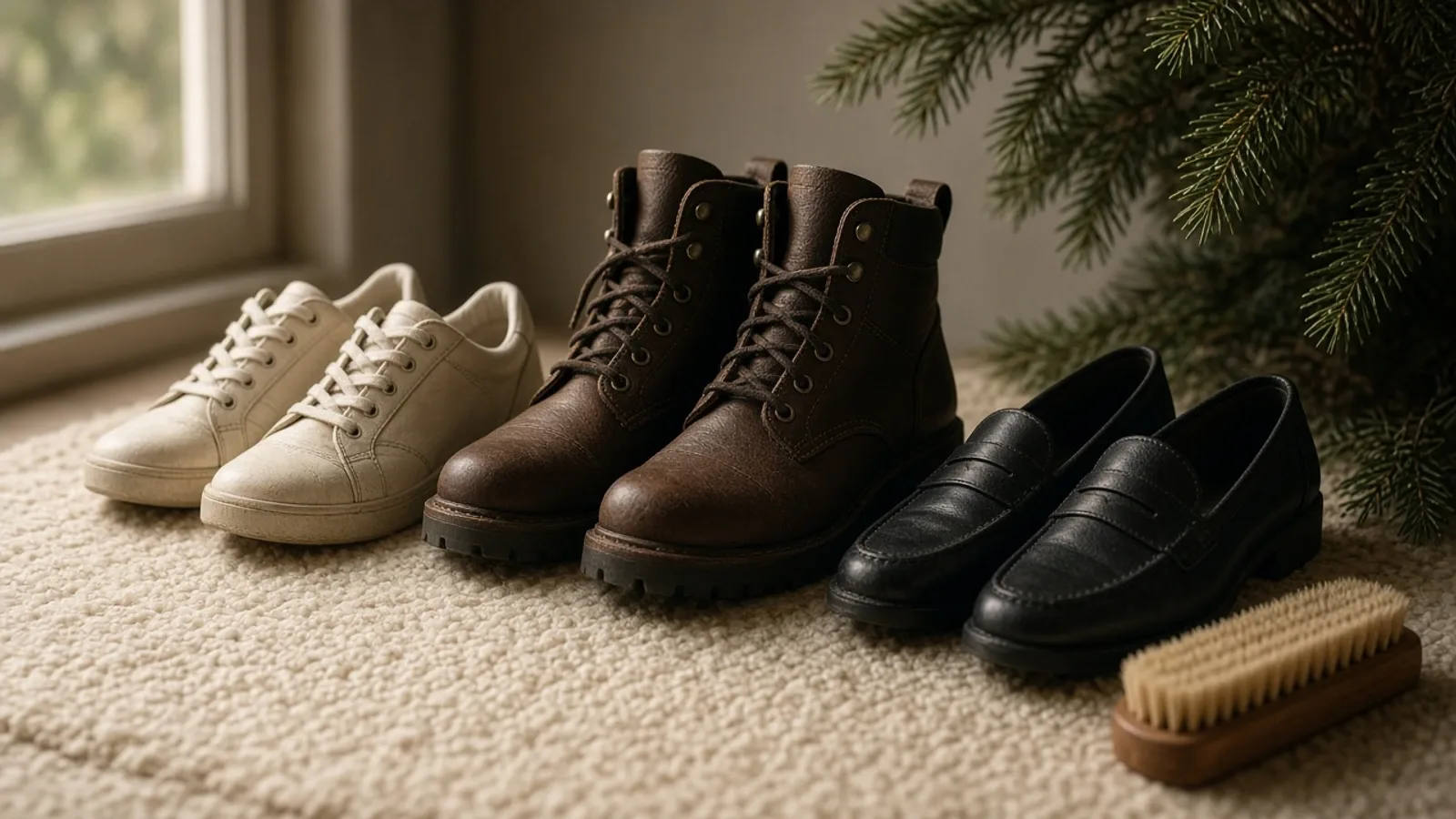
A shoe collection is usually a category problem, not a storage problem. Most women own more pairs than they wear and still feel like they have nothing to put on. Three pairs, chosen for three jobs, cover most of the week.
The three jobs are: everyday walking, weather, and smart. Get those right and the rest is optional.
The three jobs
| Job | Spec that matters | Test before you buy |
|---|---|---|
| Everyday walking | A supportive flat or a slight heel, room to move the toes, your neutral colour | Walk the length of the shop and back on a hard floor |
| Weather | A grippy sole, an ankle boot for walking, space for a thin sock | Turn the sole over and look at the tread |
| Smart | A block or kitten heel, an hour of standing comfort, your accent colour | Stand for a full minute without shifting your weight |
| Fit, every pair | Both feet measured, tried at the end of the day, longest toe clear of the front | Check the heel does not lift out as you walk |
| Care, every pair | Cedar trees inside and 24 hours of rest between wears | Wipe the leather and brush the suede before storage |
1. The everyday pair
This is the pair you reach for without thinking: a clean sneaker, a loafer, or a flat boot. It should handle a normal day of walking and look intentional with trousers, denim, and a dress.
- Sole: a slight heel or a supportive flat, not a wafer.
- Toe box: room to move the toes. A pointed toe is fine if it does not pinch.
- Color: your neutral. Black, brown, cream, or a metallic that matches your jewelry.
- Break-in: if it needs a week of plasters, it is the wrong pair.
2. The weather pair
This is the boot or closed shoe for rain, cold, and uneven ground. It does not need to be beautiful, but it should be sturdy and fit over the trousers you actually wear.
- Sole: grip matters. A smooth leather sole on a wet pavement is a hazard.
- Height: a ankle boot is easier to walk in than a knee-high boot; a knee-high boot is warmer.
- Water: leather can be treated; suede needs protection before the first wear.
- Fit: room for a sock without squeezing the toes.
3. The smart pair
This is the pair for dinners, weddings, interviews, and anything that requires a polished finish. It can be a low heel, a ballet flat, a loafer, or a dressy sandal, depending on your life.
- Comfort: you should be able to stand for an hour.
- Color: your accent or a metallic. This is the pair that can be less practical.
- Heel: a block heel is more stable than a stiletto; a kitten heel is easier than both.
The fit rules
The American Academy of Orthopaedic Surgeons’ guide to finding the right fit is a useful baseline:
- Measure your feet rather than assuming your size. Feet change with age and pregnancy.
- Try shoes at the end of the day, when feet are at their largest.
- Leave room at the toe. The longest toe should not touch the front.
- Check the heel slip. A small slip is normal in some styles; a heel that lifts out of the shoe is not.
- Walk in them. The shoe should feel right in the shop, not “after a break-in.”
If you have a medical condition, orthotics, or persistent pain, see a clinician or a podiatrist. A rotation is not a treatment.
The rotation
- Rest each pair for 24 hours. Moisture from your feet needs time to dry; alternating pairs extends their life.
- Use shoe trees. Cedar absorbs moisture and holds the shape.
- Clean and protect. Wipe leather, brush suede, and re-waterproof before the season.
- Repair early. A heel tap or a sole repair is cheaper than a replacement.
- Rotate by weather, not by mood. The everyday pair for dry days, the weather pair for wet ones, the smart pair for the occasion.
The Monday-morning test
Monday morning, and you are at the door with one shoe on and the other in your hand. The everyday pair feels cold and faintly damp at the heel, because Saturday took it two miles through drizzle and left a grey tidemark across the toe. So you put it back on the shelf and take the weather pair instead: dry leather, a tread that grips the wet step, a sock thin enough that your toes still have room to move. The swap takes four seconds. It also buys the first pair a full day to dry, which is the whole trick.
By Wednesday the everyday pair is back in play, its shape held by the cedar tree inside, the damp smell gone. There is a small, smug pleasure in that shelf when everything on it is dry and ready. There is also a specific test worth knowing: press your thumb hard into the insole under the ball of the foot. If the midsole gives all the way down to the floor, the cushioning has collapsed and no amount of polishing will bring it back. That is the moment to replace, not the scuff on the toe.
The three-bag rotation and the three-jacket wardrobe use the same category logic. The capsule wardrobe guide shows how the colors fit together.
The cost-per-wear view
A $150 pair worn three times a week for two years costs less per wear than a $40 pair that hurts after a month. The cost-per-wear audit is the math; the 30-wear rule is the filter.
Spend on the everyday pair and the weather pair. Save on the smart pair if you wear it rarely; a mid-price pair that fits is better than an expensive pair that does not.
What not to do
- Do not buy duplicates. A second black boot is not a rotation; it is a backup.
- Do not ignore pain. A shoe that hurts in the shop will hurt more on the street.
- Do not wear the same pair every day. Moisture and compression shorten the life of the shoe.
- Do not buy for a fantasy life. If you do not go to black-tie events, you do not need a black-tie shoe.
- Do not skip the socks. A thin sock can change the fit and the comfort of a shoe.
Who this is not for
If you have a uniform, a medical orthotic, or a job that requires specific safety footwear, those needs come first. The rotation adapts around them.
If you love shoes and collecting is the point, this is not a rule you have to follow. And if you already have three pairs that cover your week, you are done.
Method and limits
This rotation is derived from the CiciTrends wardrobe and color systems. The fit guidance follows the American Academy of Orthopaedic Surgeons’ shoe-fitting advice. It is a template, not a medical recommendation; adjust it to your feet, climate, and life.
Sources
- American Academy of Orthopaedic Surgeons. Shoes: Finding the Right Fit.
Direct answers
Frequently asked questions
How many pairs of shoes do I actually need?
Three, if each one has a job: an everyday pair for walking, a weather pair for rain and cold, and a smart pair for dinners and interviews. Most wardrobes fail because they hold five versions of one job and nothing for the other two.
Why do my shoes wear out so quickly?
The usual cause is wearing one pair every day. Moisture from your feet needs about 24 hours to dry, so alternate pairs and use cedar shoe trees between wears. A heel tap replaced early costs far less than a new sole or a new pair.
Should I repair a worn shoe or replace it?
Repair early. A heel tap or a sole repair costs less than a replacement and keeps a pair you have already broken in. Replace when the upper has gone or the fit has changed, not when a heel tap is worn down.
How should shoes fit when I try them on?
Try them at the end of the day, when feet are at their largest. Leave room so the longest toe does not touch the front, and check that the heel does not lift out as you walk. They should feel right in the shop, not after a break-in.
About the author

The editorial voice of CiciTrends. Color, fit, and the small decisions that make a wardrobe work. Written by an AI-assisted desk under human direction.
Reporting, sourcing and AI disclosure:/editorial-standards/
Keep reading
Related stories
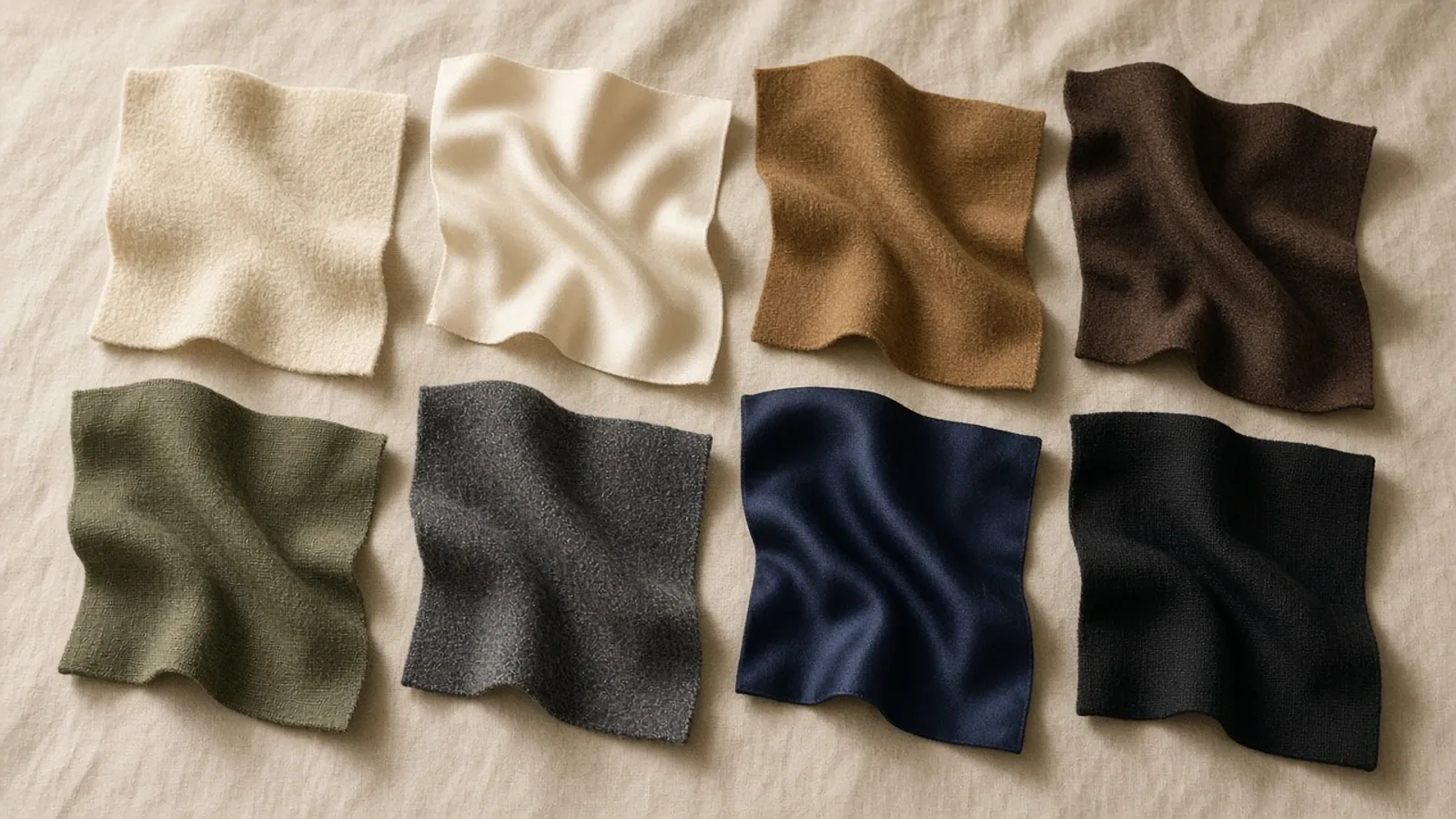
The 8 neutrals every palette needs
All 60 neutrals in the Color System were counted. Only two colors repeat in five seasons. The eight neutral roles worth buying, and the black almost nobody should own.
Nov 4, 2026
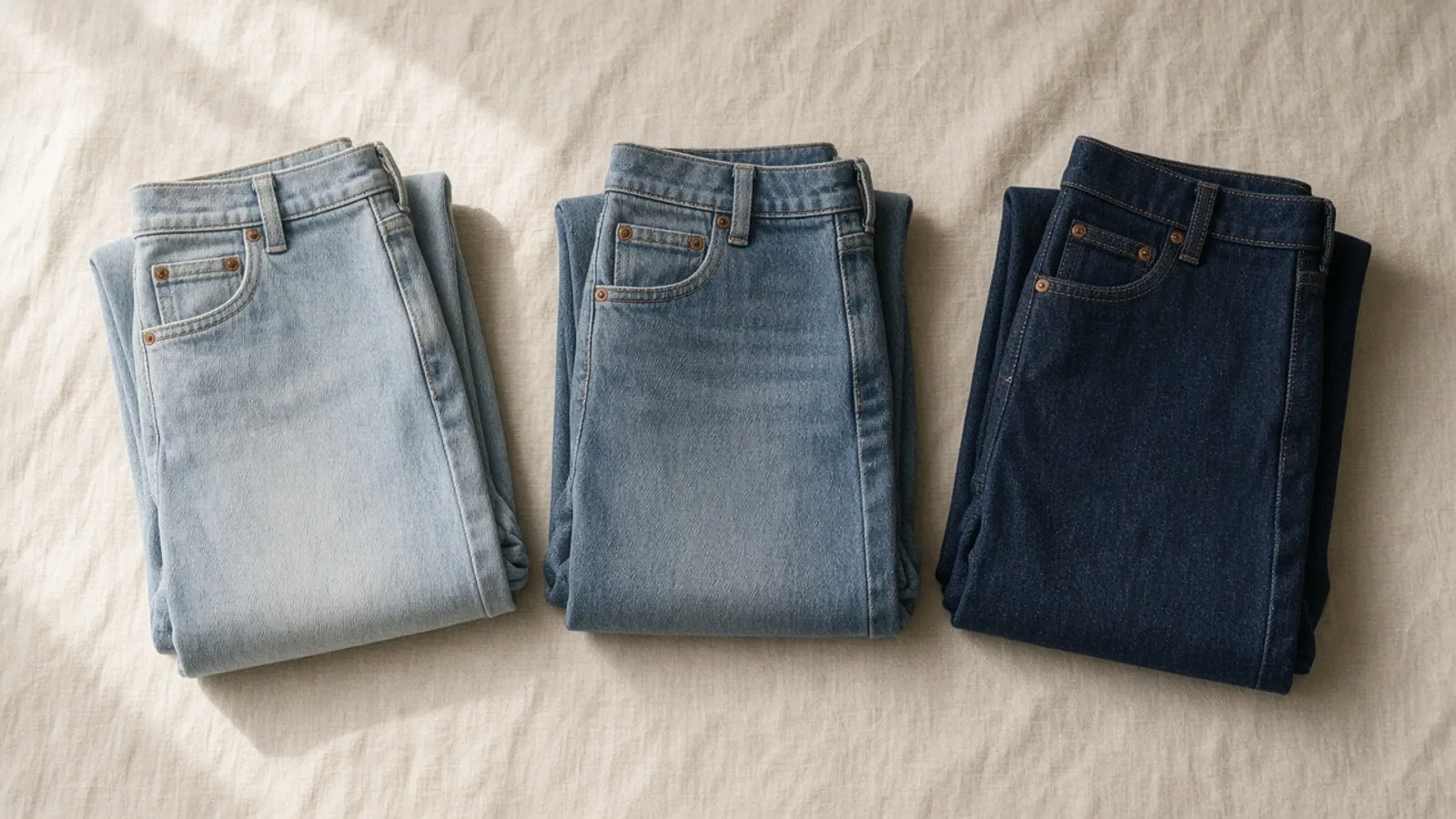
The three denim washes your season needs
Denim is a color decision before it is a fit decision. Here are the three washes worth owning for each of the 12 color seasons, and the black pair most women should skip.
Nov 4, 2026
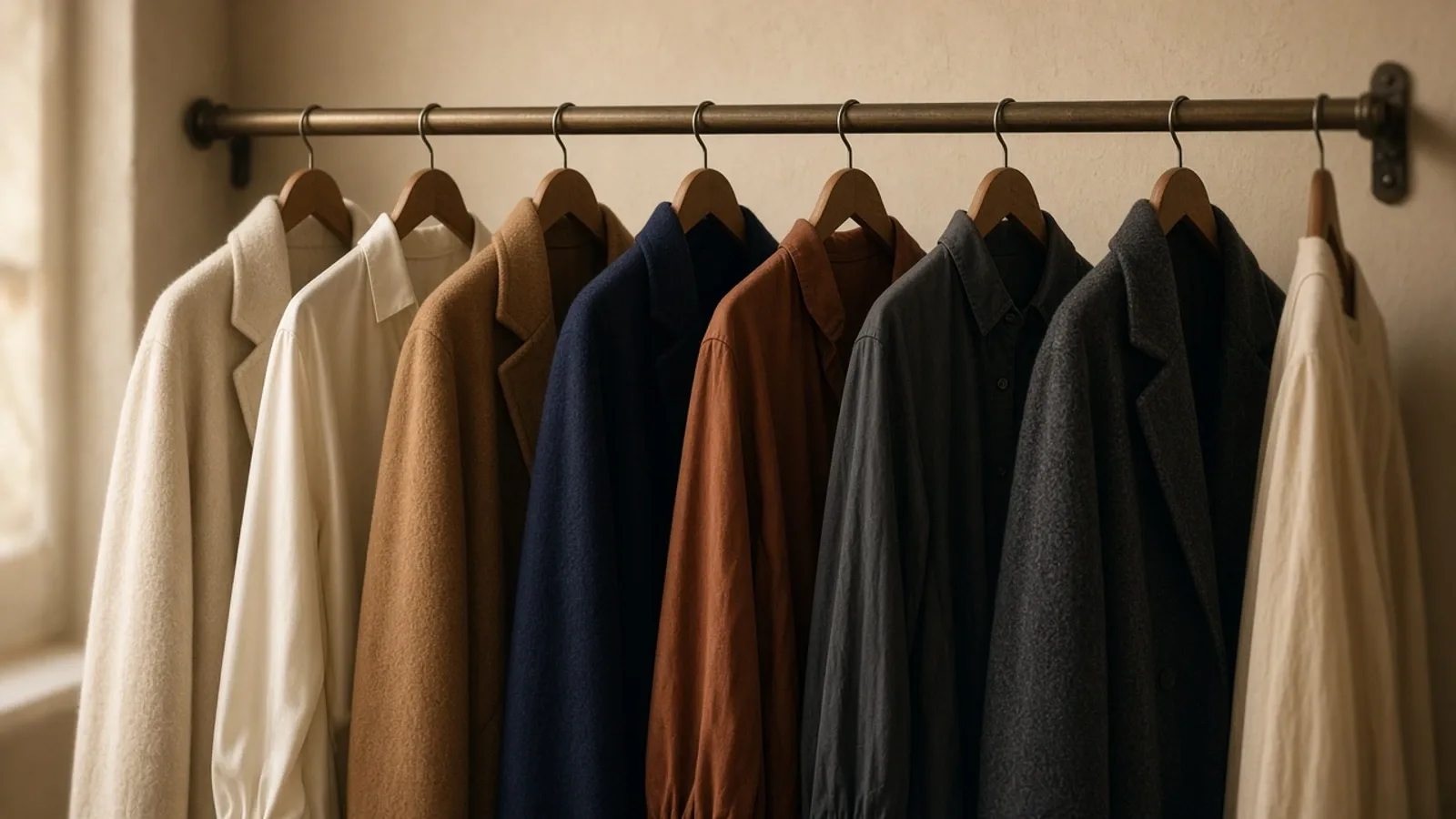
Your Perfect Capsule Wardrobe Colors: A Seasonal Guide
Build a cohesive, mix-and-match capsule wardrobe using the colors that flatter your unique seasonal coloring. Never wonder if pieces go together again.
Jan 4, 2026