How to buy pre-loved luxury without getting burned
In short
Authentication is a process, not a vibe. Platform versus peer-to-peer, what to inspect, the red flags, condition grades, and what to do if it is fake.
- Read the photos rather than the condition grade: a very good rating with worn corners is still a worn bag, and a cheap bag needing a $300 repair is not cheap.
- No return policy means no purchase, and one red flag is enough to walk away: a price far below market, payment outside the platform, or a serial number on multiple listings.
- Pay with a method that offers protection, avoid bank transfer and friends-and-family payments, and authenticate independently before the return window closes.
By Cici
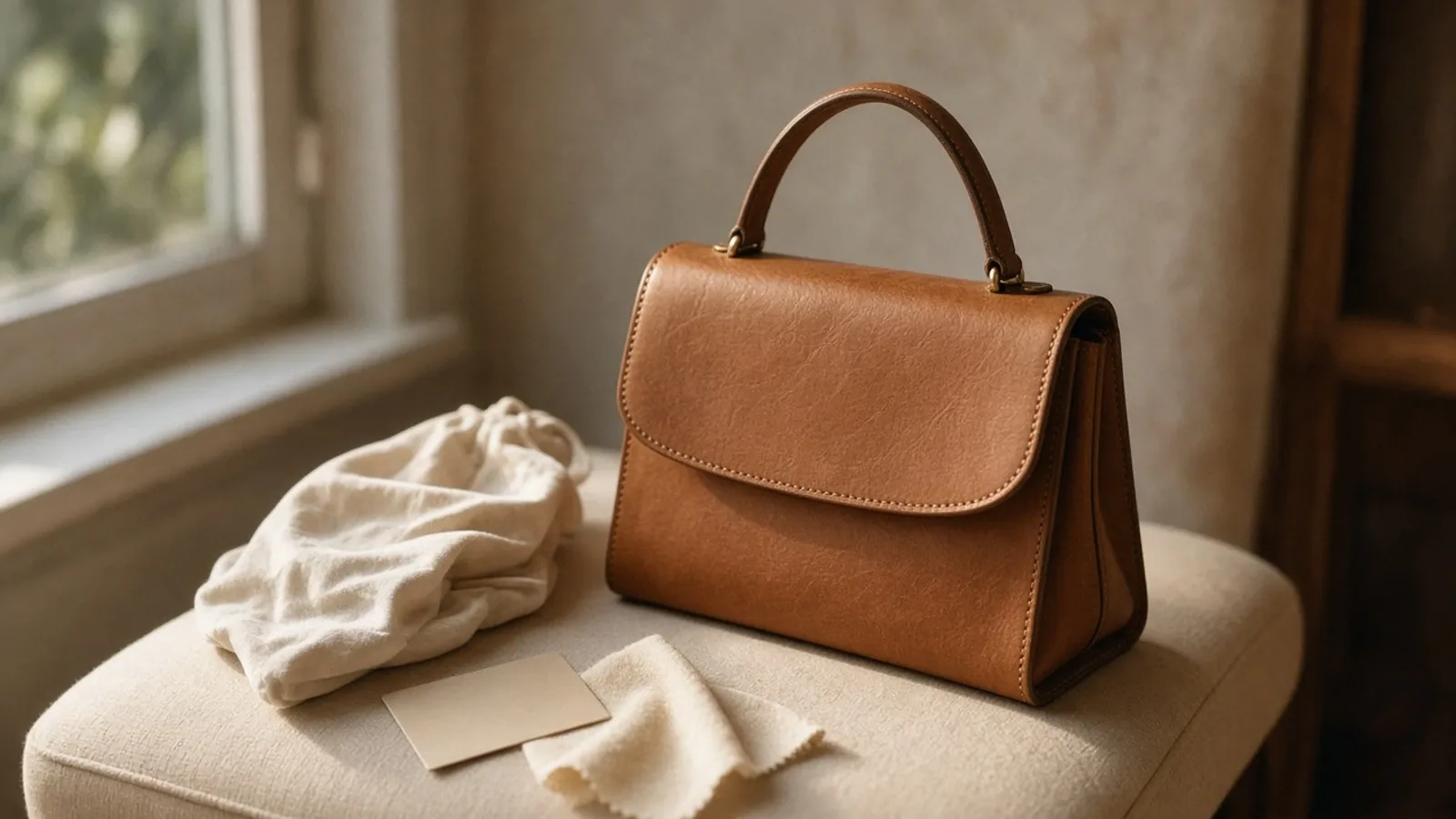
Pre-loved luxury is a good idea with a bad failure mode: you pay a lot for a fake, or you pay a fair price for something that arrives damaged and cannot be returned.
The solution is not “trust your gut.” It is provenance, inspection, and a return window.
Why buy pre-loved
- Price. A well-chosen piece can cost a fraction of new.
- Availability. Discontinued styles and colors are often only on the resale market.
- Sustainability. Extending the life of an existing item avoids new production.
- Quality. Older luxury pieces were often made to a different standard.
The trade-off is risk. You are buying without the brand’s warranty, and the authentication burden is on the seller and the platform.
Platform vs peer-to-peer
| Factor | Platform | Peer-to-peer |
|---|---|---|
| Authentication | In-house or third-party, and not infallible | You are the authentication team |
| Buyer protection | Usually included in the price | Depends entirely on the payment method |
| Return window | Standard, and it is the real product | Rare, so agree one in writing first |
| Price | Higher, to cover the service | Lower, and you carry the risk |
| Condition grading | Supplied by the platform | Read the photos, not the label |
Platforms usually offer:
- Authentication (in-house or third-party).
- Buyer protection.
- A return window.
- Condition grading.
They charge more, and the authentication is not infallible. But the return policy is the real product.
Peer-to-peer is cheaper, but you are the authentication team, the shipping department, and the dispute resolution. Only do it with a payment method that offers protection, and only if you can get the item authenticated quickly.
What to inspect
You do not need to be a brand expert to spot a bad listing. Look for:
- Provenance. Receipt, original box, dust bag, authenticity card. A card is not proof; a receipt with a matching date and item is stronger.
- Hardware. Weight, engraving, smooth zips, consistent tone. Cheap hardware feels light and sharp.
- Stitching. Even spacing, no loose threads, no glue.
- Edge paint. Smooth, even, no bubbles.
- Date/serial codes. Present, consistent with the era, and matching the listing. Counterfeiters copy codes; they often copy the same code across many fakes.
- Lining and interior. Material, stitching, and wear should match the age and story.
- Smell. Leather, not plastic or glue. A strong perfume smell can hide something.
If the seller cannot provide close-up photos of these details, do not buy.
A second test happens at the counter. Ask to hold the bag before you pay. The hardware should feel dense and slightly cool in your palm, the leather should smell of leather rather than of glue or perfume, and the strap should sit flat rather than curl. Turn it over and read a seam in daylight, then under the fluorescent light of the shop. Counterfeit edge paint can look glossy and even in a photograph and faintly plastic in your hand. If the seller will not meet you, ask for a short video instead, and watch how the bag moves. A real bag has weight, and the clasp gives a small, satisfying click. That detail is hard to fake and easy to film. The request feels awkward, and it is the one that saves you.
A five-minute listing check
Before you message the seller, run this check:
- Does the price make sense for the model, condition, and current market? If it is too good, assume a reason.
- Are there close-ups of corners, hardware, stitching, and the interior? If not, ask.
- Is there a return policy? No return, no purchase.
- Does it fit your actual wardrobe? A bargain you will not carry is not a bargain. The three-bag rotation and the 30-wear rule are the filters.
The red flags
- A price far below the market for the model and condition.
- Pressure to pay outside the platform.
- No return policy, or “final sale” on an expensive item.
- Blurry or stolen photos.
- A story that changes.
- A seller who refuses to send additional photos.
- A serial number that appears on multiple listings.
One red flag is enough to walk away. There will be another bag.
Condition grades
Platforms use different scales, but the questions are the same:
- Exterior: corners, handles, scratches, color transfer.
- Interior: lining stains, odor, peeling.
- Hardware: tarnish, scratches, missing pieces.
- Structure: sagging, creasing, shape loss.
- Accessories: box, dust bag, strap, lock, keys.
A “very good” grade with worn corners is still a worn bag. Read the photos, not the label.
The pricing check
Compare the listing with:
- The same model in similar condition on other platforms.
- The current retail price, if still available.
- The cost of repair or restoration.
A cheap bag that needs a $300 repair is not cheap. The cost-per-wear guide is the right math.
Returns and authentication
- Buy where you can return. The return window is your insurance.
- Get it authenticated independently if the amount is significant. Use a reputable service and do it before the window closes.
- Keep the packaging and photos until you are sure.
- Pay with a method that offers protection. Avoid bank transfer and friends-and-family payments.
If it is fake
- Document everything. Photos, listing, messages, receipt.
- Contact the platform or payment provider. Open a dispute immediately.
- Request a chargeback if the seller will not refund.
- Report the listing. Platforms remove repeat counterfeit sellers.
- Report it to the FTC in the US.
Do not resell a fake. That passes the problem on and can be illegal.
Who this is not for
If the risk keeps you up at night, buy new or from a platform with a strong return policy. If you are buying as an investment, talk to a specialist; most pre-loved fashion is not an investment.
And if you love the hunt, enjoy it. The point is not to remove the thrill; it is to remove the preventable loss.
Method and limits
This is a consumer guide derived from the CiciTrends wardrobe and cost-per-wear principles. The counterfeit context is informed by the U.S. StopFakes.gov consumer guidance and the FTC’s counterfeit-goods resources. Authentication policies vary by platform and brand; always read the current policy.
Sources
- U.S. Government. StopFakes.gov.
- Federal Trade Commission. Counterfeit goods.
Direct answers
Frequently asked questions
How can I tell if a pre-loved luxury bag is authentic?
Start with provenance: receipt, original packaging, and a consistent story. Then check the details a counterfeiter rarely gets right, such as hardware weight, stitching, edge paint, date or serial codes, and the lining. A professional authentication service is worth the cost on an expensive purchase, before the return window closes.
Is it safer to buy from a platform or a person?
Platforms usually offer authentication, buyer protection, and returns; peer-to-peer is cheaper but riskier. If you buy peer-to-peer, use a payment method with protection and get the item authenticated before the return window closes.
What are the red flags of a counterfeit seller?
A price far below market, pressure to pay outside the platform, no return policy, blurry photos, a story that changes, and a seller who cannot provide a receipt or provenance. Walk away from any one of these.
What should I do if I receive a fake?
Contact the platform or payment provider immediately, document everything with photos, and request a chargeback if the seller will not refund. Report the listing to the platform and, in the US, to the FTC.
Is pre-loved luxury sustainable?
It extends the life of an existing item and avoids new production, which is a real benefit. It is not automatically ethical, though, so look at the platform's authentication, labor, and shipping practices too. The greenest purchase is still the one you will actually use for years.
Filed under
About the author

The editorial voice of CiciTrends. Color, fit, and the small decisions that make a wardrobe work. Written by an AI-assisted desk under human direction.
Reporting, sourcing and AI disclosure:/editorial-standards/
Keep reading
Related stories

Holiday party outfits by color season
Twelve party outfits that use your own palette instead of the same black dress — with the metal, lip, and coat that make each one work.
Nov 5, 2026
The uniform: fewer outfits, more style
A personal uniform is not the same outfit every day. It is a small set of formulas that fit your life — and free your attention for everything else.
Jan 3, 2026
The outfit formula: three templates that end decision fatigue
Stop solving the same outfit puzzle every morning. Three repeatable formulas, how to adapt them, and why variety is overrated on a Tuesday.
Jan 3, 2026