The uniform: fewer outfits, more style
In short
A personal uniform is not the same outfit every day. It is a small set of formulas that fit your life — and free your attention for everything else.
- A uniform has three parts: a repeatable silhouette, a palette of two neutrals plus an accent, and the same shapes in different fabrics for each season.
- Three uniforms usually cover a week: one for work or structured days, one for relaxed days, and one for evenings or occasions.
- Build from the outfit you already repeat: name the silhouette, check the fit at shoulder, rise, waist, and length, then buy more of the same rather than a new shape.
By Cici
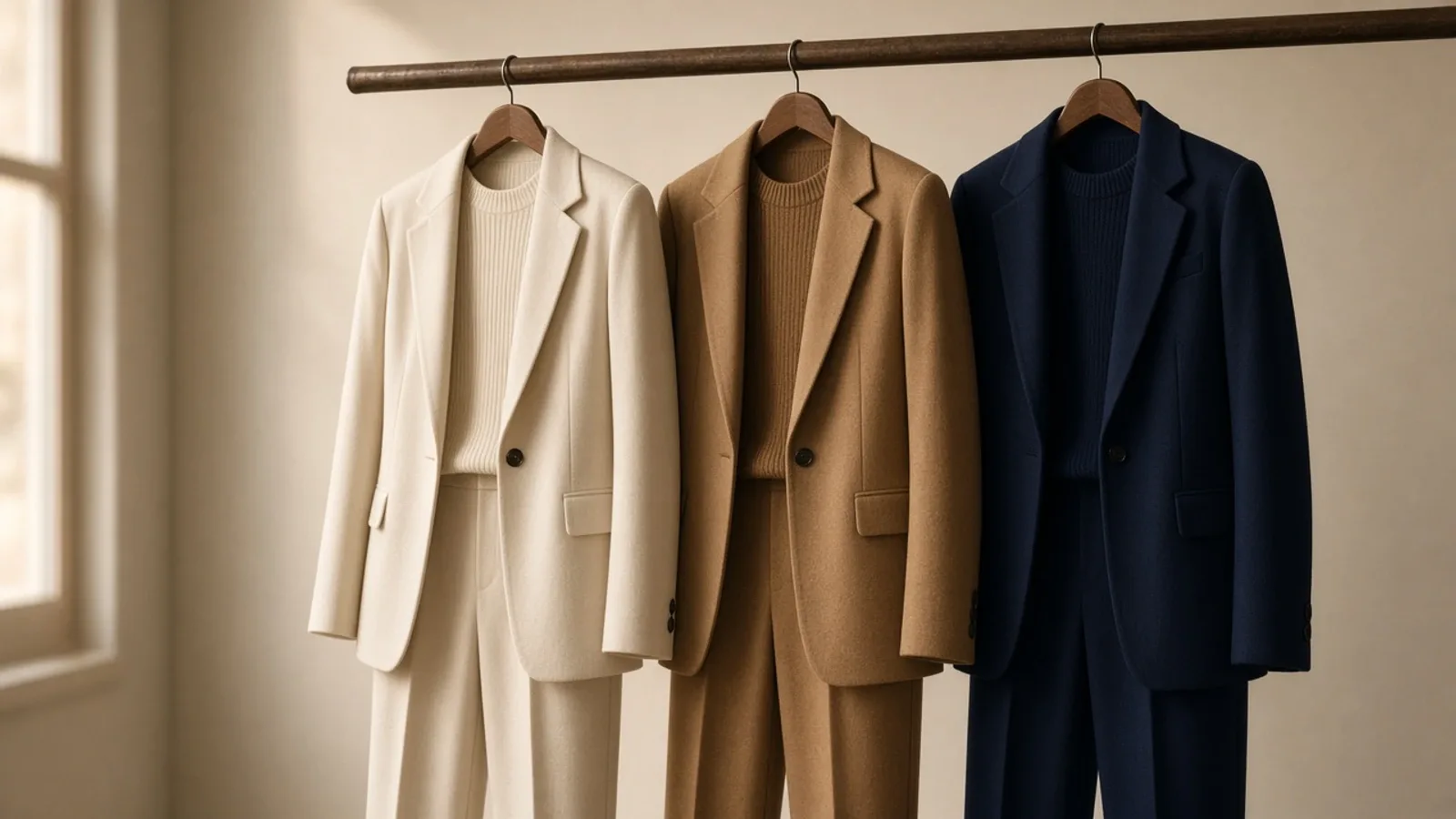
A personal uniform is not the same outfit every day. It is a small set of formulas that fit your life, so getting dressed stops being an open-ended question.
The people who look most consistently like themselves often wear a version of the same thing. Not because they are boring, but because they found a silhouette that works and stopped renegotiating it every morning.
What a uniform actually is
A uniform has three parts:
- A silhouette — the shape you repeat. A blazer, a straight-leg trouser, a loafer. A knit dress and a boot. A shirt, a wide-leg jean, a flat.
- A palette — the colors that work together and suit you. Two neutrals and an accent is enough.
- A small set of variations — the same shape in different fabrics, colors, and weights for different seasons.
It is not a capsule wardrobe, although the two overlap. A capsule is a set of pieces; a uniform is a way of combining them.
Why it works
- It removes decisions. The morning question becomes “which version?” not “what do I wear?”
- It builds a signature. Repetition is how people remember your style.
- It improves quality. You buy fewer, better versions of the shapes you actually wear.
- It reduces waste. You stop buying pieces that only work with one outfit.
Clothing also carries meaning. The enclothed cognition research shows that what you wear can affect how you feel and perform when the garment has a personal association. A uniform lets you choose that association on purpose.
Three uniforms
| Uniform | Pieces | When it earns its keep |
|---|---|---|
| Work or structured | Blazer or overshirt, fine knit or shirt, straight-leg trouser, loafer or low boot | Days with meetings or a fixed schedule |
| Relaxed or weekend | Cotton tee or sweater, wide-leg jean or relaxed trouser, sneaker or flat | Errands, school runs, and slow days |
| Evening or occasion | Dress or silk top with a tailored bottom, heel or dressy flat, one piece of jewelry | Dinners, parties, and anything after six |
Work / structured
A blazer or overshirt, a fine knit or shirt, a straight-leg trouser, a loafer or low boot.
Relaxed / weekend
A cotton tee or sweater, a wide-leg jean or relaxed trouser, a sneaker or flat, a third piece if it is cold.
Evening / occasion
A dress or a silk top with a tailored bottom, a heel or dressy flat, one piece of jewelry.
The outfit formula guide goes deeper on the proportions. The three-jacket wardrobe covers the layer.
How to build it
- Find the outfit you already repeat. Not the one you wish you wore; the one in the laundry.
- Name the silhouette. What is the shape? What makes it work?
- Check the fit. Shoulder, rise, waist, length. A uniform on a bad fit is just a bad outfit repeated.
- Tighten the palette. Use the neutral roles guide and the capsule guide.
- Buy more of the same, not more of different. Replace the worn-out version; do not add a new silhouette because it is on sale.
- Keep one wildcard. A scarf, a shoe, a lip. The uniform is the base, not the whole personality.
The uniform and the seasons
The silhouette stays; the fabric and layer change.
- Spring: a lighter knit, a trench, a loafer. The same shape, less weight.
- Summer: a cotton tee, a linen trouser, a sandal. The uniform gets air.
- Autumn: a heavier knit, a blazer, a boot. The layer returns.
- Winter: a coat, a wool trouser, a boot. The uniform gets a shell.
This is why a uniform is not a single outfit. It is a shape with a seasonal wardrobe around it. The seasonal transition guide covers the swap in more detail.
The replacement rule
When a piece wears out, replace it with the same shape, not a new idea. The uniform improves through repetition: the second pair of trousers fits better because you learned from the first.
If you want to try a new silhouette, try it in one piece, not a whole wardrobe. The uniform can absorb one experiment at a time.
A worked example. Suppose the outfit you reach for is a cream knit, a straight navy trouser, and a loafer. That is your silhouette, and it already tells you what to buy next. The common mistake is to buy the same outfit in five colours in one season, which leaves you with five versions of one idea and no range. The fix is slower and cheaper: replace the knit when it pills, add a second pair of trousers in the same cut and a deeper navy, then a boot for winter. Two seasons later you have a uniform that covers a week, and every piece in it earns its hanger space.
What about variety?
Variety comes from:
- Color — the same shape in cream, navy, or rust.
- Texture — wool, cotton, silk, denim.
- Accessories — a belt, a bag, a shoe, jewelry.
- Hair and makeup — a different lip changes the whole register.
You do not need a new silhouette to look different. You need a new accent.
Who this is not for
If you love fashion as a daily creative practice, a uniform may feel restrictive. If you work in a field where the outfit is the work, you need more range.
And if you already have a uniform and it works, this is permission to keep it. Repetition is not a failure of imagination; it is a decision you no longer have to make.
Method and limits
This is a wardrobe system derived from the CiciTrends capsule, color, and fit principles. The claim that clothing can affect how you feel is supported by enclothed cognition research; the specific formulas are editorial judgment.
Sources
- Adam H, Galinsky AD. Enclothed cognition. Journal of Experimental Social Psychology, 2012.
Direct answers
Frequently asked questions
What is a personal uniform?
A personal uniform is a small set of repeatable outfit formulas that suit your body, palette, and life. It is not one outfit worn every day; it is a decision system that removes the daily start-from-zero problem.
Will a uniform make me look boring?
No. The silhouette repeats, but color, texture, and accessories change, and repetition is what makes a look read as a signature rather than a shortage of ideas. A uniform with one wildcard, such as a scarf or a lip, still has room for personality.
How many uniforms do I need?
Three usually cover a week: one for work or structured days, one for relaxed days, and one for evenings or occasions. Add a fourth only if your life has a category the first three do not cover.
How do I build a uniform?
Start with the outfit you already repeat. Identify the silhouette, then buy more of the pieces that fit and fewer of the ones that do not. Keep the palette tight so everything works together.
About the author

The editorial voice of CiciTrends. Color, fit, and the small decisions that make a wardrobe work. Written by an AI-assisted desk under human direction.
Reporting, sourcing and AI disclosure:/editorial-standards/
Keep reading
Related stories
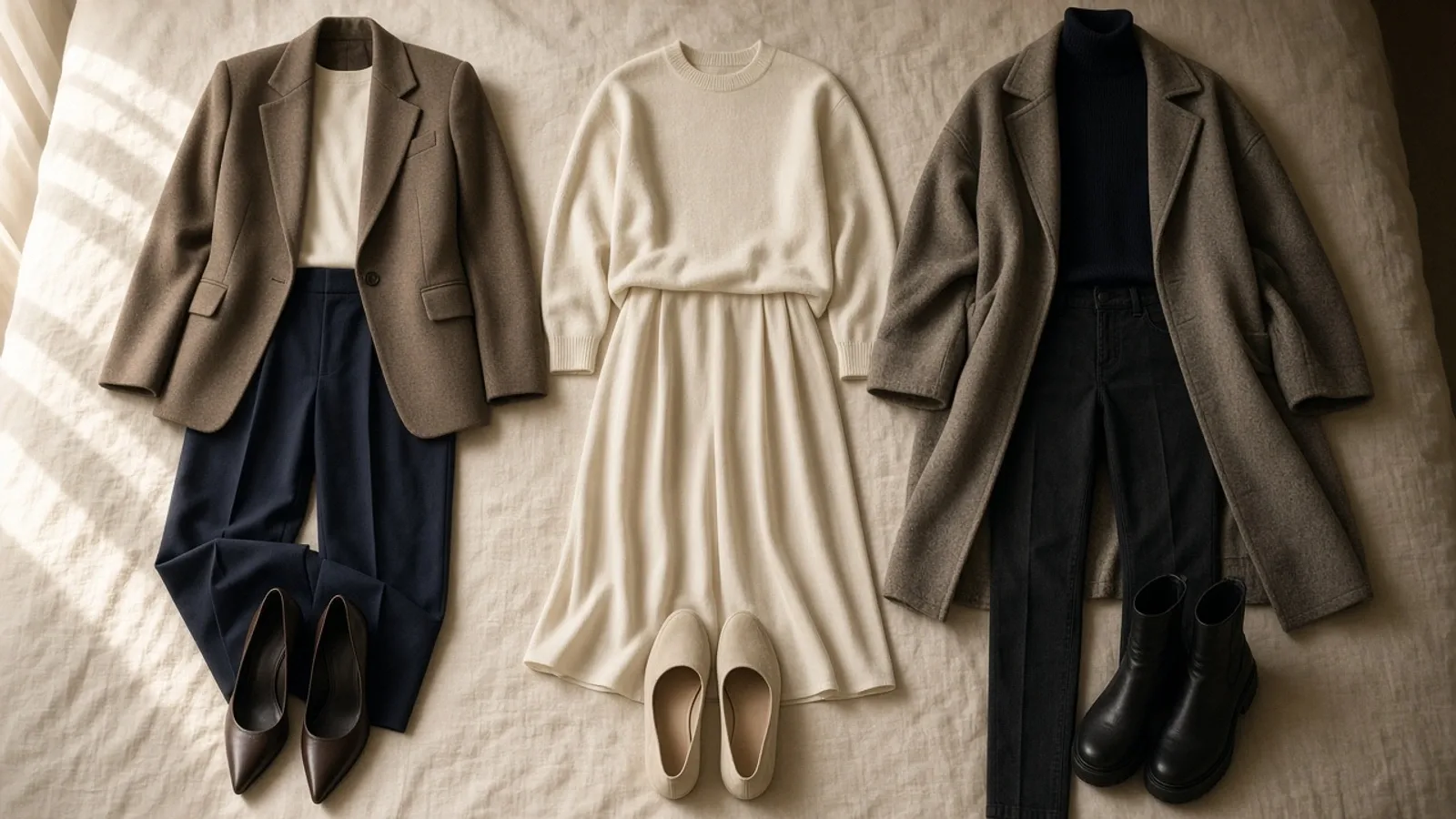
The outfit formula: three templates that end decision fatigue
Stop solving the same outfit puzzle every morning. Three repeatable formulas, how to adapt them, and why variety is overrated on a Tuesday.
Jan 3, 2026
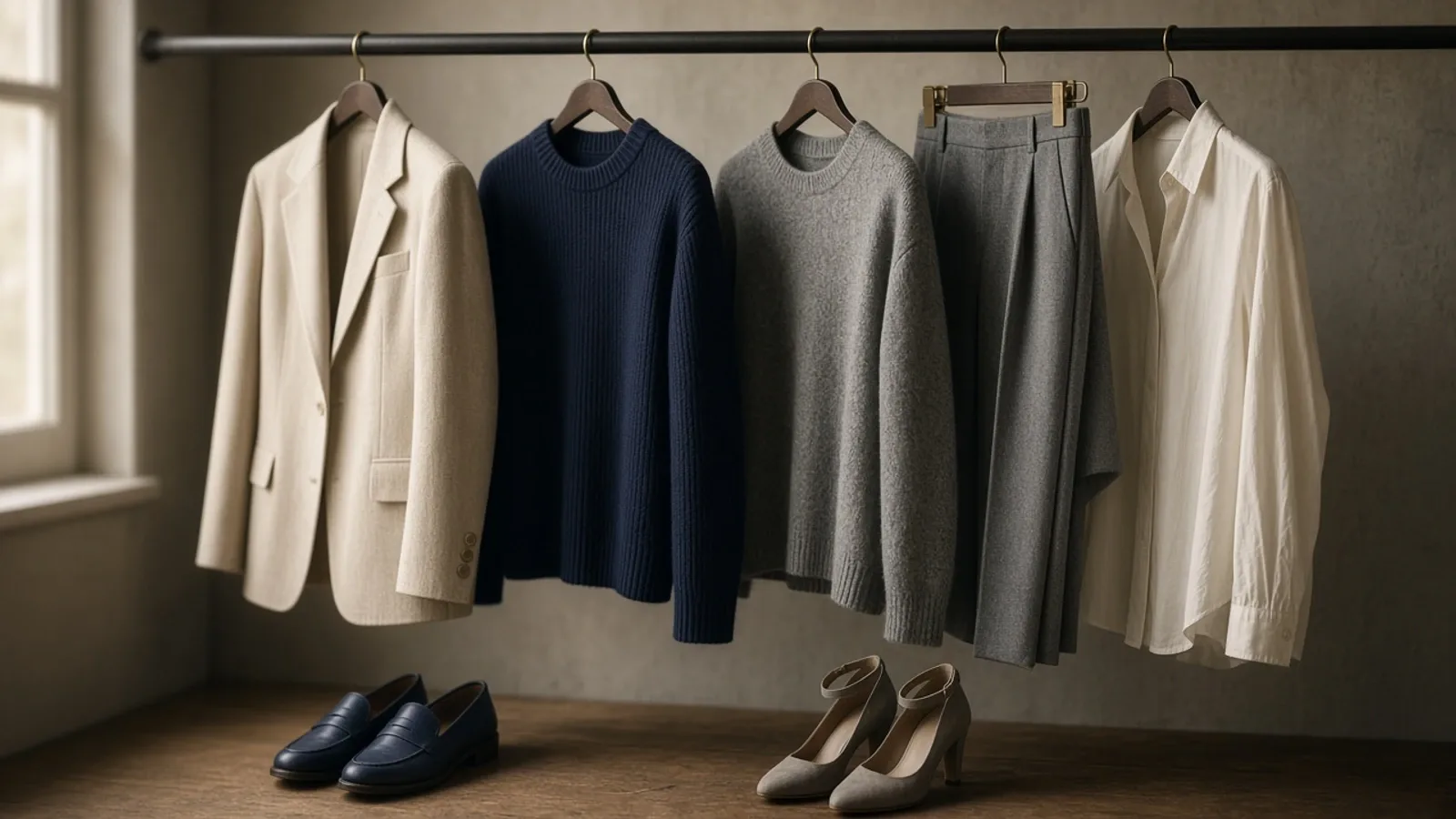
The five-piece workweek capsule
Five pieces, ten outfits, one workweek. A capsule that works because the colors do, not because you own more. Includes the matrix and what to spend on.
Nov 4, 2026
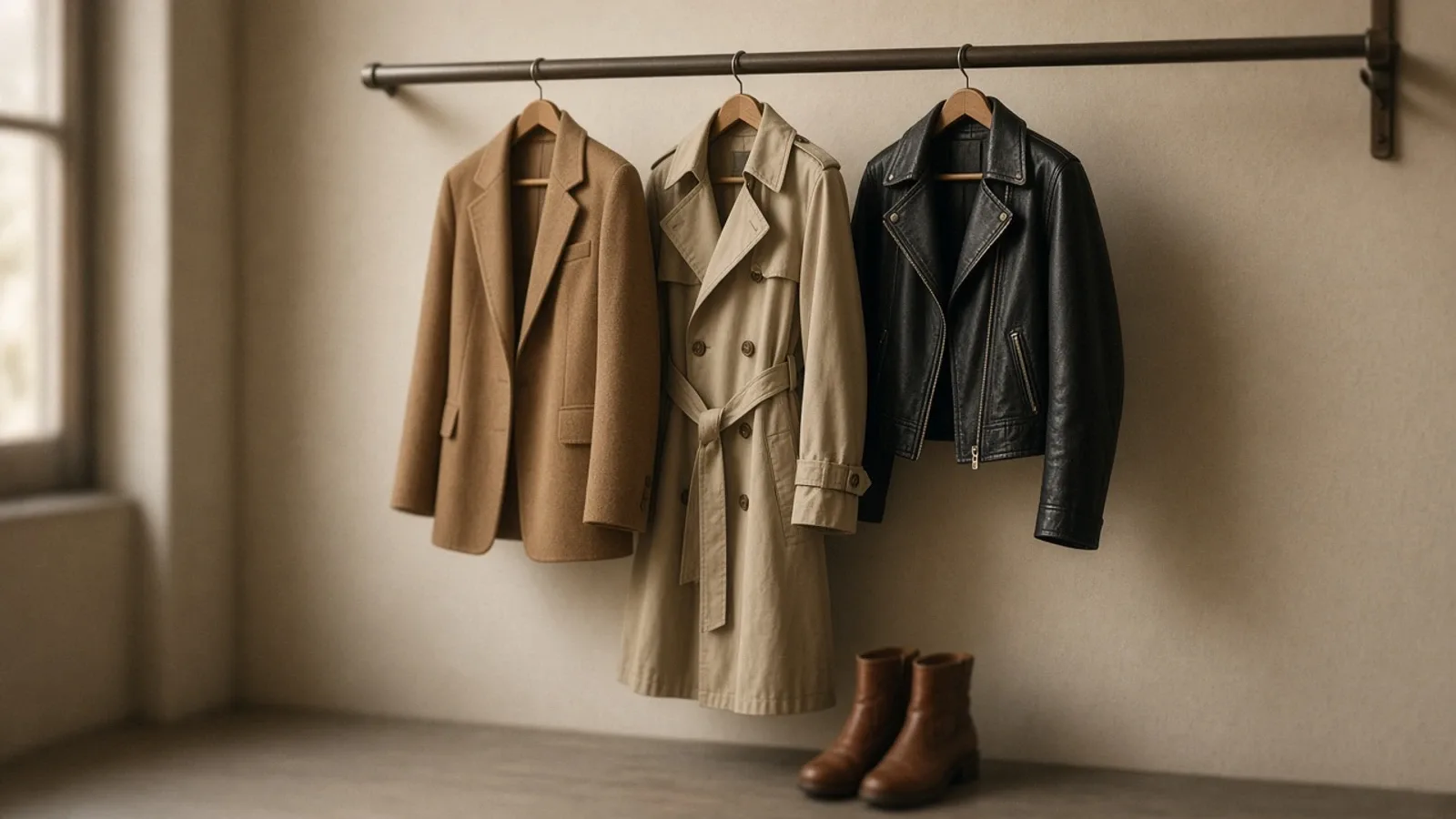
The three-jacket wardrobe
Three jackets, three jobs, one palette: the blazer, the trench, and the cropped jacket, with the proportions and color rules that make them work together.
Nov 5, 2026