The signature scent: how to choose one that lasts
In short
A signature scent is a memory anchor, not a personal brand. How to choose a family, test on skin, make it last, and build a small fragrance wardrobe.
- Eau de parfum at 15 to 20 percent concentration lasts longer than eau de toilette at 5 to 15 percent, so check the concentration before you blame your skin.
- Test no more than two scents at a time, one on each wrist, wear each for a full day, then wait a week before buying a bottle.
- Three bottles cover most needs: one signature for most days, one light citrus or green scent for warm weather, and one amber or woody evening scent.
By Cici
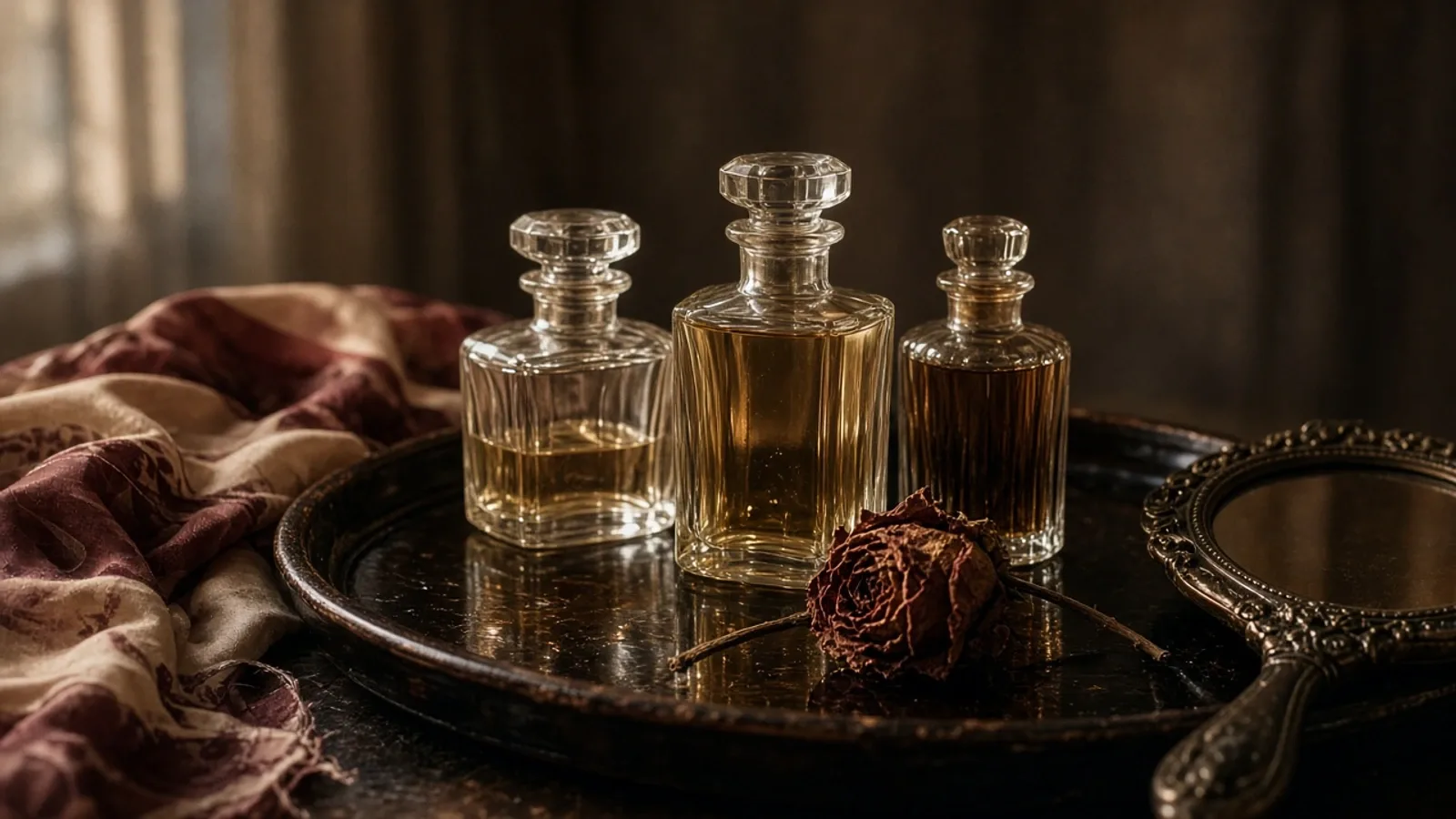
A signature scent is not a personal brand. It is a memory anchor. It is the smell people associate with you, and the one you associate with a period of your life.
That is a better reason to choose one than “it looks good on a vanity.” The goal is a scent you will still want to wear in three years.
Why scent sticks in memory
Odors are widely believed to be the most powerful trigger for autobiographical memory — the “Proust phenomenon.” A 2026 systematic review and meta-analysis examined that claim and found that odor-evoked memories do have distinctive qualities, even if the popular version is oversimplified.
The practical takeaway is not that a perfume will make people remember you forever. It is that scent is processed close to the emotional memory systems, which is why a single note can bring back a room, a person, or a year.
The four families
| Family | Character | Where it fits |
|---|---|---|
| Floral | Rose, jasmine, peony, orange blossom | Broad and familiar, easy to wear in daylight |
| Woody | Cedar, sandalwood, vetiver, patchouli | Dry, warm, and grounded, good in cool weather |
| Amber or oriental | Resins, vanilla, tonka, spices | Sweet and persistent, suited to evenings |
| Fresh | Citrus, green, aquatic, aromatic herbs | Light and clean, but the shortest-lived on skin |
Most fragrances sit in one of four families. Knowing the family is more useful than memorizing notes.
- Floral: rose, jasmine, peony, orange blossom. Broad and familiar.
- Woody: cedar, sandalwood, vetiver, patchouli. Dry, warm, grounded.
- Amber/oriental: resins, vanilla, tonka, spices. Sweet, warm, persistent.
- Fresh: citrus, green, aquatic, aromatic herbs. Light, clean, short-lived.
A signature is usually the family you reach for without thinking, not the one a quiz tells you.
How to choose
- Start with what you already like. Smell three perfumes you own or have loved. What family do they share?
- Test on skin, not paper. Paper shows the opening; skin shows the dry-down.
- Test one at a time. Two scents on two wrists is the maximum; more and you will confuse them.
- Wear it for a full day. The opening, the heart, and the base are different experiences.
- Ask one person you trust. Not a crowd, not a sales assistant on commission.
- Wait a week. If you still want it, buy it.
The capsule makeup bag principle applies: a small number of things you actually use beats a shelf of maybes.
Making it last
- Concentration: eau de parfum (15–20%) lasts longer than eau de toilette (5–15%).
- Application: spray on moisturized skin, pulse points, and clothing (test fabric first). Do not rub; it breaks the top notes.
- Storage: keep it out of sunlight and heat. A bathroom shelf is the worst place.
- Layering: a matching body lotion or oil can extend wear.
- Skin: dry skin holds scent less well; moisturize first. The body care routine is the same barrier logic.
If a perfume disappears in an hour, it may be an eau de toilette, a citrus-heavy composition, or a formula that does not suit your skin. A stronger concentration is not always better; sometimes a different family lasts longer on you.
A small fragrance wardrobe
- One signature: the scent you wear most days.
- One light daytime: citrus, green, or a soft floral for warm weather.
- One evening: amber, woody, or a richer floral for winter and nights.
Three is enough. If you love fragrance as a hobby, collect; if you want a signature, stop at the one that works.
Testing without buying
A sample is cheaper than a bottle you regret. Ask for a sample at the counter, buy a decant, or split a bottle with a friend. Wear it to work, not just to the shop, and note how it smells at hour six.
A test worth doing once: spray a single shot on the inside of your wrist at ten in the morning and leave it alone, no rubbing. Smell it at lunch, again in the early evening, and once more before bed. If the scent is still there at night, the concentration and the composition will stay with you through a working day. If it has vanished by lunch, you are holding a bright opening with almost no base. Write the three readings on the card that came with the sample. A week later, that note is more reliable than your memory of the bottle on the shelf.
The budget beauty guide applies the same logic: test before you invest, and do not pay for packaging you cannot try.
What not to do
- Do not buy from a paper strip. It is the opening, not the fragrance.
- Do not buy because a celebrity wears it. Skin chemistry is not a celebrity endorsement.
- Do not overspray to make it last. More perfume does not mean longer wear; it means a headache for the room.
- Do not store it in the bathroom. Heat and humidity degrade it.
- Do not replace a signature every season. Add a second scent instead.
Who this is not for
If you are sensitive to fragrance, have asthma, or work in a fragrance-free environment, do not force it. A signature scent is optional.
If you are pregnant or breastfeeding and worried about fragrance ingredients, ask a clinician. And if you already have a scent you love, you do not need a method; you need a backup bottle.
Method and limits
This is a fragrance-choice guide derived from the CiciTrends capsule and color principles. The memory claim is supported by a 2026 meta-analysis of odor-evoked autobiographical memory; individual skin chemistry and preference vary.
Sources
- Bobei OI, Cîrneci D, Podina IR. Is the Proust phenomenon fact or fiction? A systematic review and meta-analysis of odor-evoked autobiographical memory. Psychonomic Bulletin & Review, 2026.
- Bhola A, Sharma A, Vashisth K, Dixit A. Role of Odour Perception in Health and Disease. European Journal of Neuroscience, 2026.
Direct answers
Frequently asked questions
How do I find my signature scent?
Start with a fragrance family you already like, test three or four on skin, and wear each for a full day. The one you stop noticing but others comment on is often the right one. Do not buy from a paper strip alone.
Why does perfume fade so quickly on me?
Concentration, skin type, application, and storage all matter. Eau de parfum lasts longer than eau de toilette; dry skin holds scent less well; rubbing the wrists and storing the bottle in heat shorten its life.
How many perfumes do I need?
One signature and one or two alternatives is enough for most people: a lighter daytime scent, a warmer evening scent, and the one you think of as yours.
Can I wear the same scent every day?
Yes. A signature scent is meant to be repeated. If you get bored, add a second scent for a different season or mood rather than replacing the first.
Is expensive perfume better?
Not automatically. Price reflects the concentration, ingredients, packaging, and brand. A cheap eau de parfum can outperform an expensive eau de toilette if the concentration and composition suit you.
About the author

The editorial voice of CiciTrends. Color, fit, and the small decisions that make a wardrobe work. Written by an AI-assisted desk under human direction.
Reporting, sourcing and AI disclosure:/editorial-standards/
Keep reading
Related stories
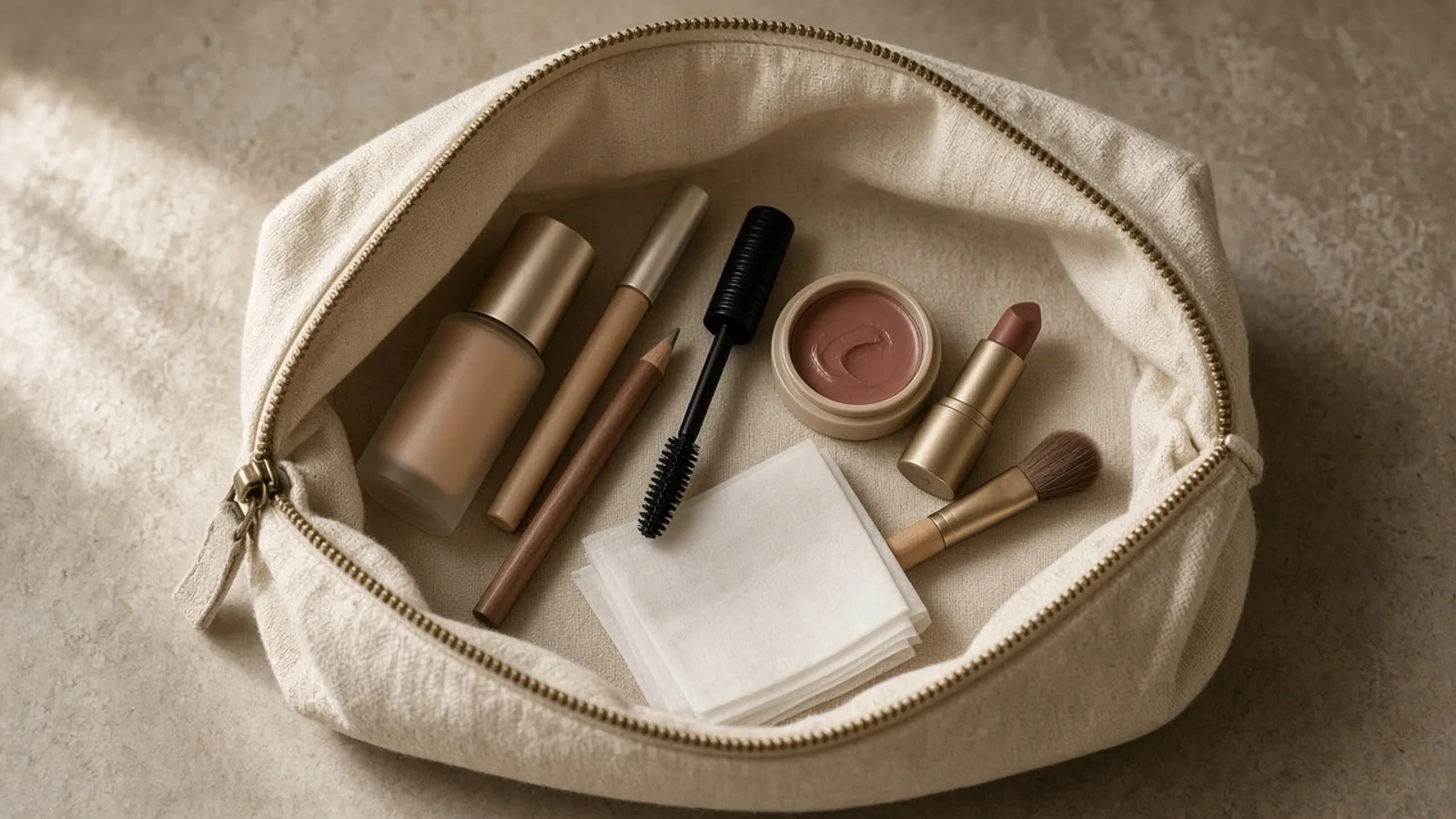
The capsule makeup bag: eight products, one face
A capsule is not three products and a dream. It is the smallest set that covers your real week — with a tracking method, eight categories, and upkeep.
Jan 7, 2026
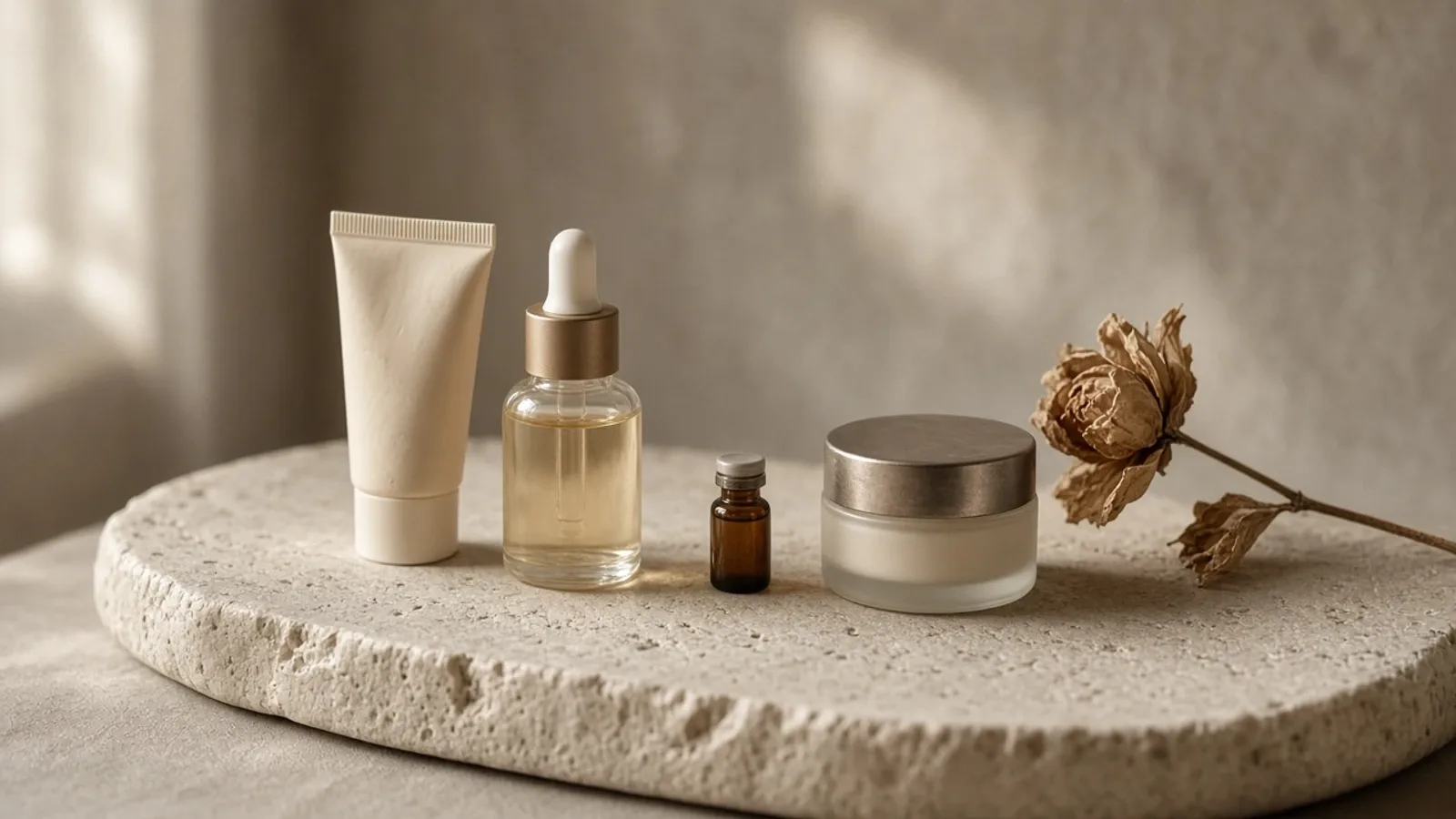
Cycle-syncing skincare: what the evidence actually supports
Sebum, hydration, and barrier function do shift across the menstrual cycle. The evidence is limited and conflicting — so here is a simple phase-aware routine.
Jan 3, 2026
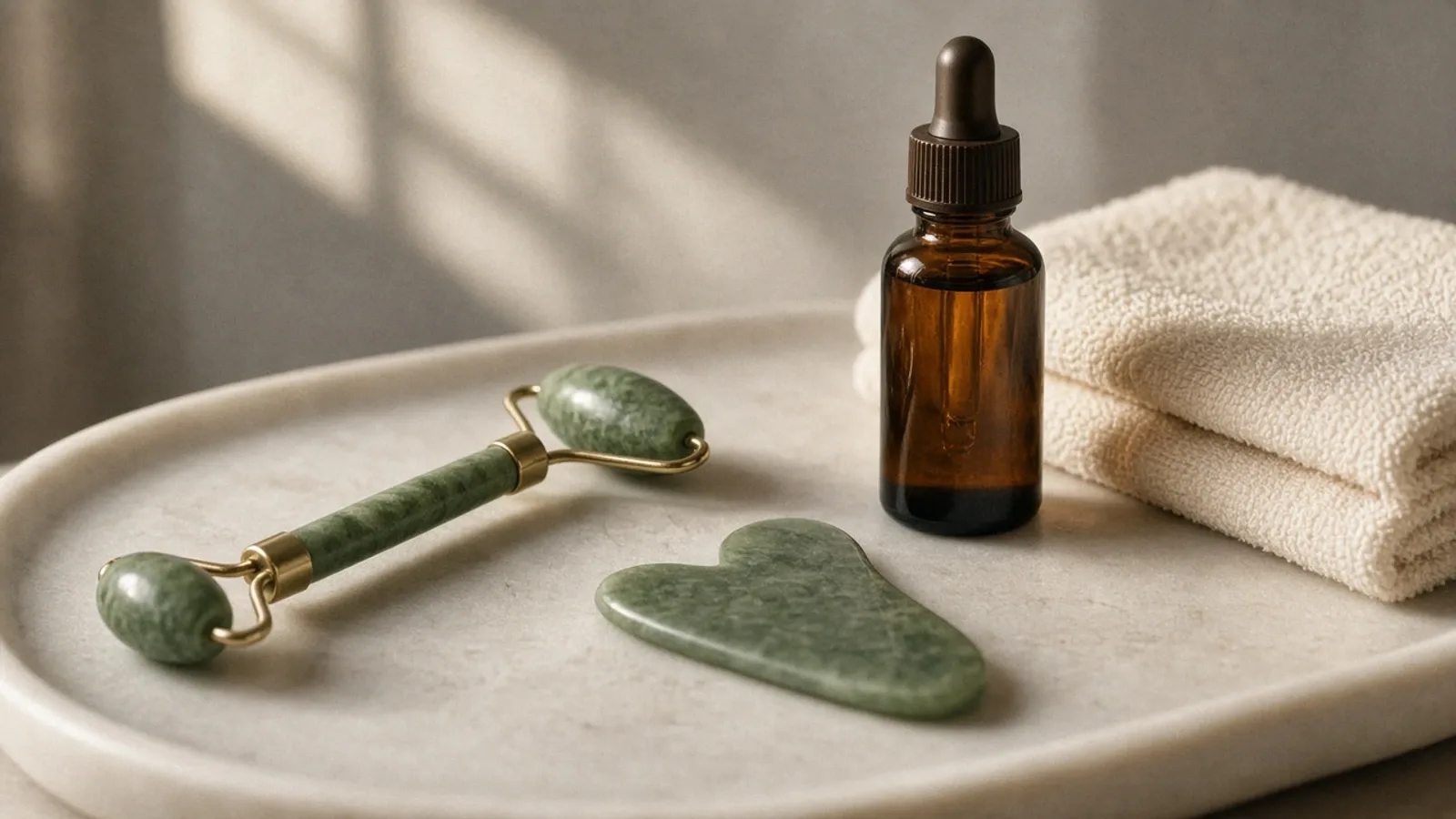
Facial massage: what it can and cannot do
It can feel good and reduce a puffy morning. It cannot detox, permanently contour, or replace sunscreen. A five-minute routine with honest limits.
Dec 31, 2025