How to buy budget beauty that actually works
In short
Price is a poor proxy for formulation. Where to spend, where to save, how to read a budget label, and why the perfect dupe is mostly a myth.
- Price is a poor proxy: a cleanser can cost $8 or $48 and a mascara $6 or $32, while the active ingredient, its concentration, and the packaging decide what the formula can do.
- Spend on sunscreen, a retinoid you tolerate, and a moisturiser with ceramides, glycerin, or petrolatum; save on mascara, lip liner, body lotion, cleanser, and tools.
- Before buying a budget product, check three things: an identifiable active at a usable concentration, a place in your existing routine, and a returns policy you can rely on.
By Cici
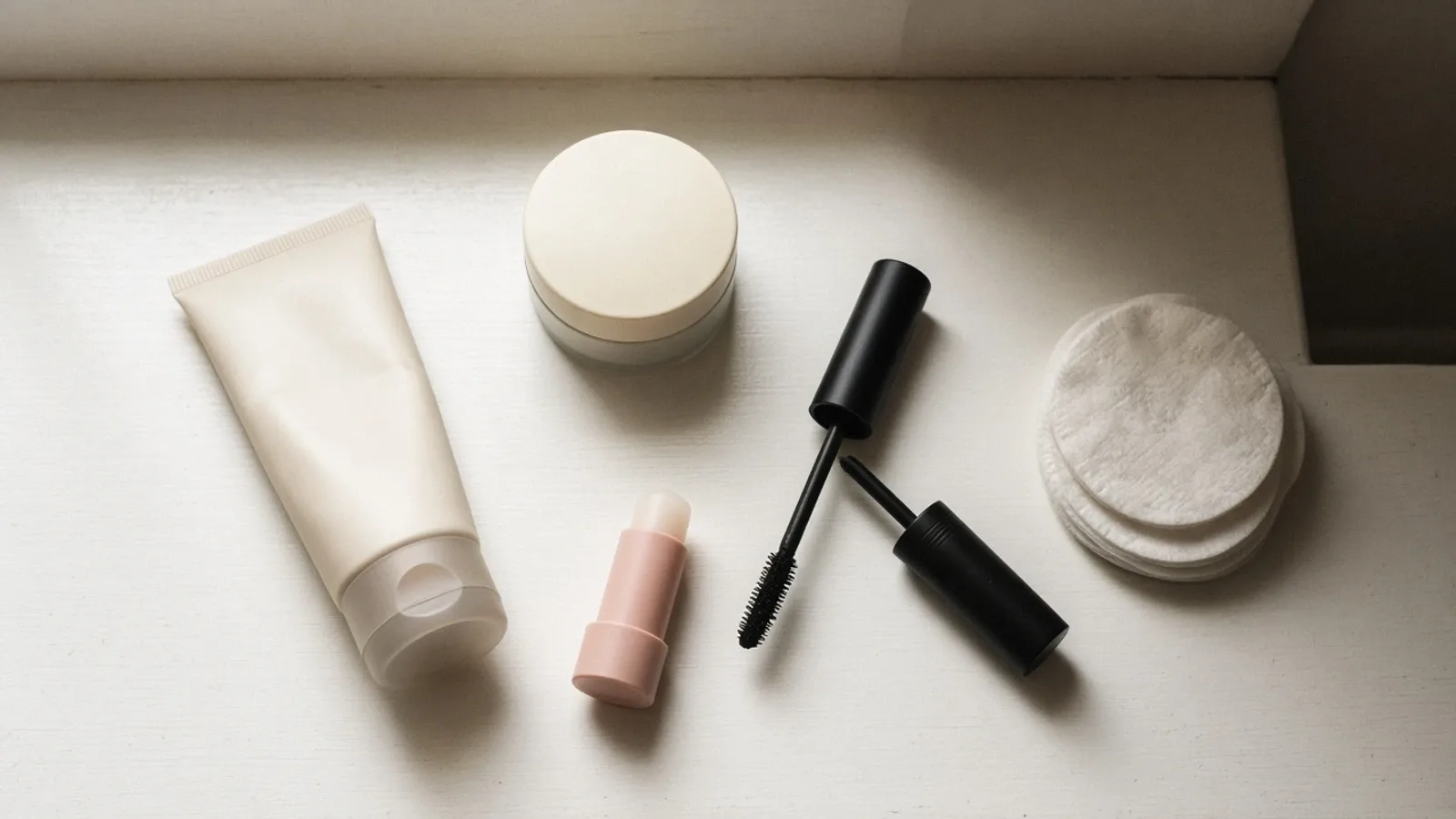
The beauty industry has two prices for the same chemistry. A cleanser can cost $8 or $48; a mascara can cost $6 or $32. Sometimes the expensive one is better. Often it is not.
The useful skill is not finding dupes. It is knowing which categories reward formulation and which categories reward marketing.
The short answer
| Category | Spend or save | Reason |
|---|---|---|
| Sunscreen | Spend | The highest-return skincare product, and the best one is the one you will wear |
| Retinoid | Spend | The evidence is stronger than for most of the category |
| Moisturiser | Spend | Ceramides, glycerin, and petrolatum do the work at any price |
| Mascara | Save | A short-use product where the brush and formula matter more than the price |
| Cleanser | Save | A gentle, fragrance-free wash rinses off |
| Tools and cotton pads | Save | Replace them often rather than buying luxury versions |
Spend on:
- Sunscreen. It is the highest-return skincare product, and the best one is the one you will wear.
- A retinoid you tolerate. The evidence is stronger than for most of the category.
- A moisturizer that suits your skin. Ceramides, glycerin, and petrolatum do the work.
Save on:
- Mascara. It is a short-use product; the brush and formula matter more than the price.
- Lip liner. Pigment and texture are simple; the drugstore version is often identical.
- Body lotion. The body has a thicker barrier and tolerates simpler formulas.
- Cleanser. A gentle, fragrance-free cleanser does not need to be expensive.
- Cotton pads, sponges, and tools. Replace them often rather than buying luxury versions.
Why price is a poor proxy
A 2026 review of ceramides and the skin barrier describes how ceramides, cholesterol, and fatty acids form the “mortar” of the stratum corneum. Those ingredients are not expensive. A moisturizer can deliver them at a drugstore price.
What costs money is often:
- Packaging — glass, airless pumps, and elaborate cases.
- Fragrance — a perfume brief is expensive to develop.
- Marketing and retail margin.
- Texture — the sensory experience of a serum is a formulation choice, not a measure of efficacy.
- Clinical testing — some brands pay for trials; many do not.
None of that is automatically bad. It is just not the same as “works better.”
How to read a budget label
- Look for the active. Sunscreen filters, retinoid type, ceramides, glycerin, salicylic acid. The ingredient list tells you more than the front of the box.
- Check the concentration if it is disclosed. “Retinol” on the front means little without a percentage.
- Avoid fragrance if your skin is reactive. “Fragrance-free” is not the same as “unscented.”
- Check the packaging. A pump or tube protects actives better than a jar.
- Check the expiry. A cheap product you use is better than an expensive one that expires.
The dupe myth
A dupe can match a color, a texture, or a finish. It rarely matches the full formula, the pH, the preservative system, or the stability of the actives.
If the dupe has the same active at the same concentration, it may be worth trying. If the dupe is based on the packaging, the shade name, or a single influencer comparison, it is a lottery ticket.
The lipstick by season guide is a better use of a small budget than chasing a prestige shade: find the color family first, then buy the cheap version.
A budget routine
Morning: gentle cleanser or water, moisturizer, sunscreen.
Evening: cleanser, retinoid two or three nights a week, moisturizer.
That is it. The barrier reset covers what to do when the routine irritates you, and the capsule makeup bag applies the same logic to color cosmetics.
The three-product test
Before you buy a budget product, ask three questions:
- Does it have the active I need, at a concentration I can identify? If the front of the pack is vague, the back matters more.
- Does it fit the routine I already have? A cheap product that duplicates something you own is not a saving.
- Can I return it? If the answer is no, read the ingredient list twice.
If the product passes all three, try it. If it fails one, leave it on the shelf.
What not to buy
- A “dupe” you cannot test. If you cannot return it, do not buy it on a screenshot.
- A ten-step routine. More products means more chances to irritate the barrier.
- Actives in a jar. Light and air degrade many actives.
- A luxury cleanser. It rinses off; the formulation does not need to be precious.
- Expensive tools you will not clean. A cheap brush you wash beats an expensive one you do not.
Who this is not for
If you love a luxury product and it fits your budget, buy it. Pleasure is a legitimate reason. This is a guide for spending less without pretending the cheap version is always identical.
If you have a skin condition, a prescription product may be the best value. Ask a dermatologist before building a routine around drugstore actives.
Method and limits
This is a spending framework derived from formulation basics and the CiciTrends evidence standard. It does not test individual products or claim that a specific drugstore item is identical to a specific prestige item. Patch-test new products and check the label.
Sources
- Farris PK, Campos V. Evidence-Based Alternative Strategies to Improve and Restore Skin Barrier Function: A Narrative Review. American Journal of Clinical Dermatology, 2026.
- Wertz PW, Fluhr JW. Ceramides and the Defective Barrier in Atopic Dermatitis. Skin Pharmacology and Physiology, 2026.
Direct answers
Frequently asked questions
Is expensive skincare better than drugstore skincare?
Not automatically. Price reflects packaging, marketing, fragrance, and retail margin as much as formulation. The active ingredient, its concentration, and the delivery system matter more than the brand.
Where should I spend more on beauty?
Sunscreen, a retinoid you will actually use, and a moisturizer that suits your skin. These are the products with the most evidence and the most daily contact with your skin.
Where can I save on beauty?
Mascara, lip liner, body lotion, cleanser, and cotton pads. These are simple formulas or short-use products where the drugstore version is often indistinguishable from the expensive one, so the price buys packaging and marketing rather than better performance.
Are beauty dupes worth it?
A dupe can match a texture or color, but it rarely matches the full formula. If the active ingredient and concentration are the same, it may be worth trying. If the dupe is based on packaging, skip it.
About the author

The editorial voice of CiciTrends. Color, fit, and the small decisions that make a wardrobe work. Written by an AI-assisted desk under human direction.
Reporting, sourcing and AI disclosure:/editorial-standards/
Keep reading
Related stories
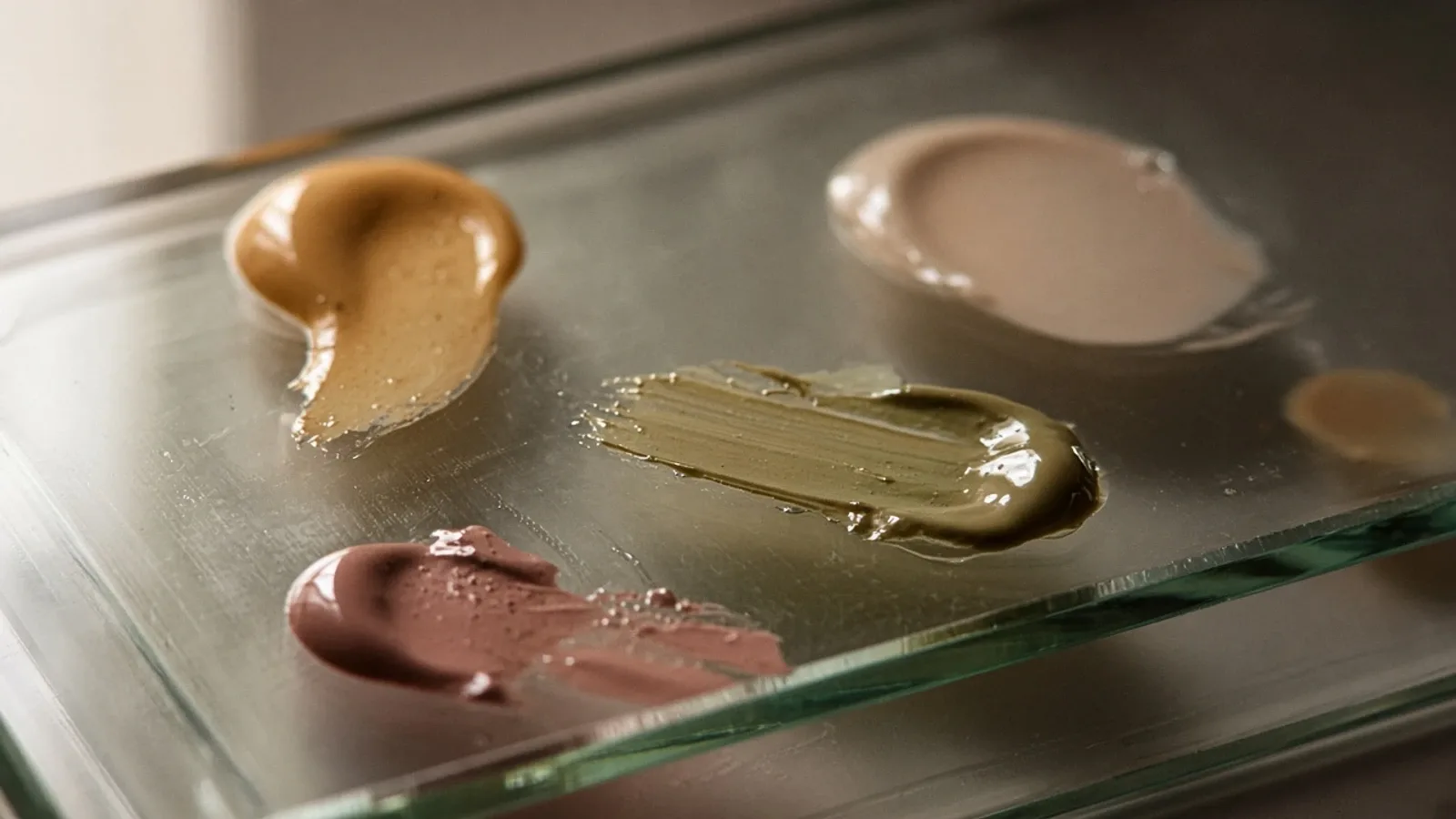
Why your foundation turns orange
It is usually not your skin's pH. Research points to sebum, pigment load, and the wrong undertone. Here is the fix for warm, cool, olive, and neutral skin.
Nov 4, 2026
The signature scent: how to choose one that lasts
A signature scent is a memory anchor, not a personal brand. How to choose a family, test on skin, make it last, and build a small fragrance wardrobe.
Dec 31, 2025
How to reset your skin barrier (without stopping everything)
A barrier reset is not a week of doing nothing. It is removing the irritants, keeping the basics, and giving the skin time to recover.
Dec 30, 2025