Celebrity color twins: copy the palette, not the face
In short
A color twin is a reference, not a comparison. How to find one, what to copy, what to ignore, and why the same season can look different on two people.
- A useful colour twin matches your undertone, depth and contrast, not your face shape: warm, cool or neutral first, then light to deep, then soft or clear.
- Save three or four images of the twin in daylight, red-carpet and casual light, and discard the reference if the palette only works in one of them.
- Copy the colours near the face, the metal, the contrast level and the neutral base, then ignore the exact outfit, the body, the budget and the disputed season label.
By Cici
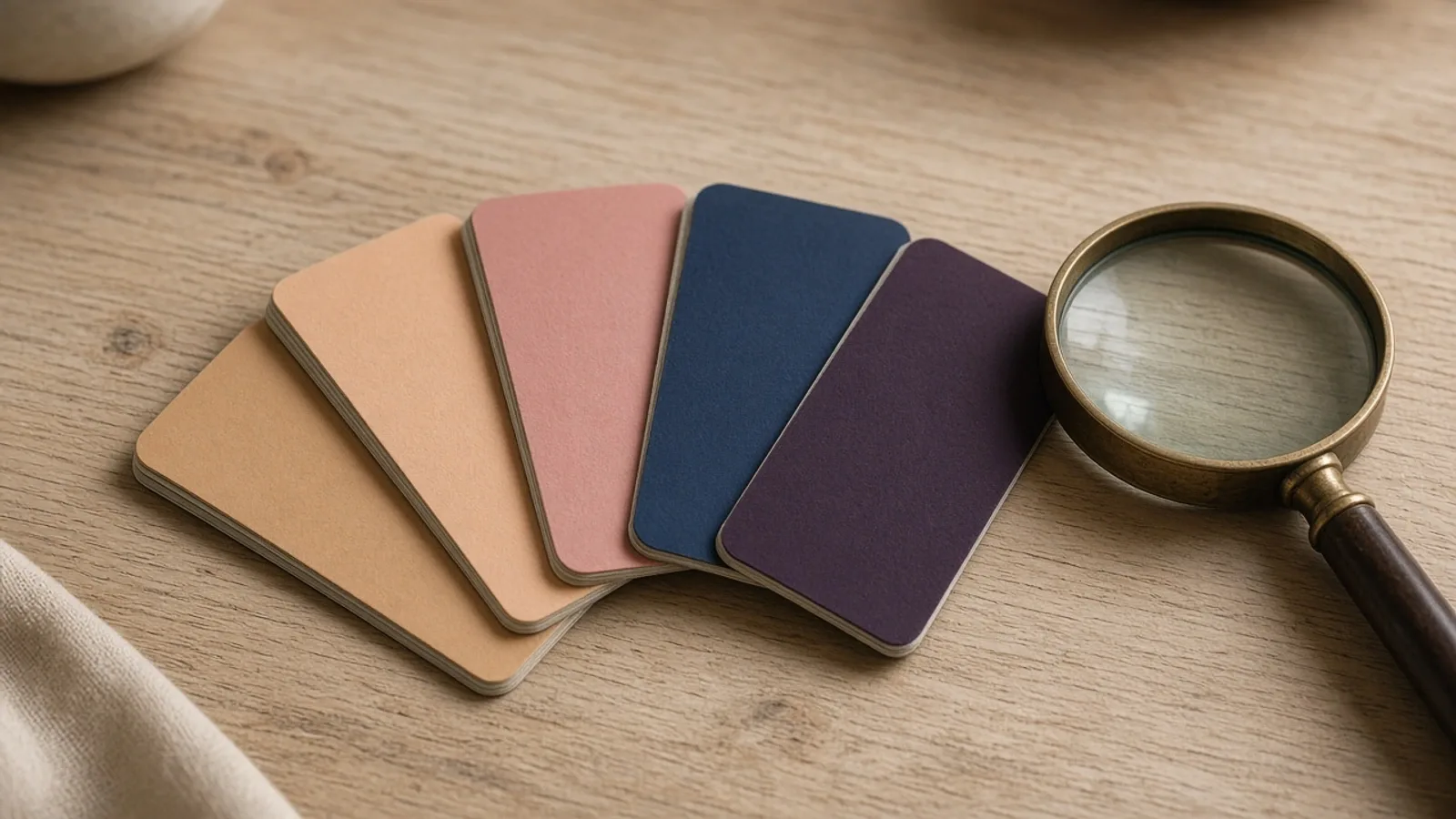
A celebrity color twin is a reference, not a comparison. The point is not to look like the person; it is to borrow the color logic that makes them look alive.
The internet is full of “find your celebrity twin” posts that treat a red-carpet photo as a diagnosis. That is not how color analysis works. Lighting, makeup, tanning, and filters change everything.
Used well, a color twin is a shortcut: a person whose palette is close enough to yours that you can study what works without starting from zero.
What a color twin actually is
A color twin is someone whose:
- Undertone is close to yours — warm, cool, or neutral.
- Depth is close — light, medium, or deep.
- Contrast is close — soft and blended, or clear and high-contrast.
That is the same information the color analysis quiz uses. The celebrity is just a visual reference for the result.
Why it helps
- It makes the palette concrete. “Warm autumn” is abstract; a person wearing rust, camel, and olive is not.
- It shows contrast in action. You can see how a low-contrast person wears a monochrome outfit, or how a high-contrast person uses a sharp lip.
- It gives you a test set. If a color looks good on your twin, it is worth trying on you.
It does not tell you what will fit, what suits your climate, or what your budget can buy.
How to find one
- Take the quiz or get a professional analysis. Start with your season.
- Look for the same undertone and contrast. Not the same hair color; the same relationship between skin, hair, and eyes.
- Check several photos. Daylight, red carpet, casual. If the analysis only works in one photo, it is not reliable.
- Ignore the features. A shared jawline is not a shared palette.
- Test the colors on yourself. The twin is a hypothesis, not a verdict.
If public analysts disagree about the celebrity, that is a sign to trust the colors, not the label.
What to copy
| Element | Copy it? | Reason |
|---|---|---|
| Colours near the face | Yes | The neckline, lip and scarf do the most work |
| Contrast level | Yes | A soft palette on a high-contrast face looks flat |
| Metal, gold or silver | Yes | It confirms your temperature |
| Exact outfit | No | A red-carpet look is not a Tuesday outfit |
| Body and tailoring | No | Their proportions are not yours |
| Disputed season label | No | Trust the colours, not the label |
- The colors near the face. The neckline, the lip, the scarf.
- The metal. If gold looks right on your twin, it is a useful clue. The gold vs silver test confirms it.
- The contrast level. A soft palette on a high-contrast face will look flat, even if the colors are “right.”
- The lip and blush family. The lipstick by season guide translates the palette to makeup.
- The neutral base. The coat, the trouser, the bag.
What to skip
- The exact outfit. A red-carpet look is not a Tuesday outfit.
- The body. Their proportions are not yours, and the clothes are tailored to them.
- The budget. A stylist, a tailor, and a designer bag are not the point.
- The beauty standard. A color twin is not a comparison project.
- The label. If the celebrity’s season is disputed, do not build an identity on it.
The comparison trap
The useful question is “does this color make my skin look alive?” The unhelpful question is “why don’t I look like her in this color?”
Two people in the same season can look different in the same shade because depth and chroma vary. A deep winter and a bright winter both suit cool colors, but not the same red. A soft autumn and a true autumn both suit warm colors, but not the same brown.
The colors that drain you explains the contrast piece. Use the twin to narrow the test, not to judge the result.
How to use the quiz
The CiciTrends color analysis quiz gives you a season and a palette. Once you have that, search for public figures with the same season and a similar contrast level. Save three or four images. Then test the colors against your face in daylight.
The twin is a reference library, not a mirror. The palette is a tool, not a verdict. Use it lightly.
One worked example
Say the quiz returns soft autumn and the nearest public twin is a singer you will never meet, photographed at an awards show in a rust slip dress. Do not save the dress. Save the three colors around her face: the rust, the soft gold at her ears, the warm brown of her lip. Take those to a shop with daylight, hold a scarf in each shade under your chin, and look at your skin rather than the scarf. If the rust makes your face look even and awake, the palette is worth keeping. If it only works in the photograph, the twin was a coincidence. Either way, you now know something about your own contrast that a season label alone cannot tell you.
Who this is not for
If color analysis feels like a constraint, skip the twin and use the palette directly. If you do not recognise yourself in the season, trust the mirror over the label.
And if you enjoy celebrity style as entertainment, keep it as entertainment. It is not a diagnosis.
Method and limits
This is a styling framework derived from the CiciTrends Color System. Celebrity color analyses are often speculative and based on photographs; use them as prompts, not evidence. The color psychology context is supported by the research cited below.
Sources
- Elliot AJ, Maier MA. Color Psychology: Effects of Perceiving Color on Psychological Functioning in Humans. Annual Review of Psychology, 2014.
- CiciTrends Color System. The 12 seasons. Internal framework used for the seasonal analysis.
Direct answers
Frequently asked questions
What is a celebrity color twin?
A color twin is a public figure whose undertone, depth, and contrast are close enough to yours that their palette is a useful reference. It is not a claim that you look alike or that their styling will work for your life.
How do I find my color twin?
Start with your season, then look for someone with a similar undertone and contrast. Ignore features and body; compare coloring, hair depth, and how they look in warm versus cool colors.
Should I copy a celebrity's outfits?
Copy the color logic, not the outfit. The same palette can look different with your budget, climate, and body. Use the celebrity as a reference for what colors work, then adapt the pieces.
Why do two people in the same season look different?
Season is a broad category. Within a season, depth, contrast, and chroma vary. Two winters can wear different reds; two autumns can wear different browns. The season is a starting point, not a uniform.
Are celebrity color analyses accurate?
Often not. Public analyses are guesses based on photographs, lighting, and makeup. Use them as a prompt to test colors on yourself, not as a diagnosis.
About the author
The editorial voice of CiciTrends. Color, fit, and the small decisions that make a wardrobe work. Written by an AI-assisted desk under human direction.
Reporting, sourcing and AI disclosure:/editorial-standards/
Keep reading
Related stories
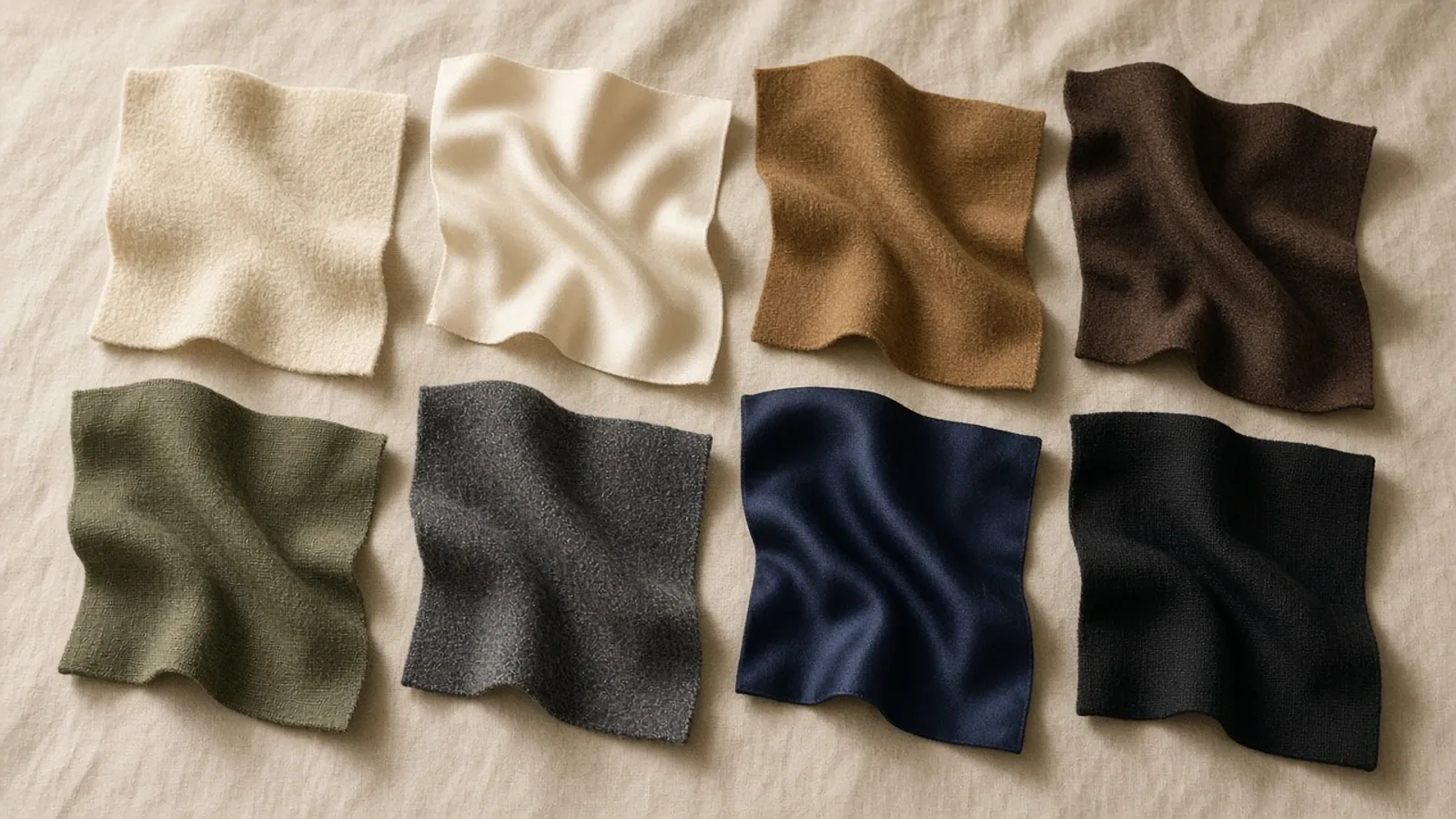
The 8 neutrals every palette needs
All 60 neutrals in the Color System were counted. Only two colors repeat in five seasons. The eight neutral roles worth buying, and the black almost nobody should own.
Nov 4, 2026
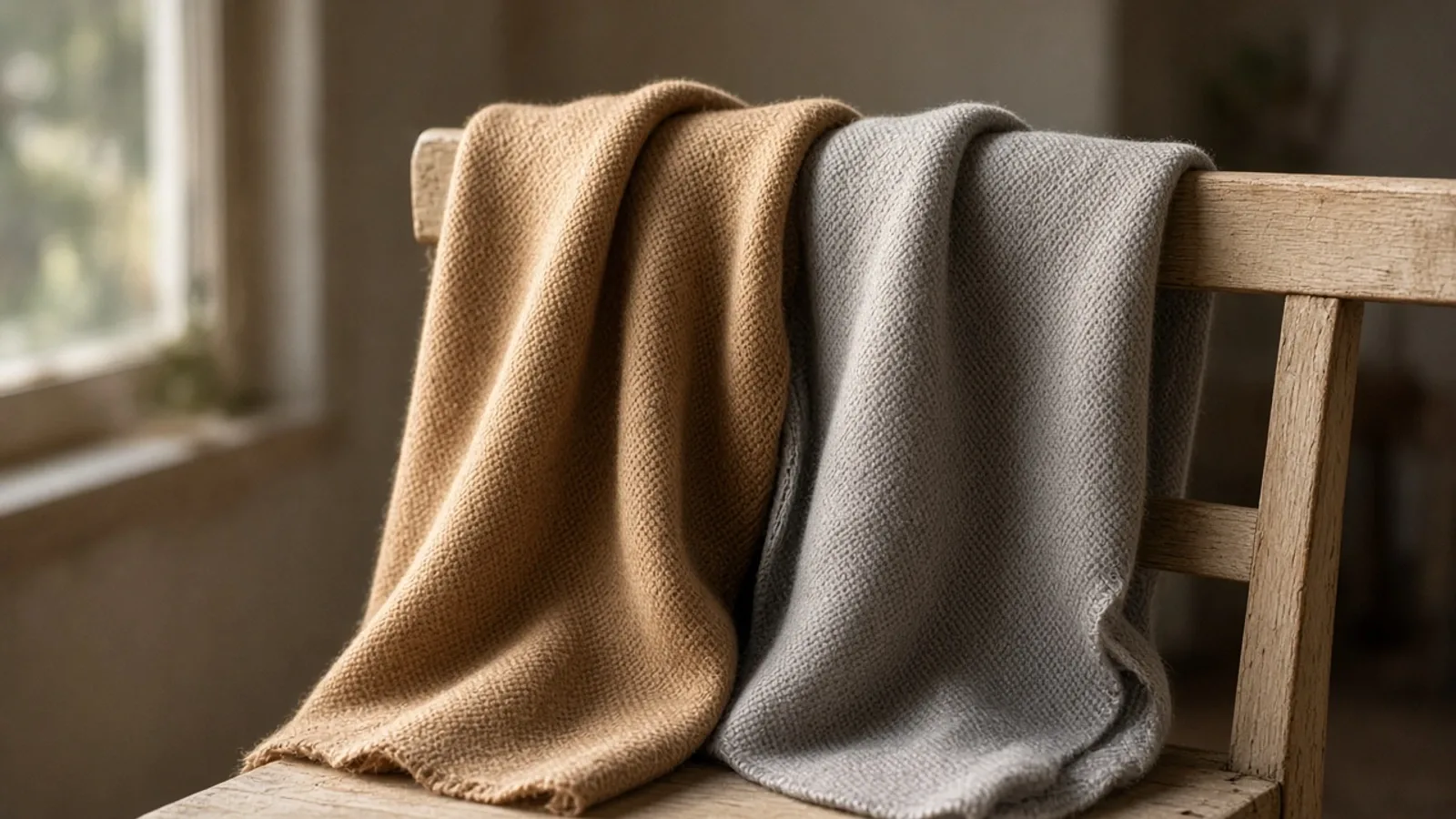
The colors that drain you (and the ones that don't)
A color can make you look tired without changing your face. The contrast and undertone rules behind it, and how to test a shade in daylight.
Jan 5, 2026
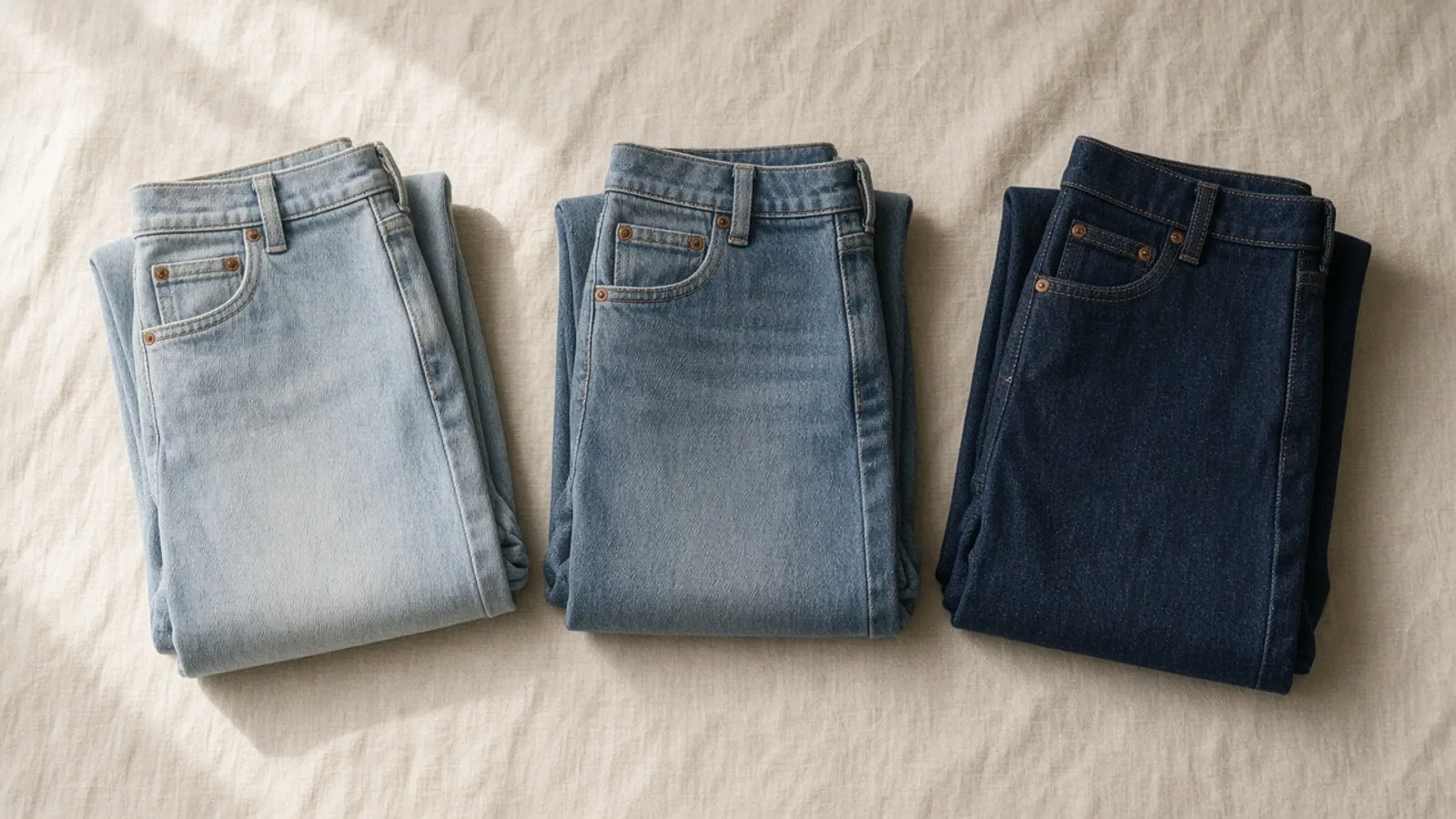
The three denim washes your season needs
Denim is a color decision before it is a fit decision. Here are the three washes worth owning for each of the 12 color seasons, and the black pair most women should skip.
Nov 4, 2026