Lipstick by color season: the shades that work
In short
Most lipstick advice fails because it ignores undertone and contrast. A practical map of the 12 seasons, the reds, the nudes, and how to test in daylight.
- Warm undertones take peach, coral, brick and tomato; cool undertones take blue-red, berry, mauve and cherry; soft colouring needs muted shades, bright colouring can carry clear saturated ones.
- A red that makes teeth look yellow is too warm; one that makes skin look grey is too cool; a red that makes the face look awake is the right undertone.
- Test lipstick on the lips in daylight rather than on the hand, and wait ten minutes, because the colour warms and settles while shop lighting flatters everything.
- A nude should sit slightly above or below your natural lip tone: too pale erases the mouth and too brown looks heavy, so match the temperature, not the skin depth.
By Cici
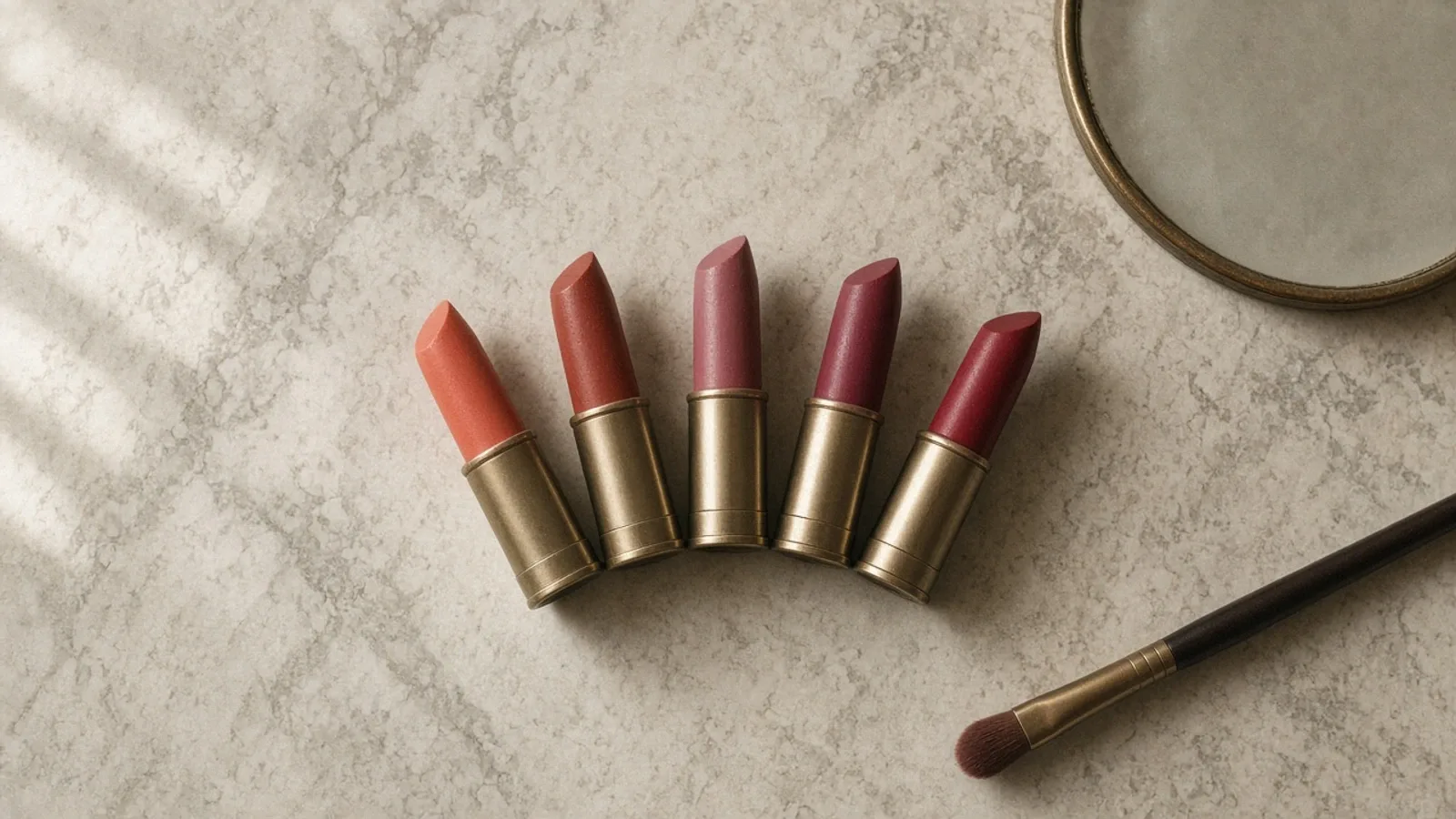
Most lipstick advice fails because it starts with the wrong variable. It asks “what shade is trendy?” or “what suits my skin tone?” before asking “what is my undertone, and how much contrast can my face carry?”
A lipstick is a small area of saturated color next to the face. That makes it one of the most revealing tests of whether a color is in your palette — and one of the fastest ways to look tired if it is not.
Why shade matching fails
- Hand swatches lie. The skin on your hand is a different color and thickness from your lips.
- Store lighting lies. Warm shop lights make everything look more golden; daylight shows the real undertone. Ask for a mirror by the window, or step outside.
- The lip has its own pigment. A sheer shade will look different on a pigmented lip than on a pale one.
- Trend ignores contrast. A bright orange-red can overwhelm a soft, low-contrast face even if the undertone is right.
The color has to work with your skin, your teeth, and the rest of your makeup. That is a system, not a single swatch.
The four families
The CiciTrends Color System groups the 12 seasons into four broad families, plus the bright and soft in-betweens. Use this as a starting point, not a law.
| Season family | Shades that work | Shades to avoid |
|---|---|---|
| Spring | Peach, coral, warm pink, tomato, warm red | Cool mauve, blue-red, heavy matte brown |
| Summer | Rose, mauve, berry, soft plum, cool pink, muted red | Orange-red, warm brick, very dark brown |
| Autumn | Brick, rust, terracotta, warm brown, copper | Icy pink, blue-red, cool fuchsia |
| Winter | True red, blue-red, berry, plum, blackberry | Warm orange, peach, yellow-brown |
Spring: warm and fresh
Light Spring, True Spring, Bright Spring.
- Best: peach, coral, warm pink, tomato, warm red, glossy finishes.
- Avoid: cool mauve, blue-red, heavy matte brown.
- Finish: sheer, glossy, satin.
Summer: cool and soft
Light Summer, True Summer, Soft Summer.
- Best: rose, mauve, berry, soft plum, cool pink, muted red.
- Avoid: orange-red, warm brick, very dark brown.
- Finish: sheer, satin, blurred.
Autumn: warm and rich
Soft Autumn, True Autumn, Deep Autumn.
- Best: brick, rust, terracotta, warm brown, olive-tinged nude, copper.
- Avoid: icy pink, blue-red, cool fuchsia.
- Finish: matte, satin, stained.
Winter: cool and bold
Deep Winter, True Winter, Bright Winter.
- Best: true red, blue-red, berry, plum, blackberry, cool fuchsia.
- Avoid: warm orange, peach, yellow-brown.
- Finish: matte, lacquer, sharp liner.
The reds
A red lip is the hardest to get right and the easiest to diagnose.
- Warm reds: tomato, brick, orange-red, rust. Best on spring and autumn.
- Cool reds: blue-red, cherry, raspberry, wine. Best on summer and winter.
- True red: a balanced red that works on many people, especially winters and brights.
If a red makes your teeth look yellow, it is probably too warm. If it makes your skin look gray, it is probably too cool. If it makes your face look awake, it is yours.
The nudes
A nude is not “the color of your skin.” It is a shade that sits slightly above or below your natural lip tone, with the right temperature.
- Warm nudes: peach, caramel, honey, warm rose.
- Cool nudes: mauve, rose, cool beige, plum-brown.
- Soft nudes: muted rose, taupe, dusty pink.
A nude that is too pale can erase the mouth; one that is too brown can look heavy. The foundation oxidation guide explains why the base can shift too; lipstick is not the only product that changes in daylight.
How to test
- Go makeup-free or with your usual base.
- Test on the lips, not the hand.
- Use daylight, near a window.
- Wait ten minutes. The color warms and settles.
- Check the teeth and the skin around the mouth. Yellow teeth or a gray cast means the undertone is off.
- Try a liner to shift a shade that is close but not quite right.
The color analysis quiz gives you the season; the gold vs silver test confirms the temperature. The capsule makeup bag is the place to keep the shades that actually work.
The shade you will actually wear
The real test is repetition. Put the shade on before breakfast, wear it through a coffee and a phone call, and look again at four in the afternoon when the shine has gone. A lipstick that needs a liner, a brush and a mirror to top up will stay in the bag. One that you can reapply in a taxi mirror, in ten seconds, will be worn until the bullet is flat. Buy the second kind, even if the first looks better under the shop lights. Color is only half the decision; the other half is whether the formula lets you live in it.
Who this is not for
If you love a shade, wear it. A lipstick is not a medical decision, and the rules are a shortcut, not a gate.
If you have a lip condition, an allergy to a pigment, or a cold sore, treat that first. And if you are shopping on a budget, buy one drugstore version of the shade family before investing in a luxury formula; the color matters more than the packaging.
Method and limits
This is a shade map derived from the CiciTrends Color System. It is a styling framework, not a claim that a specific product will look identical on every person. Skin tone, lip pigmentation, lighting, and formula all change the result.
Sources
- Elliot AJ, Maier MA. Color Psychology: Effects of Perceiving Color on Psychological Functioning in Humans. Annual Review of Psychology, 2014.
- CiciTrends Color System. The 12 seasons. Internal framework used for the seasonal map.
Direct answers
Frequently asked questions
What lipstick shade suits my skin tone?
Start with your undertone and contrast, not your skin depth. Warm undertones usually suit warm reds, corals, and brick; cool undertones suit blue-reds, berries, and mauves. Soft coloring does better with muted shades; bright coloring can carry clear, saturated color.
What is the best red lipstick for cool undertones?
A blue-based red, berry or cool cherry. True reds with a blue base look clear on cool skin, while orange-reds can turn it sallow. If a red makes your teeth look yellow it is too warm; if it makes your skin look grey it is too cool for you.
What is the best red lipstick for warm undertones?
A warm brick, tomato or orange-red. Blue-reds can look harsh on very warm skin, so keep the base warm and the finish satin or matte rather than glossy. A true red sits in the middle and suits many people, especially winters and brights.
How do I test a lipstick before buying?
Test on the lips, not the hand, in daylight near a window. Wear it for ten minutes, because the color shifts as it warms. If it makes the skin around your mouth look grey or the teeth look yellow, it is the wrong undertone.
Can I wear a lipstick that is not in my season?
Yes, if you like it. Use a liner or a gloss to shift the temperature, or keep the rest of the makeup neutral. The palette is a shortcut, not a rule, and a shade you love worn with confidence beats a correct one you resent.
About the author
The editorial voice of CiciTrends. Color, fit, and the small decisions that make a wardrobe work. Written by an AI-assisted desk under human direction.
Reporting, sourcing and AI disclosure:/editorial-standards/
Keep reading
Related stories
The colors that drain you (and the ones that don't)
A color can make you look tired without changing your face. The contrast and undertone rules behind it, and how to test a shade in daylight.
Jan 5, 2026
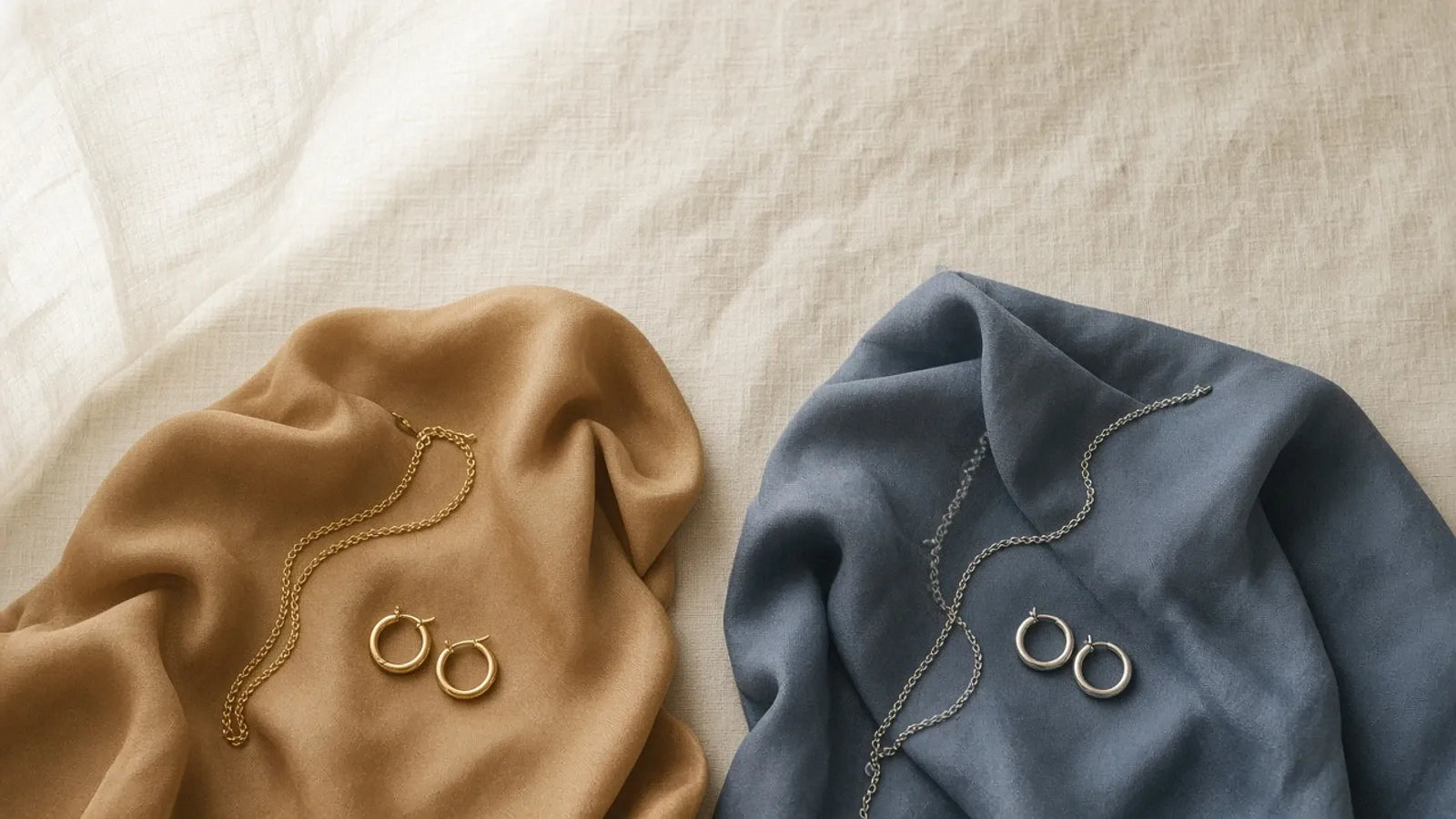
Am I gold or silver? The undertone test, explained
Three quick tests — veins, jewelry, and white vs cream — plus the seasonal metal map, mixed-metal rules, and what to do with inherited pieces.
Jan 12, 2026
The 8 neutrals every palette needs
All 60 neutrals in the Color System were counted. Only two colors repeat in five seasons. The eight neutral roles worth buying, and the black almost nobody should own.
Nov 4, 2026