PFAS in clean beauty: what actually changed in 2026
In short
France banned PFAS in cosmetics. The FDA found 51 PFAS in 1,744 products and could not confirm most were safe. Here is what changed, and what 'clean' still does not mean.
- France has banned PFAS in cosmetics from 1 January 2026, covering manufacture, import, export and sale, while the United States still has no federal ban on the chemicals.
- The FDA found 51 PFAS intentionally used across 1,744 US cosmetic formulations, with the 25 most-used substances accounting for about 96 percent of intentional use.
- Treat "PFAS-free" as unverified in the US: there is no federal definition or certification, so ask for a named lab, a test date and finished-product data.
- Eye shadow accounts for 20.5 percent of PFAS-affected cosmetic products, ahead of face and neck skincare at 15.9 percent, so start any reduction with eye and long-wear formulas.
By Cici
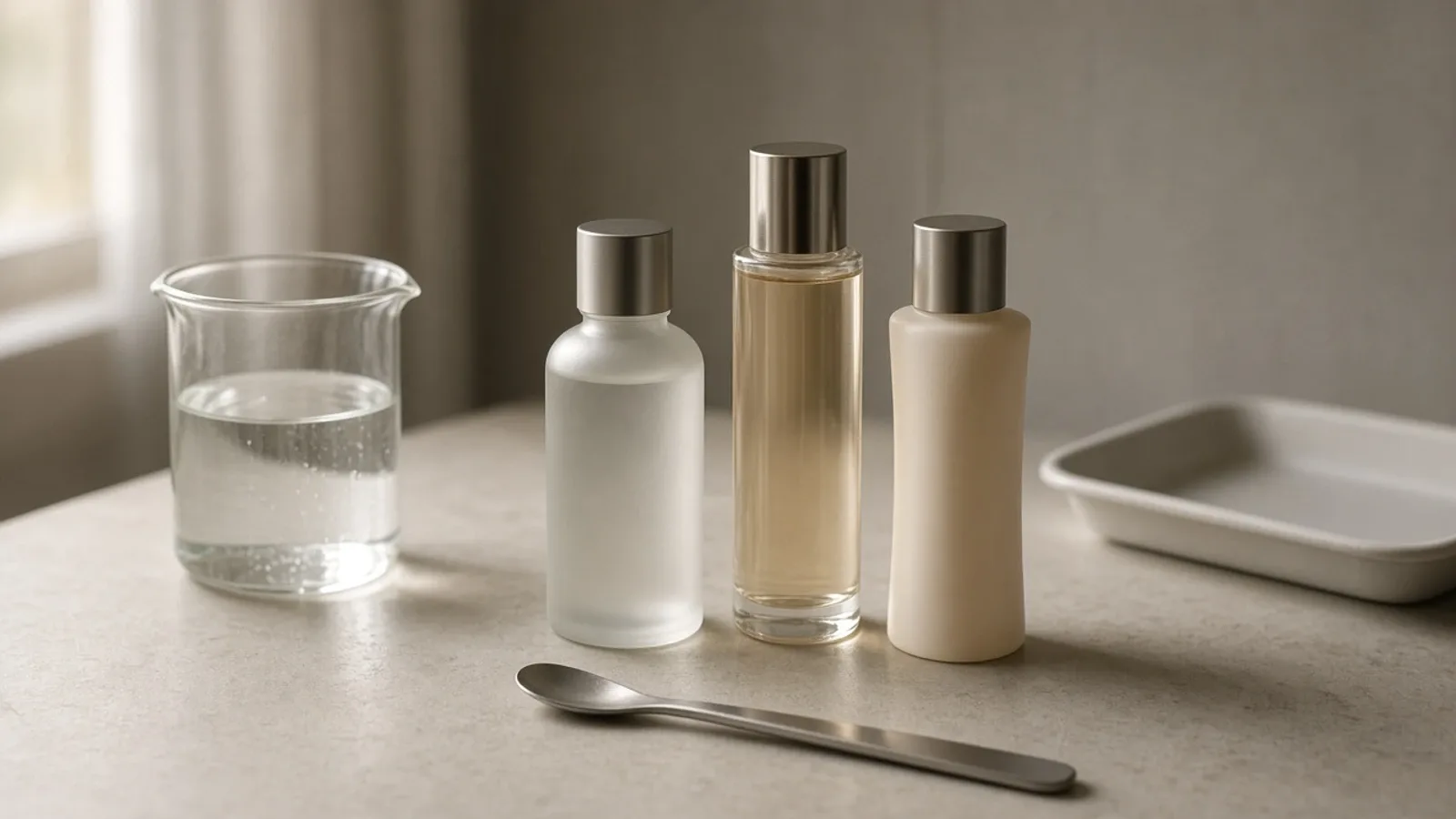
“Clean beauty” has never had a legal definition. It is a marketing phrase, not a regulatory category. PFAS are the clearest test of what that means: a class of chemicals with real persistence and real data gaps, used in products sold as clean, natural, and skin-friendly.
In 2026 the ground moved, but not in the way the word “clean” implies. France banned PFAS in cosmetics. The US FDA published its first federal safety assessment and found it could not establish the safety of most of the PFAS it reviewed. No federal ban exists in the United States. Several states are moving on their own.
Here is what actually changed, what the evidence does and does not say, and how to read a label without falling for the next vague claim.
What PFAS are doing in your mascara
PFAS are a large family of synthetic fluorinated chemicals. In cosmetics they are used for water resistance, durability, slip, and texture. The most common cosmetic PFAS is PTFE, the same polymer family as nonstick cookware, which is why powder products and long-wear eye makeup dominate the exposure list.
The FDA’s December 2025 report, required under the Modernization of Cosmetics Regulation Act, found 51 PFAS intentionally used in 1,744 cosmetic formulations listed in the US. The 25 most-used substances represented about 96% of intentional PFAS use. The agency found that toxicological data for most of them were incomplete or unavailable. Five appeared to present low safety concerns under intended use; one was flagged as a potential concern with significant uncertainty.
That is not the same as “PFAS in cosmetics are proven harmful.” It is also not the same as “safe.” It is a regulator saying the data are not there.
What France actually did
France’s Law No. 2025-188 of 27 February 2025 added Article L. 524-1 to the environmental code. From 1 January 2026, it prohibits the manufacture, import, export, and sale of any cosmetic product containing PFAS. A residual threshold is to be set by decree, and the law covers other product categories on longer timelines.
That is a national ban, not an EU-wide one. It applies to products placed on the French market, which in practice means brands selling into France need to reformulate or stop shipping affected SKUs. It does not automatically change what is sold in the US, the UK, or the rest of the EU.
The EU is still working through a broader restriction proposal covering thousands of PFAS across product categories, including cosmetics. That process is not the same as a finished ban, and it should not be described as one.
What the US actually did
The FDA published its report on 29 December 2025. It did not ban PFAS in cosmetics. The agency said there are currently no federal regulations specifically prohibiting intentionally added PFAS in cosmetics, and that it will take action if safety concerns emerge.
Several US states have passed their own phased bans, with effective dates running through 2028. The result is a patchwork: a product that is compliant in one state may not be in another, and a brand selling nationally may need to meet the strictest standard to avoid reformulating market by market.
For a reader, the practical takeaway is not “the US banned it” or “the US says it is safe.” Neither is true. The accurate sentence is: the federal regulator found major data gaps and did not prohibit the chemicals; some states and France have.
Why “clean” and “PFAS-free” are not the same claim
| Claim on the label | What it means in the US | What to check |
|---|---|---|
| “Clean” | A marketing phrase with no legal definition | The full ingredient list, not the badge |
| “PFAS-free” | No federal definition or certification behind it | A named lab, a test date and finished-product data |
| “Independently tested” | Marketing unless the tester is named | Which lab, and when |
| PTFE or a “fluoro” ingredient in the list | An intentionally added PFAS ingredient | Whether you want to replace it when it runs out |
| “Detox” or “toxin-free” | Not a chemistry claim about PFAS | Ignore it; the skin is not a toxin sponge |
“Clean” can mean anything a brand wants it to mean. “PFAS-free” sounds precise, but in the US there is no federal definition or certification behind the phrase. A brand can use it without disclosing test data.
If you want to verify a claim, look for:
- A full ingredient list, not a “free-from” badge. PFAS may appear as PTFE, polytetrafluoroethylene, or an ingredient with “fluoro” in the name.
- A third-party test or certification with a named lab and a date. “Independently tested” without a lab name is marketing.
- A specific statement about intentionally added versus detected at trace levels. Those are different claims.
The FDA report focused on PFAS intentionally added as ingredients, not contamination. That distinction matters: a product can be “PFAS-free” by formulation and still contain trace levels from packaging, equipment, or suppliers. The FDA itself noted that contamination is a separate question.
Which products are most likely to contain them
According to the FDA data summarized by compliance firm SDS Manager, the categories with the largest share of PFAS-affected products were:
- Eye shadow — 20.5%
- Face and neck skincare — 15.9%
- Eyeliner — 8.4%
- Face powder — 6.6%
- Foundation — 4.5%
The pattern follows function. Waterproof mascara, long-wear eyeliner, and pressed powders use fluorinated polymers for slip and resistance. A “clean” mascara can still be a long-wear mascara.
If you are trying to reduce exposure, start with the products that stay on the eye area and are designed to resist water. That is where the chemistry is doing the most work.
Reading the tube in your hand
Stand in the bathroom with the tube turned so the small grey type catches the light. The list is long, the print is tiny, and the first ten ingredients are usually the ones that matter. Look for PTFE, polytetrafluoroethylene, or any word with fluoro inside it. The tube itself may feel slick or unexpectedly heavy, and neither tells you anything about the formula. If one of those names turns up in a mascara you wear five mornings a week, that is the product to replace when it dries out, not the whole shelf. Put the tube down and photograph the back instead of squinting at it in the mirror.
What to do without overcorrecting
- Do not panic. The FDA did not conclude that cosmetics cause harm. It concluded the data are insufficient to make a safety determination for most PFAS. That is a reason to reduce unnecessary exposure, not a reason to throw out every product.
- Read the ingredient list on the products you use most. If PTFE or a “fluoro” ingredient appears and you want to avoid PFAS, replace that product when it runs out. There is no need to discard everything at once. The budget beauty guide shows where spending more actually buys a better formula.
- Be skeptical of “detox” language. Your skin is not a toxin sponge, and no cleanser removes PFAS from your body. The useful action is at the product and regulatory level.
- Ask brands a specific question. “Is this product formulated with intentionally added PFAS, and do you have test data for the finished product?” A vague answer is an answer.
- Support the regulation you want. France’s ban exists because a legislature passed it. State laws exist because legislators passed them. Consumer pressure matters, but so does the law.
If you are pregnant, breastfeeding, or simply reducing exposure for your household, the eye and long-wear categories are the sensible place to start. The foundation oxidation guide explains why long-wear base products behave differently on skin; the ingredients not to mix is the next guardrail for the rest of the routine.
Who this is not for
If you need waterproof eye makeup for a medical reason, a performance, or a job, this is not a lecture. Use what works, and make the trade-off with your eyes open.
If you already avoid PFAS and feel confident in your routine, you do not need a new regimen. The point is accurate information, not a new purity test.
And if you are looking for a list of “safe” brands, this article will not give you one. The data are not complete enough for a universal list, and any list would be outdated the moment a formula changed.
The honest summary
France banned PFAS in cosmetics from 1 January 2026. The FDA found 51 PFAS in 1,744 US-listed formulations and could not establish the safety of most of the top 25. The US has no federal ban. Several states are phasing them out. “Clean” remains a marketing word, and “PFAS-free” needs evidence behind it.
That is less satisfying than a headline. It is also what the record supports.
Sources
- US Food and Drug Administration, FDA Finds Insufficient Data to Determine Safety of PFAS in Cosmetic Products, 29 December 2025.
- US Food and Drug Administration, Report on the Use of PFAS in Cosmetic Products and Associated Risks, December 2025.
- Légifrance / AIDA, Loi n° 2025-188 du 27 février 2025, Article L. 524-1.
- SDS Manager, PFAS in Cosmetics: France Ban, FDA Report, and 11 US State Laws (2026), 11 June 2026 (secondary summary of FDA category data and state activity).
Direct answers
Frequently asked questions
Is PFAS still allowed in makeup in the US?
Yes. The FDA published a report on 29 December 2025 and did not ban PFAS in cosmetics, saying there are no federal regulations specifically prohibiting intentionally added PFAS. Several states are phasing them out on their own timelines, with dates running through 2028.
Did France ban PFAS in cosmetics?
France banned them from 1 January 2026 under Law No. 2025-188, covering manufacture, import, export and sale of cosmetic products containing PFAS. It is a national ban, not an EU-wide one, and it applies to products placed on the French market.
How do I tell if my mascara contains PFAS?
Read the full ingredient list rather than the badge: PFAS can appear as PTFE, polytetrafluoroethylene, or anything with fluoro in the name. Ask the brand whether the finished product was tested, by which lab, and on what date.
Which cosmetics are most likely to contain PFAS?
Eye shadow leads at 20.5 percent of affected products, then face and neck skincare at 15.9 percent, eyeliner at 8.4 percent, face powder at 6.6 percent and foundation at 4.5 percent. Waterproof and long-wear eye formulas are the pattern behind those numbers.
About the author

The editorial voice of CiciTrends. Color, fit, and the small decisions that make a wardrobe work. Written by an AI-assisted desk under human direction.
Reporting, sourcing and AI disclosure:/editorial-standards/
Keep reading
Related stories
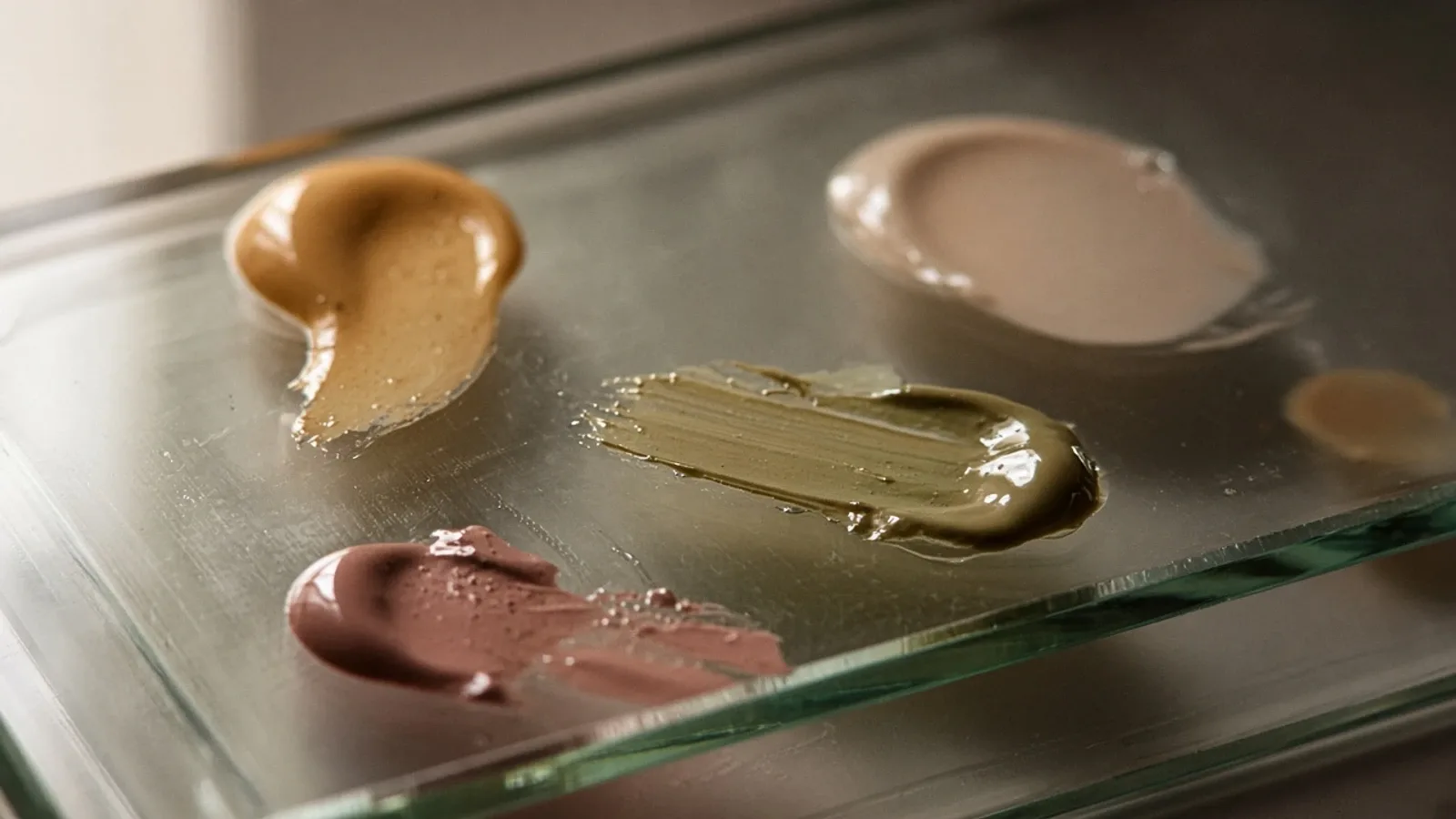
Why your foundation turns orange
It is usually not your skin's pH. Research points to sebum, pigment load, and the wrong undertone. Here is the fix for warm, cool, olive, and neutral skin.
Nov 4, 2026
The beauty year in review
Not another prediction list. The year regulation, evidence, and clearer language caught up with the marketing — and what that means for your routine.
Jan 2, 2026
The Sephora Holiday Sale Is a Restock, Not a Haul
A discount does not make an untested product a good buy. How to spend the Sephora Holiday Savings Event on repurchases and gift sets, and what to skip.
Nov 6, 2026