A corner of your home that is yours
In short
You do not need a room. A chair, a lamp, a surface, and a boundary can make a small space that restores you — even in a shared home.
- A workable corner needs four things: a chair with a back you would sit in for twenty minutes, a warm lamp rather than the overhead, a side table or tray, and a boundary.
- The boundary matters more than the decor: a rug, screen or plant, plus the rule that the chair is not a shelf, keeps the corner from becoming household storage.
- Reset the corner in five minutes once a week: clear the surface, fold the throw, water the plant, return the basket, then sit in it for one minute to check it still works.
By Cici
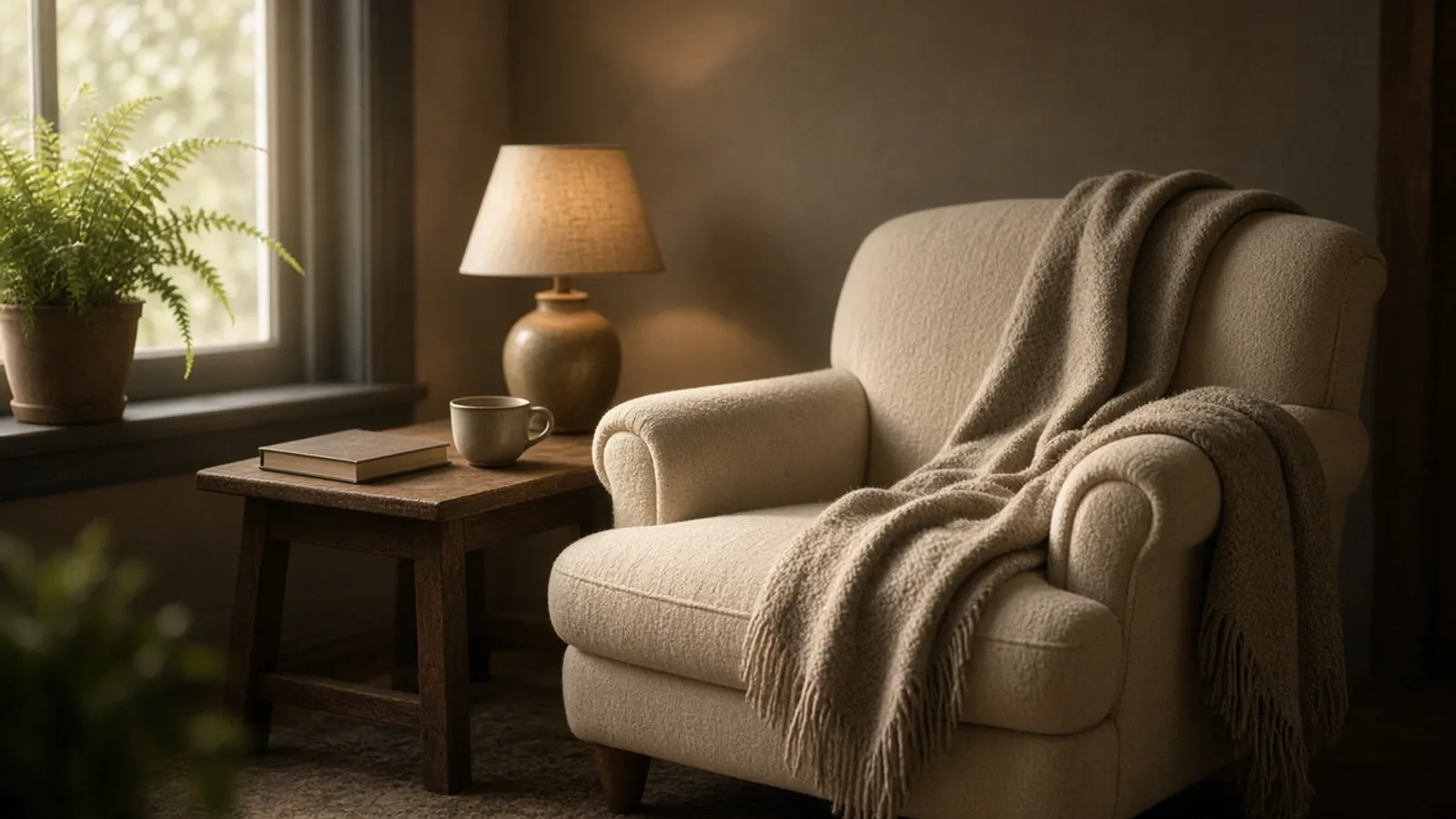
You do not need a room of your own. You need a corner that is not also the laundry pile, the toy storage, or the place where the mail goes to die.
A personal corner is a small environmental cue: this is where you sit, this is where you read, this is where you are not on call. The boundary does more work than the decor.
Why a corner works
- It is small enough to exist in a shared home.
- It is a cue. The chair and lamp signal “pause” without a calendar entry.
- It is affordable. You probably own most of what you need.
- It is maintainable. A corner can be reset in five minutes.
The point is not a showroom. It is a place you will actually use.
The four elements
| Element | What to use | What it must do |
|---|---|---|
| Seat | A chair with a back | Comfortable for twenty minutes |
| Light | A warm lamp, not the overhead | Warm rather than harsh |
| Surface | A side table or tray | Holds a cup, book or notebook |
| Boundary | A rug, screen, plant or a rule | Stops the corner becoming storage |
- A seat. Comfortable, with a back. A chair you would sit in for twenty minutes.
- A light. A lamp, not the overhead. Warm, not harsh.
- A surface. A side table or tray for a cup, a book, a notebook.
- A boundary. A rug, a screen, a plant, or a rule: this corner is not storage.
If the corner has no boundary, it becomes part of the room’s traffic and clutter. The boundary can be visual or behavioral; it does not need to be a wall.
Where to put it
- A bedroom corner near a window.
- The end of a sofa with a side table and a lamp.
- A landing or hallway wide enough for a chair.
- A balcony or porch with a weatherproof seat.
- A shared room with a screen or a bookshelf as a divider.
The best corner is the one you walk past and want to sit in. If it is in a room you never enter, it will not be used.
The budget version
- Use what you own. Move a chair, a lamp, and a side table from another room.
- A tray can turn any surface into a defined area.
- A cushion changes the comfort of a hard chair.
- A throw adds warmth and color.
- A plant adds a visual boundary.
- A small basket holds the essentials and keeps the surface clear.
You do not need a designer. You need a chair you like and a rule that the corner is not storage.
The household boundary
If you share the home with children or a partner, the corner needs a light social contract:
- Ask for twenty minutes without interruption, and offer the same to them.
- Do not make the corner the family dumping ground. A basket for toys is fine; the chair is not a shelf.
- Reset it weekly. The Sunday reset is the natural anchor.
- Keep it small. A corner that takes over the room becomes a source of conflict.
The first evening
The first evening is the test. Carry a cup of tea over, sit down, and stay for ten minutes without your phone. The steam fogs the window and the lamp throws a small pool of warm light on the shelf. You will notice things standing up cannot show you: the shade is a hand’s width too far to reach, the cushion has gone flat, the arm of the chair sits exactly where your elbow wants to rest. Fix one thing before you leave. Move the lamp closer, turn the chair five degrees toward the window, put the book on the shelf instead of the floor. A corner that survives its first evening gets used on the second. One that is only arranged, never sat in, becomes storage by Friday, and you will feel quietly annoyed every time you walk past it.
What not to do
- Do not buy a whole furniture set before you sit in the corner. Start with what you have.
- Do not put a desk in it if you will only work. A work corner is not a rest corner.
- Do not use it for storage. The chair is not a closet.
- Do not make it a project. A corner that needs a renovation is not a corner.
- Do not wait for the perfect home. Use the one you have.
The five-minute reset
A corner only works if it is usable. Once a week, reset it:
- Clear the surface. Cup, mail, and stray toys go where they belong.
- Fold the throw. A folded throw looks intentional; a crumpled one looks like laundry.
- Water the plant or dust the lamp.
- Put the basket back. The basket is for essentials, not overflow.
- Sit in it for one minute. If you do not want to sit there, change something. The corner is not a reward for finishing everything. It is a place to stop, even when nothing is finished.
The reset is the same logic as the self-care on a budget guide: small, repeatable actions beat a big overhaul. The digital detox guide is the companion rule for keeping the phone out of the corner.
Who this is not for
If you already have a room or a studio, you do not need a corner. If your home has no space at all, a library, a café, or a park bench can serve the same function; the boundary is the point, not the address.
And if you do not want a solitary space, that is fine. The goal is restoration, not a mandatory retreat.
Method and limits
This is a home design guide derived from the CiciTrends self-care and routine principles. The wellbeing context is supported by the APA’s self-care guidance; the specific setup is editorial judgment.
Sources
- American Psychological Association. Self-care.
Direct answers
Frequently asked questions
How do I make a personal space in a small home?
Use a corner, not a room. A comfortable chair, a lamp, a small table, and one rule that the corner is not storage. The boundary matters more than the square footage.
What makes a corner restorative?
Comfort, light, a surface for a cup or book, and a visual boundary. A screen-free corner with a soft light and a comfortable seat does more than a decorated corner you never sit in.
How do I keep the corner from becoming clutter?
Give everything in it a job. If the chair holds laundry or the table holds mail, the corner is storage, not a retreat. One basket for essentials and a weekly reset is enough.
Do I need to spend money?
No. Use a chair you already own, a lamp from another room, and a tray or side table. The point is a boundary and a habit, not a new furniture set.
About the author

The editorial voice of CiciTrends. Color, fit, and the small decisions that make a wardrobe work. Written by an AI-assisted desk under human direction.
Reporting, sourcing and AI disclosure:/editorial-standards/
Keep reading
Related stories
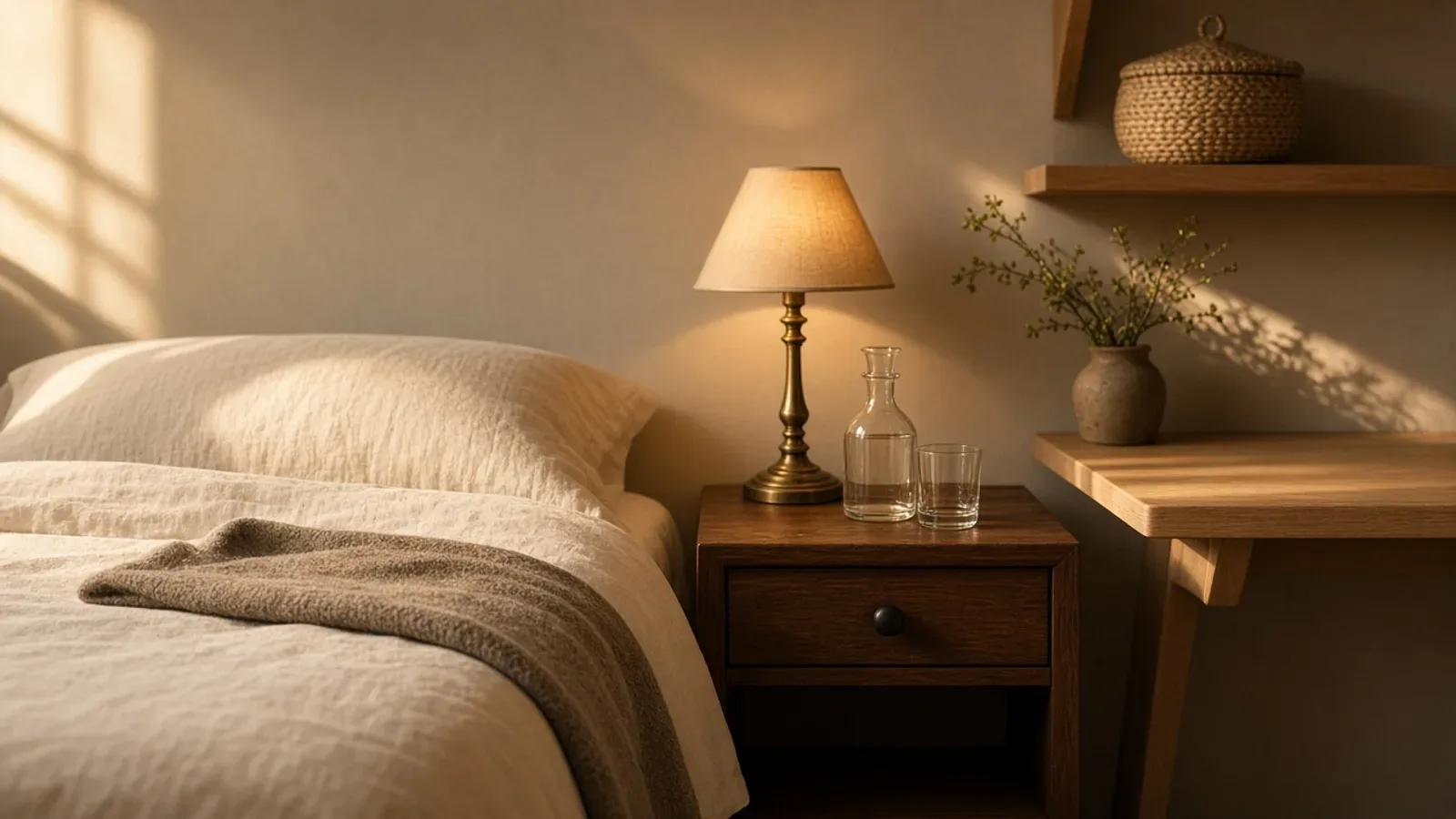
Guest room setup: four items that actually sleep
A guest room fails at sleep, not decor. The four-item standard (two pillows, a reachable lamp, a suitcase surface, water) for a spare room that is also your office.
Nov 10, 2026
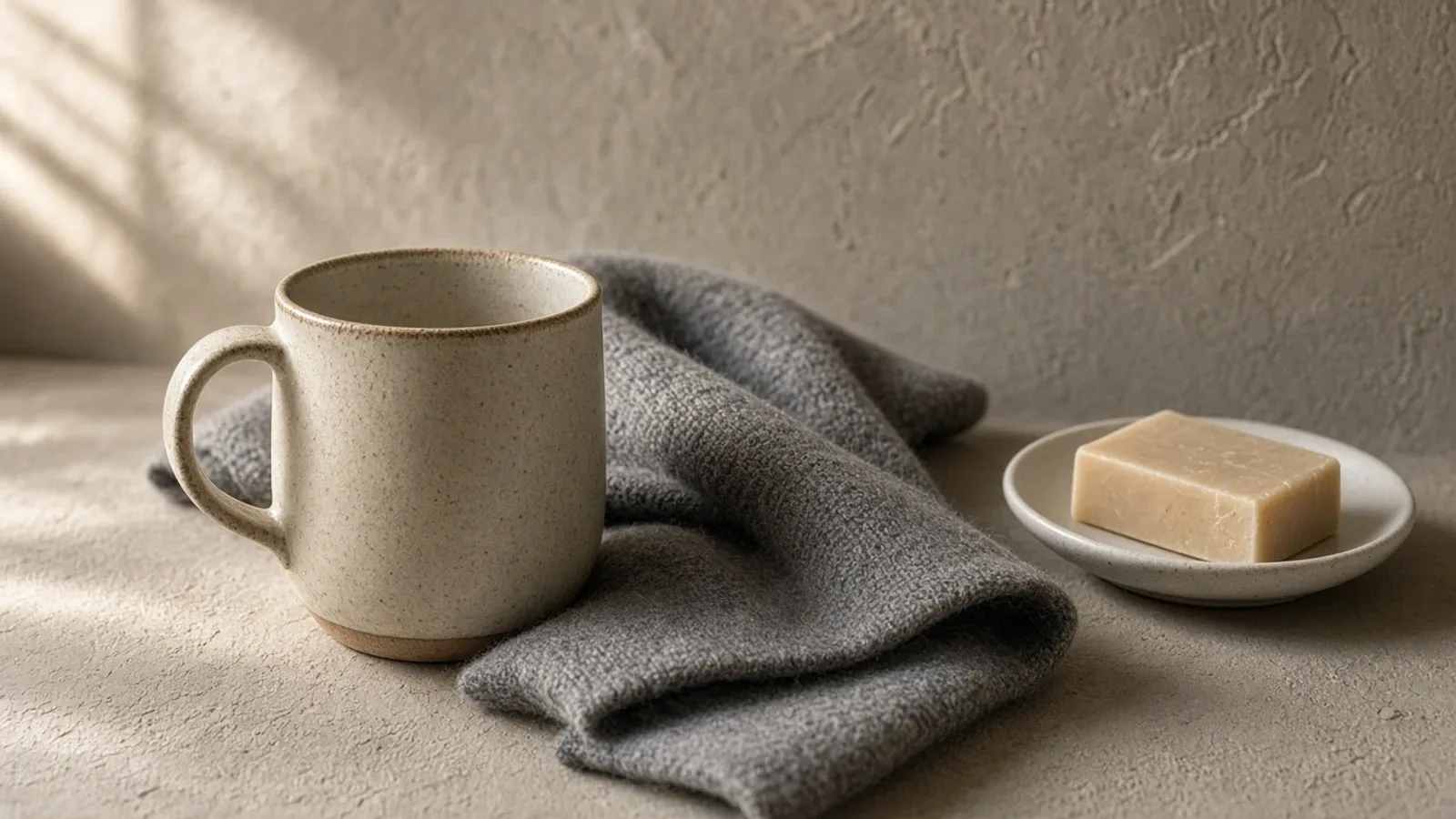
The $50 Rule: Gifts That Read Expensive Because They Get Used
Most gifts under $50 fail because they're novelties. Spend the budget on one daily object — a better mug, a better cream — and skip what needs explaining.
Nov 5, 2026

Hosting brunch without the performance
A low-stress brunch is a menu you can make ahead, a table that does not need a stylist, and a host who sits down. The plan, the food safety, and the exit.
Jan 3, 2026